 Know
Know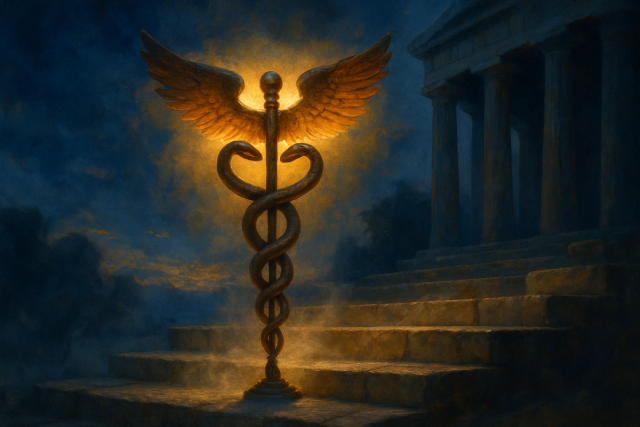
Symbols
Caduceus Meaning: History of the Winged Staff Symbol
Discover the caduceus meaning: Hermes' winged staff of two serpents, its Greek origins, medical mix-up with Asclepius, and spiritu…
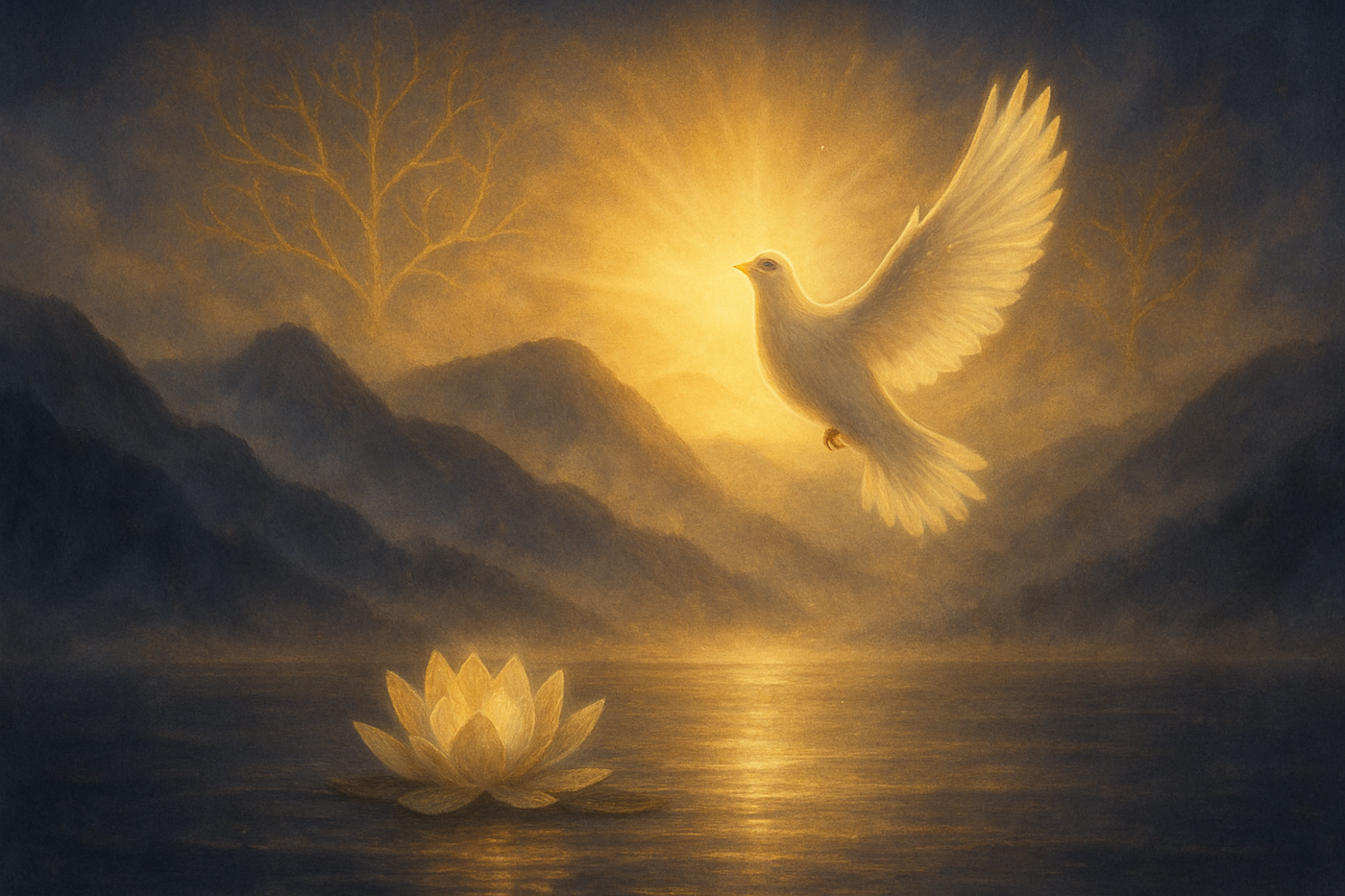
Symbols of hope are images, objects, and figures that represent optimism, renewal, and the belief that better days lie ahead. Common examples include the anchor, the dove, the rainbow, the lotus flower, the phoenix, and the Christian cross, each drawn from different cultures, faiths, and traditions. These emblems endure across generations because they translate an abstract feeling — hope — into something tangible we can wear, display, or picture in our minds during difficult times. Below, we explore 24 of the most meaningful symbols of hope, from everyday icons to ancient spiritual emblems, and what each one truly means.
| Symbol | Origin / Culture | Core Meaning |
| Anchor | Early Christianity, maritime tradition | Steadfastness, safety, hope through hardship |
| Rainbow | Global, biblical (Noah’s Ark) | Promise, renewal after the storm |
| Butterfly | Global folklore | Transformation, rebirth, hope for change |
| Four-Leaf Clover | Celtic/Irish tradition | Luck, faith, hope, love, rare fortune |
| Olive Branch | Ancient Greece, biblical tradition | Peace, hope for reconciliation |
| Christian Cross | Christianity | Resurrection, redemption, renewed hope |
| Lotus | Hinduism, Buddhism | Purity, enlightenment, hope for rebirth |
| Rising Phoenix | Greek & Egyptian mythology | Rebirth from destruction, resilience |
| Dove | Global, biblical tradition | Peace, hope, new beginnings |
| Tree of Life | Multiple world traditions | Growth, interconnection, hope for renewal |
As we delve deeper into the essence of each symbol, we invite you to embark on a journey of hope and inspiration. Let us explore the profound narratives and meanings encapsulated in these symbols, fostering a sense of hope and positivity in our lives.
While ancient and spiritual emblems carry deep esoteric meaning, some of the most powerful symbols of hope are ones we encounter every day — on jewelry, in nature, and in common expressions. These accessible icons resonate widely because their meaning is instantly recognizable, even to those unfamiliar with mythology or religious history.
The anchor is one of the oldest and most enduring symbols of hope, tracing back to early Christian communities who used it as a discreet emblem of faith and steadfastness during times of persecution. Just as an anchor keeps a ship steady through turbulent seas, it represents the stability that hope provides when life feels uncertain. Sailors and coastal communities have long carried the anchor as a personal talisman, a reminder to stay grounded even when circumstances toss us about.
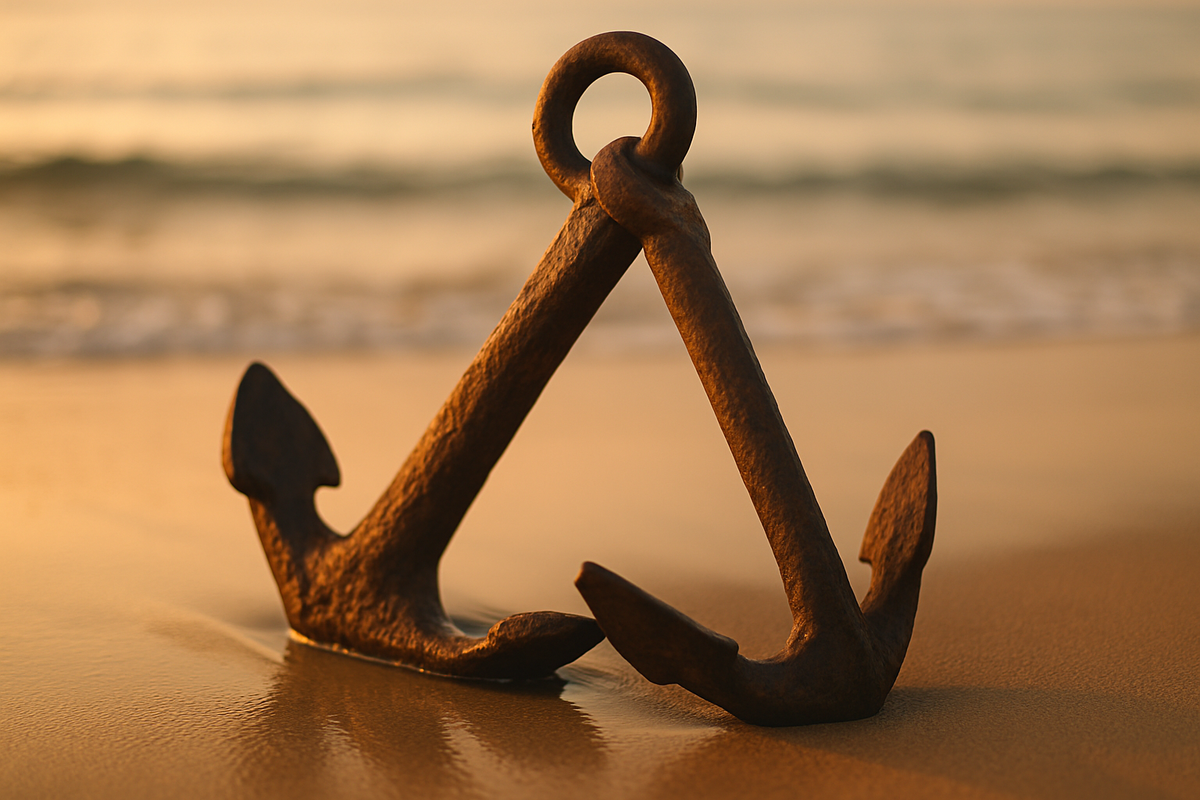
Today, the anchor remains a popular tattoo and jewelry motif precisely because it distills a complex feeling into a simple, recognizable shape: hope as something you can hold onto, no matter how rough the waters become.
Few images say "hope" as instantly as a rainbow arching across a clearing sky. Rooted in the biblical story of Noah, where it appeared as a divine promise that devastation would not repeat, the rainbow has since become a near-universal symbol of renewal after adversity. It reminds us that storms are temporary, and that light, color, and beauty follow even the darkest weather.
The butterfly's remarkable metamorphosis — from a humble caterpillar into a winged, radiant creature — makes it a natural symbol of hope and transformation. Many cultures view the butterfly as proof that painful, confining stages of life are simply preludes to something more beautiful. It is often used to memorialize loved ones, offering hope that transformation continues even after loss.
Rooted in Celtic and Irish tradition, the four-leaf clover is prized for its rarity, with each leaf traditionally said to represent faith, hope, love, and luck. Finding one amid a field of ordinary three-leaf clovers is seen as a small, tangible sign that fortune — and hope — can appear unexpectedly.
The olive branch has symbolized peace and hope since antiquity, appearing in Greek mythology, Roman victory customs, and the biblical story of the dove returning to Noah's Ark with an olive leaf. Extending an olive branch has come to mean offering reconciliation, and by extension, hope for restored harmony between people or nations.
For millions of believers, the Christian cross is the ultimate symbol of hope, representing the resurrection of Jesus Christ and the promise of renewed life beyond suffering. What began as an instrument of execution was transformed, through the resurrection narrative, into an emblem of victory over death — a message that pain and darkness are never the final word. Variations of the cross, from the Celtic cross to the Jerusalem cross, carry their own regional nuances while sharing this core message of redemptive hope. To explore the many forms this symbol takes, see our full guide to the different types of crosses, as well as our overview of Catholic symbols for deeper context on how the cross fits within broader Christian iconography.
In the annals of history, certain symbols have stood as potent icons of healing and hope. These ancient emblems, deeply rooted in the medical and spiritual realms, continue to inspire and guide humanity. Let us delve into the profound meanings and histories behind the Caduceus and the Rod of Asclepius, two symbols that have been a beacon of hope for centuries.
The Caduceus, a symbol often associated with medicine and healing, features a staff entwined by two serpents, crowned with wings at its top. This ancient symbol traces its origins to the Greek god Hermes, the messenger of the gods and the patron of commerce and negotiation. Despite its modern association with the medical field, its original implications were more aligned with balance, duality, and harmony, embodying the intertwining realms of the spiritual and the physical.
Over time, the Caduceus has come to symbolize healing and rejuvenation, offering a beacon of hope for those seeking solace and recovery. Its dual serpents represent the delicate balance of life, encouraging us to harmonize our physical and spiritual selves in the pursuit of holistic well-being.
In the embrace of the Caduceus, we find a symbol of hope, a reminder of the ancient wisdom that guides us towards healing and transformation.
The Rod of Asclepius, distinguished from the Caduceus by its singular serpent encircling a staff, holds a prominent place in the medical field as a symbol of healing and medicine. This symbol finds its roots in Greek mythology, where Asclepius, the god of medicine, wielded this rod to heal and to bring hope to the ailing.
Throughout history, the Rod of Asclepius has stood as a beacon of hope, embodying the healer’s art. The serpent, a creature that rejuvenates itself by shedding its skin, symbolizes renewal and regeneration, offering a potent representation of the healing process.
In the modern world, this symbol continues to inspire medical professionals and healers, guiding them in their noble pursuit of alleviating suffering and bringing hope to those in need.
With the Rod of Asclepius in hand, we venture forth into a world of healing, where hope blossoms in the hearts of those touched by its nurturing energies.
As we explore these ancient symbols, we find ourselves connected to a rich tapestry of history and wisdom, where hope has always found a way to flourish, guiding us towards a brighter, healthier future.
In the spiritual realm, symbols often serve as bridges connecting the material world with the deeper, unseen layers of existence. These symbols, revered across various cultures, embody the essence of balance, harmony, and hope. Let us explore the profound depths of some of these spiritual symbols that have been lighting the path of hope for centuries.
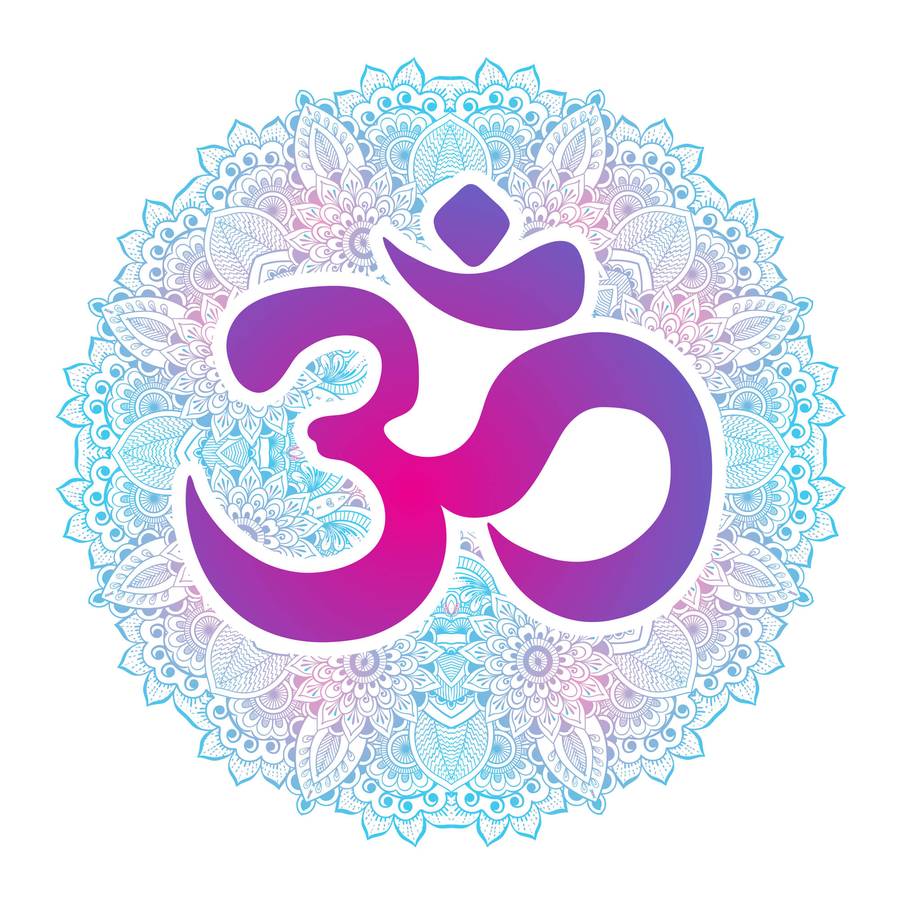
The Om symbol, a sacred sound and spiritual icon in Indian religions, is a representation of the universe’s essence. It is believed to encompass all words, all sounds, and all languages, signifying the universe’s creation and its potential for transformation and growth. The chanting of “Om” is said to bring inner peace, balance, and a connection to the cosmic energies, fostering a sense of hope and spiritual enlightenment.
The Lotus flower, revered in various cultures, particularly in Hinduism and Buddhism, is a symbol of purity, enlightenment, and rebirth. Its growth from the mud to the water’s surface to bloom in remarkable beauty signifies spiritual emergence and the hope of transformation and new beginnings.
The Dharma Wheel, also known as the Dharmachakra, is a vital symbol in Indian religions, representing the cycle of birth, life, death, rebirth, or reincarnation. It embodies the Buddha’s teachings and the path to enlightenment, offering hope for liberation and a harmonious existence.
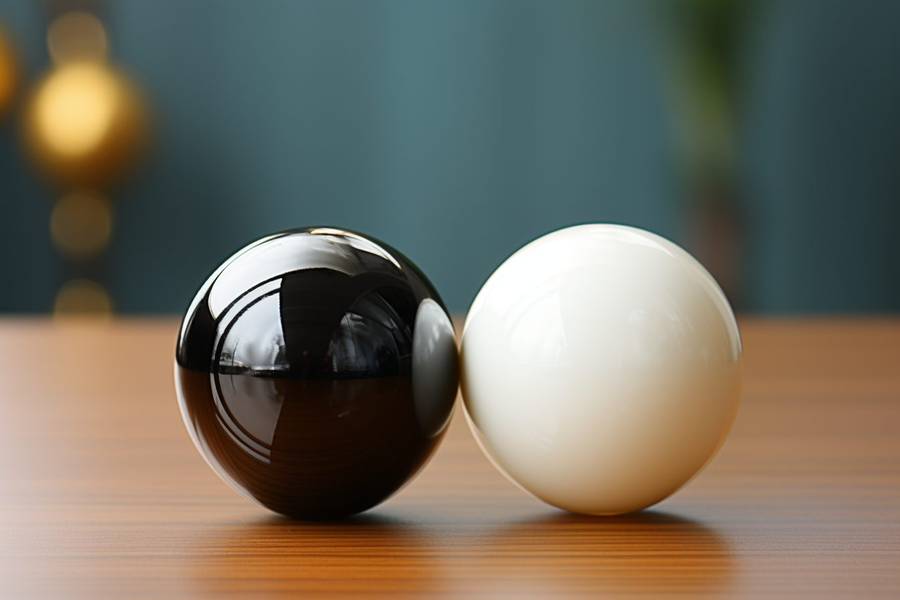
The Yin Yang, a fundamental symbol in Chinese philosophy, embodies the principle of dualism, illustrating the interdependence of opposite forces in the universe. It signifies the harmonious balance between contrasting elements, fostering a sense of hope that even in the face of adversity, there is a complementary force working to restore balance and harmony.
As we explore these symbols, it becomes evident that they serve not just as representations but as powerful tools fostering hope, balance, and a deeper connection to the universe’s intricate web of life.In the grand tapestry of existence, symbols that represent life and creation hold a special place. They are the foundations upon which hope builds, offering a glimpse into the intricate connections and cycles that govern the universe. Let’s delve into the profound meanings and the hopeful messages conveyed by the Tree of Life and the Flower of Life.
The Tree of Life is a universal symbol found in various cultural and spiritual traditions. It represents the interconnectedness of all life forms, illustrating the cycle of life, death, and rebirth. The tree, with its roots deeply embedded in the earth and branches reaching towards the sky, signifies growth, evolution, and the eternal cycle of life and renewal. It instills hope by reminding us of the potential for rebirth and new beginnings, even in the face of adversity.
The Flower of Life, a geometric figure made up of multiple evenly-spaced, overlapping circles, is thought to represent the cycle of creation, encompassing life, death, and rebirth. This ancient symbol is found in various cultures and is often associated with the fabric of the universe, illustrating the interconnectedness of all life and the harmonious patterns that govern existence. It serves as a beacon of hope, symbolizing the infinite possibilities of creation and the potential for personal and collective growth.
Through these symbols, we are reminded of the intricate dance of creation and the hopeful message that life, in its various forms, continues in a harmonious cycle of growth and renewal.In the mystical realms of alchemy and magic, symbols serve as powerful tools to channel energies and manifest intentions. These symbols, steeped in ancient wisdom, carry the vibrational frequencies of hope, healing, and transformation. Let us explore the profound meaning behind Abracadabra / Magical Alchemy, and how it fosters hope and positivity.
The phrase Abracadabra, often used in magical incantations, has roots in ancient traditions. It is believed to have the power to manifest one’s desires and bring about positive change. In the context of alchemy, it represents the transformation of base materials into something precious, symbolizing the potential for transformation and the hope for a brighter future. This magical phrase encapsulates the belief in the possibility of change and the hope that springs from the mysteries of the universe.
This mystical symbol, deeply rooted in ancient tradition, serves as a beacon of hope, guiding us towards transformation and the realization of our true potential.Fire, in various cultures and philosophies, has always been a potent symbol of transformation, purification, and renewal. It embodies the fervent hope that from the ashes of the old, the new shall rise, vibrant and renewed. In this section, we delve into the profound meanings and the hopeful messages conveyed through the symbols of Fire and the Rising Phoenix.
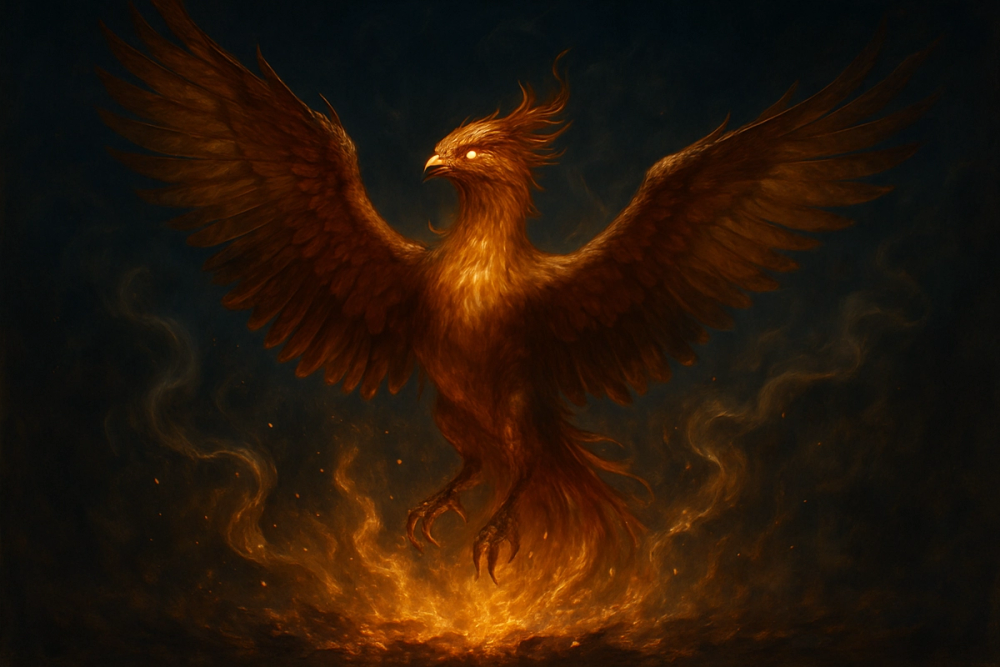
The element of fire is often associated with transformation and purification. It represents the burning away of the old to make way for the new, symbolizing hope and renewal. In various cultures, fire ceremonies are conducted to release old energies and invite new, positive vibrations, fostering a sense of hope and a fresh start.
The Rising Phoenix, a mythical bird that rises from its ashes, is a powerful symbol of rebirth and renewal. It embodies the hope that even after facing trials and tribulations, one can rise again, stronger and more vibrant than before. This symbol serves as a beacon of hope, encouraging individuals to embrace the transformative power of fire and to rise anew with renewed vigor and passion.
Through these fiery symbols, we are reminded of the transformative power of fire and the hope that it brings, igniting the flames of passion, renewal, and positive change in our lives.In the embrace of nature, we often find solace and hope. The symbols rooted in the earth and its magnificent creations often serve as gentle reminders of the resilience, beauty, and harmony that exists in the world. In this section, we explore the symbols of Onyx, Dove, Plants, and the First Nations Medicine Wheel, each holding a unique message of hope and connection to the earth.
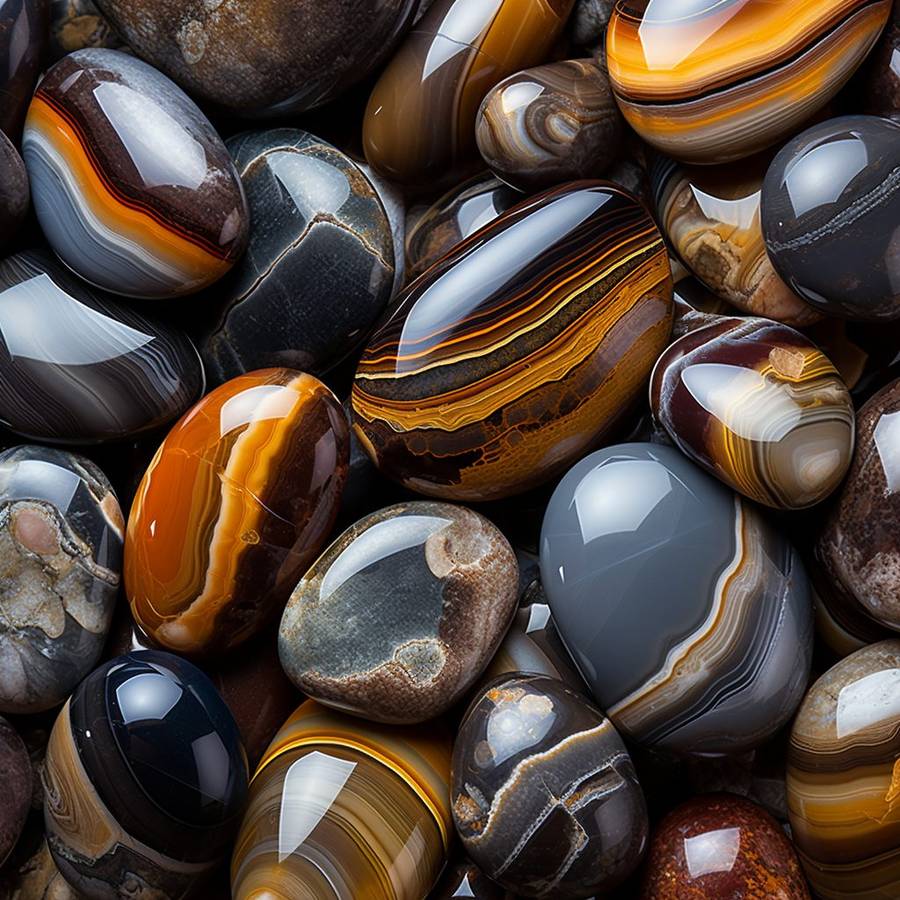
The Onyx stone, with its deep black hue, is a powerful symbol of protection and strength. In crystal-healing tradition, onyx is believed to absorb negative energies, though this is not supported by any scientific evidence. In various cultures, it is seen as a stone of hope, helping individuals to navigate through challenges with resilience and determination, fostering a hopeful outlook towards the future.
The diverse world of plants, with their growth and blooming cycles, symbolizes hope and renewal. From the tiny seeds sprouting into lush plants to the blossoms that bring beauty and fragrance, plants remind us of the continuous cycle of life, growth, and rebirth. They encourage us to nurture hope, just as we nurture them, fostering a deep connection with the earth and its nurturing qualities.
The First Nations Medicine Wheel, a sacred symbol used by Indigenous peoples, represents the interconnectedness of all aspects of existence – physical, emotional, mental, and spiritual. It embodies the hope for balance and harmony in one’s life and the world. Through this symbol, individuals are encouraged to seek holistic well-being, fostering a hopeful perspective that embraces the unity and harmony of all life forms.
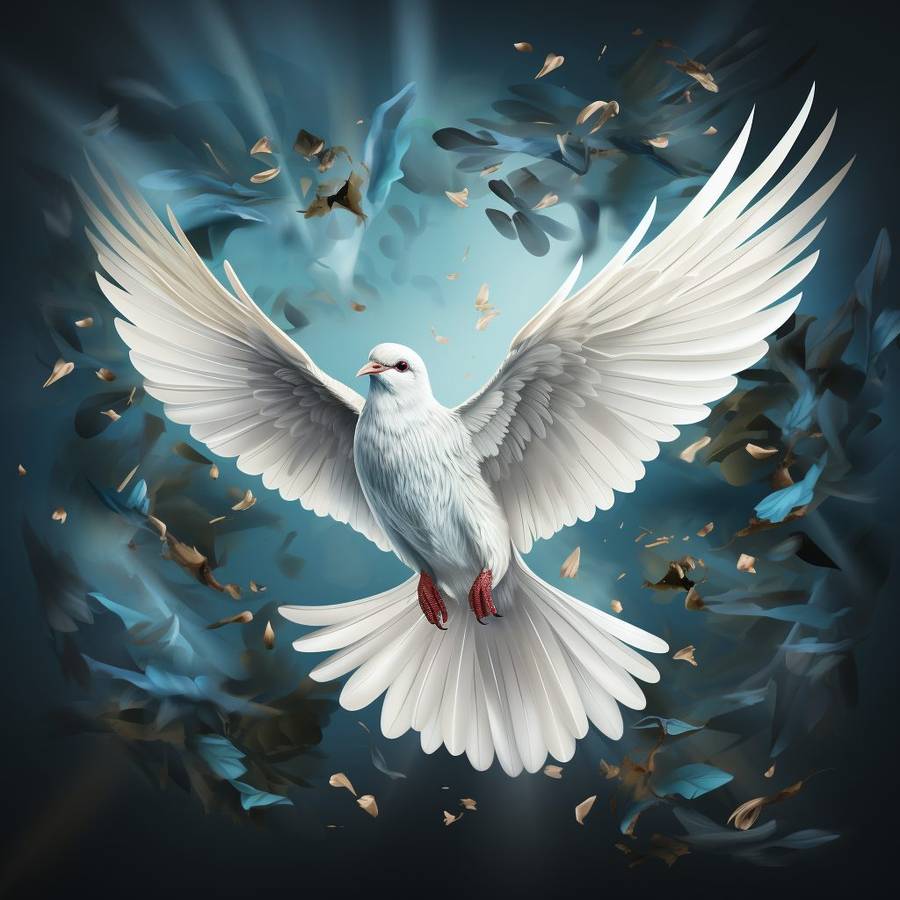
Representing peace, purity, and hope, the dove is a universally recognized symbol of harmony and tranquility. Often seen carrying an olive branch, it embodies a message of hope for a peaceful and united world. Its graceful flight inspires individuals to look beyond the present, fostering hope for a brighter and more harmonious future.
These symbols, deeply rooted in nature and the earth, serve as nurturing cradles of hope, encouraging us to embrace the beauty, harmony, and resilience that exists within and around us.In the vast realm of spirituality, certain symbols stand as potent reminders of the hope that governs life and the universe. These symbols, often revered as sacred, guide individuals on a path of enlightenment, fostering a sense of hope and positivity. In this section, we delve into the profound meanings behind the Chakra Symbols, Yemaya Goddess Symbol, and Triskele Spiral, each serving as a beacon of hope in the spiritual journey of many.
The Chakra Symbols are intricate representations of the energy centers within the human body, each resonating with a unique vibrational frequency. These symbols serve as a guide to achieving balance and harmony in one’s life, fostering a hopeful outlook towards personal growth and spiritual enlightenment. Through the alignment of the chakras, individuals can cultivate a sense of hope, as they work towards achieving a state of complete well-being and inner peace.
The Yemaya Goddess Symbol, revered in West African and Afro-Caribbean traditions, embodies the nurturing and protective qualities of the mother of all waters. As a beacon of hope, Yemaya offers comfort and guidance, fostering a sense of safety and abundance. Her symbol, often depicted as a mermaid or a woman carrying a full moon, inspires hope for fertility, prosperity, and protection, guiding individuals towards a path of love and nurturing.
The Triskele Spiral, a dynamic symbol consisting of three interlocked spirals, is often associated with progress and personal growth. It embodies the concept of life, death, and rebirth, fostering a hopeful perspective towards the cycles of life and the transformations that come with it. As a symbol of hope, it encourages individuals to embrace the continuous journey of growth and evolution, fostering a positive outlook towards the future.
These spiritual and divine entities serve as guardians of hope, guiding individuals towards a path of enlightenment, healing, and positive transformation, fostering a hopeful and nurturing outlook towards life and the universe.Reiki healing practice offers several sacred symbols, each traditionally used to channel specific healing intentions. While niche compared to everyday hope symbols, they remain meaningful to practitioners seeking balance and renewal. Here is a brief overview of six key Reiki symbols associated with hope:
In the intricate tapestry of life, symbols have always held a significant place, weaving narratives of hope, healing, and transformation. They serve as silent guides, leading us through the labyrinthine paths of existence, offering solace and inspiration in times of despair. As we traverse through the journey of life, these symbols become the beacon of hope, illuminating our path with their profound meanings and spiritual resonance.
From everyday emblems like the anchor and rainbow to ancient healing symbols that echo the whispers of wisdom from bygone eras, each icon carries with it a rich tapestry of stories and teachings. They beckon us to delve deeper, to explore the realms of the mystical and the divine, fostering a nurturing space where hope blossoms and thrives.
The symbols of life and creation, grounded in the foundations of hope, remind us of the intricate connections that bind us to the universe. They encourage us to embrace the cycles of life, to find beauty and hope in the rhythms of nature. In the mystical realms of alchemy and magic, we find symbols that ignite the flames of hope, guiding us towards transformation and enlightenment.
As we stand at the crossroads of the physical and the spiritual, these symbols become our guardians, nurturing our spirits with their divine energies. They encourage us to forge ahead, to embrace the journey with hope and positivity, fostering a space where dreams blossom and aspirations take flight.
As we conclude this exploration, let us carry forward the essence of these symbols, allowing them to infuse our lives with hope and inspiration. Let us embrace the journey of hope through symbols, fostering a world where love, harmony, and hope reign supreme.
May we continue to find solace in these symbols, allowing them to guide us towards a future filled with hope, love, and boundless possibilities.
The anchor and the cross are often cited as the most powerful symbols of hope, since both convey steadfastness through hardship and the promise of renewal after suffering. However, "most powerful" often depends on personal or cultural context — a dove may resonate more for someone seeking peace, while a phoenix speaks louder to someone rebuilding after loss.
The lotus flower is the most widely recognized floral symbol of hope, prized in Hinduism and Buddhism for rising clean and beautiful from muddy water. Other flowers associated with hope include the daffodil, often linked to new beginnings and spring renewal, and the iris, which symbolizes faith and hope in several Western traditions.
Green is the color most commonly associated with hope, symbolizing growth, renewal, and the return of life after winter. Yellow is also frequently linked to hope, representing light, optimism, and the warmth of a new dawn.
The dove is the animal most universally associated with hope, particularly through its biblical role of bringing an olive branch as a sign of peace and renewal. The phoenix, though mythical, is also a powerful animal symbol of hope, representing the ability to rise again after devastation.
Discover the caduceus meaning: Hermes' winged staff of two serpents, its Greek origins, medical mix-up with Asclepius, and spiritu…
Discover what the Om symbol truly means—its Hindu, Buddhist, and Jain roots, dream symbolism, and how to use it in daily life.
Discover what the compass symbolizes across cultures — from spiritual guidance and moral direction to finding your true life purpo…