 Know
Know
Symbols
Caduceus Meaning: History of the Winged Staff Symbol
Discover the caduceus meaning: Hermes' winged staff of two serpents, its Greek origins, medical mix-up with Asclepius, and spiritu…
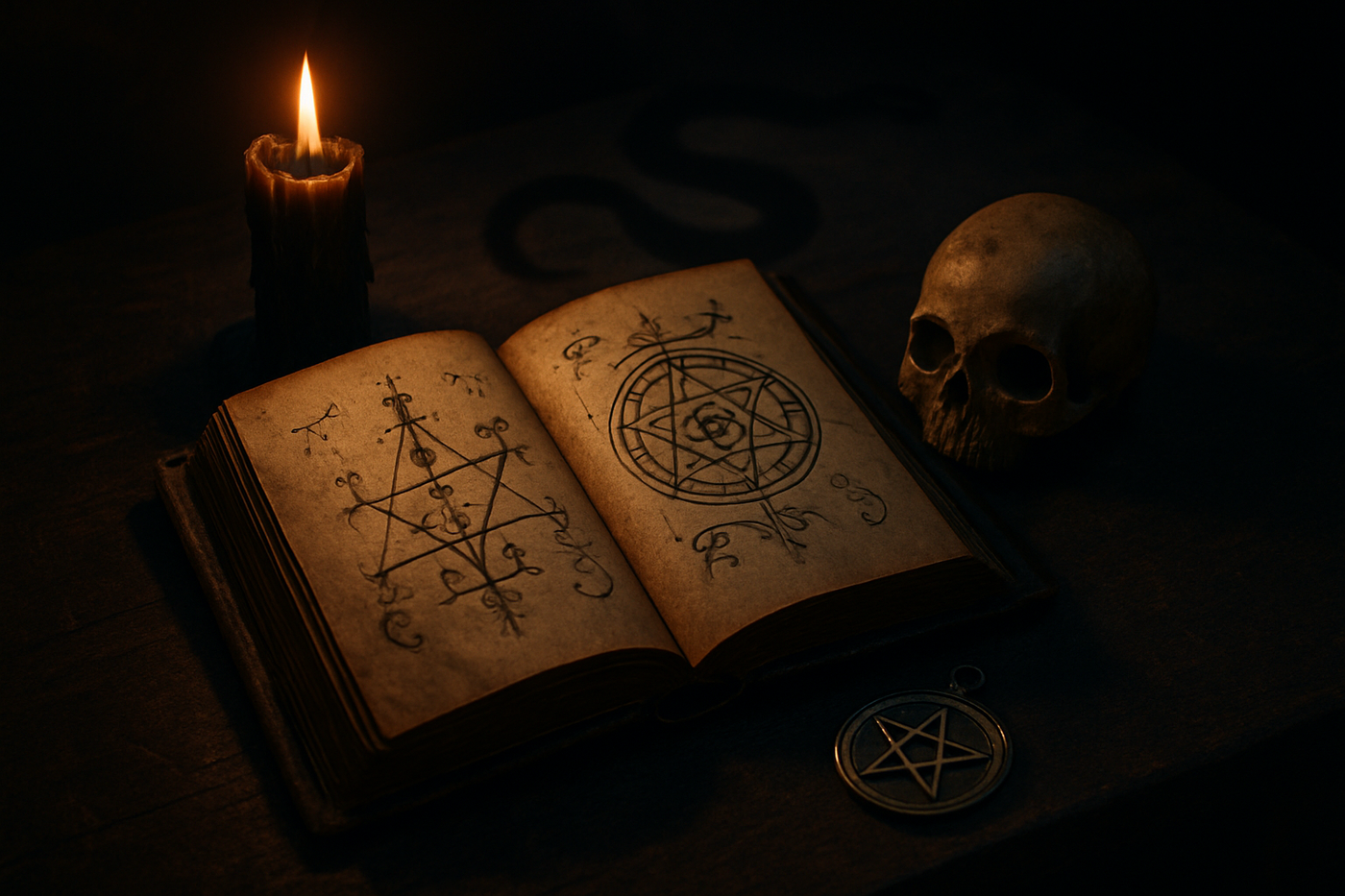
Symbols of evil are visual signs, numbers, and figures that cultures around the world have long connected to darkness, malevolence, or the demonic. They appear across religion, folklore, occultism, and pop culture, acting as shorthand for fear, rebellion, or moral transgression — though their meanings often shift depending on the era and the culture doing the interpreting. Below are 16 of the most recognized symbols of evil, from the biblical number 666 to the Lucifer Sigil, Baphomet, and the Evil Eye, along with their dark origins and what they represent today:
| Symbol | Origin | Core Meaning |
|---|---|---|
| 666 | Book of Revelation | Number of the Beast, the Antichrist |
| Lucifer Sigil | Occult scripts / morning star lore | Rebellion, enlightenment, forbidden knowledge |
| Brimstone Symbol | Biblical texts | Divine judgment, purification, warning |
| Inverted Pentagram | Reversed five-element symbol | Subversion of tradition, modern Satanism |
| Inverted Cross | Christian iconography (Saint Peter) | Defiance, anti-Christian symbolism |
| Voodoo Doll | Haitian Voodoo | Spiritual influence, control, ritual magic |
| Evil Eye | Ancient Greece & Rome | Curse from a malevolent glare |
| Three Knocks | Folk superstition | Omen of death or a spiritual message |
| Friday the 13th | Western folklore | Bad luck, dread, misfortune |
| Swastika | Ancient Hindu/Buddhist symbol, later Nazism | Once prosperity, later hatred and genocide |
| Chaos Symbol | Michael Moorcock's fiction | Disorder, unpredictability, infinite possibility |
| Raven | Norse & Native American mythology | Death omens, dark wisdom, transformation |
| Serpent | Biblical & global mythology | Deceit, temptation, renewal |
| Skull | Memento Mori art tradition | Mortality, danger, remembrance |
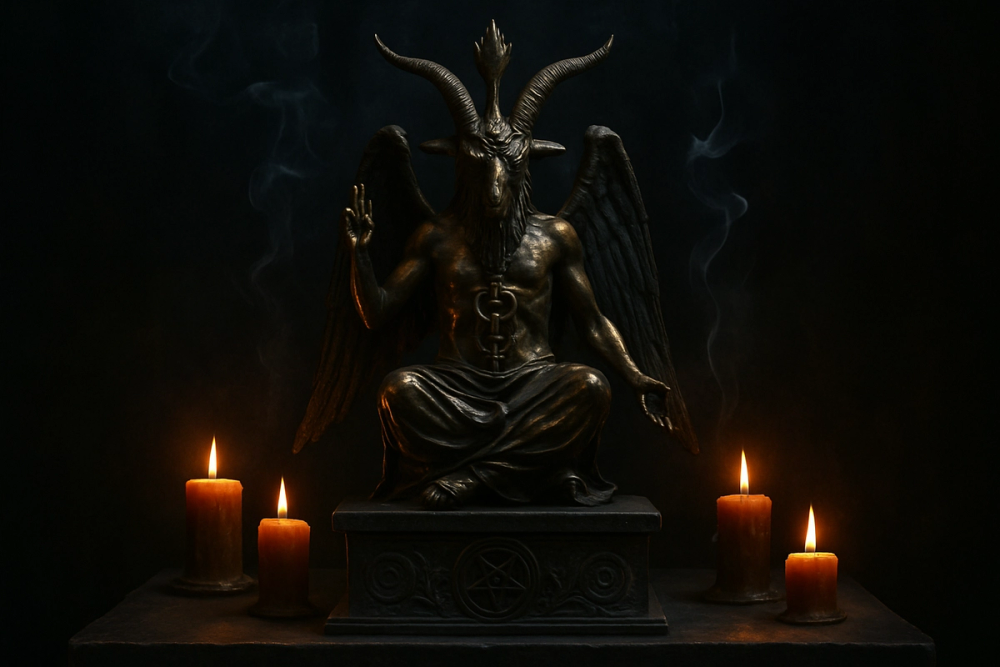
| Baphomet | Knights Templar legend, popularized by Eliphas Levi | Duality, balance of opposing forces |
| Leviathan | Book of Job | Chaos, destruction, overwhelming power |
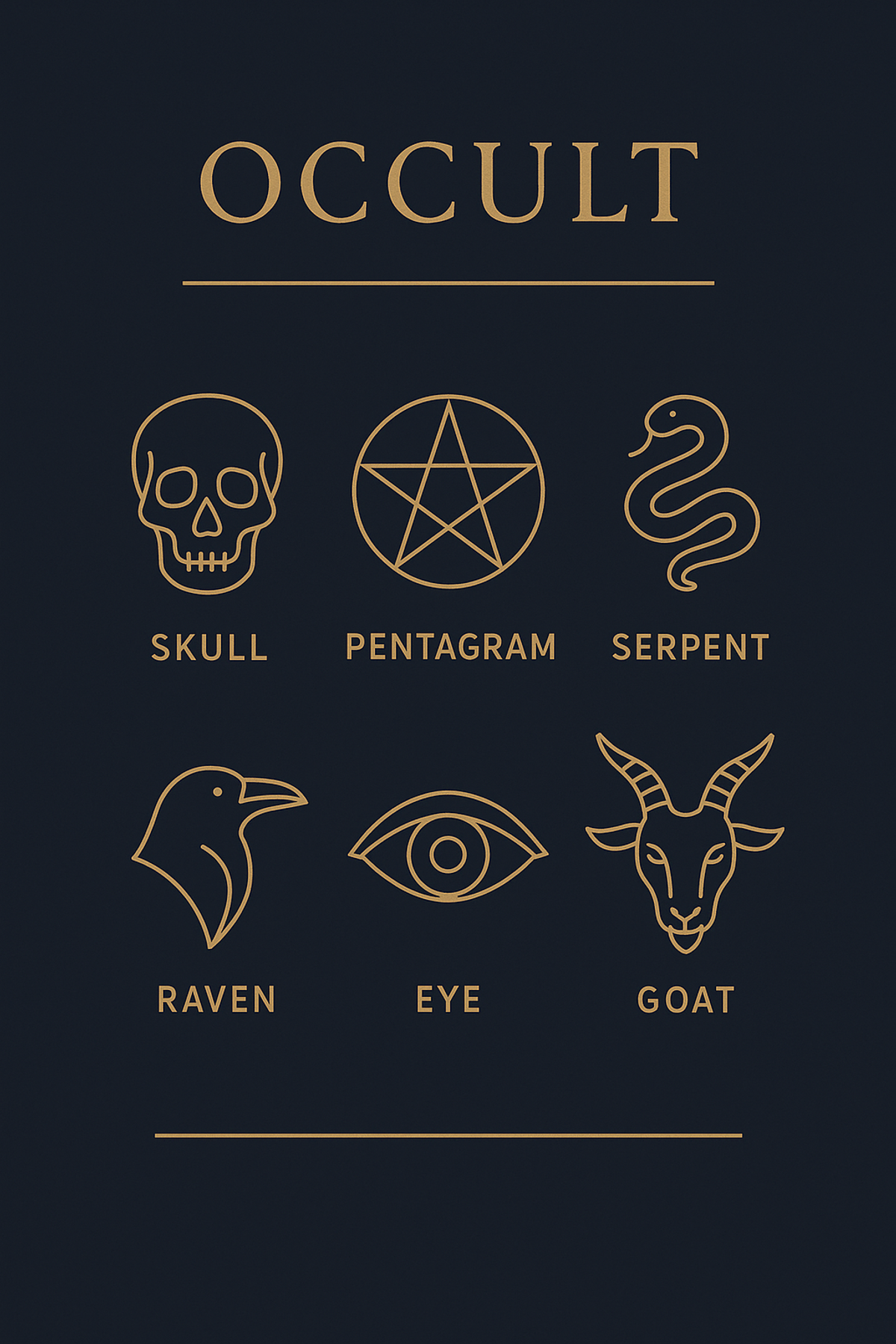
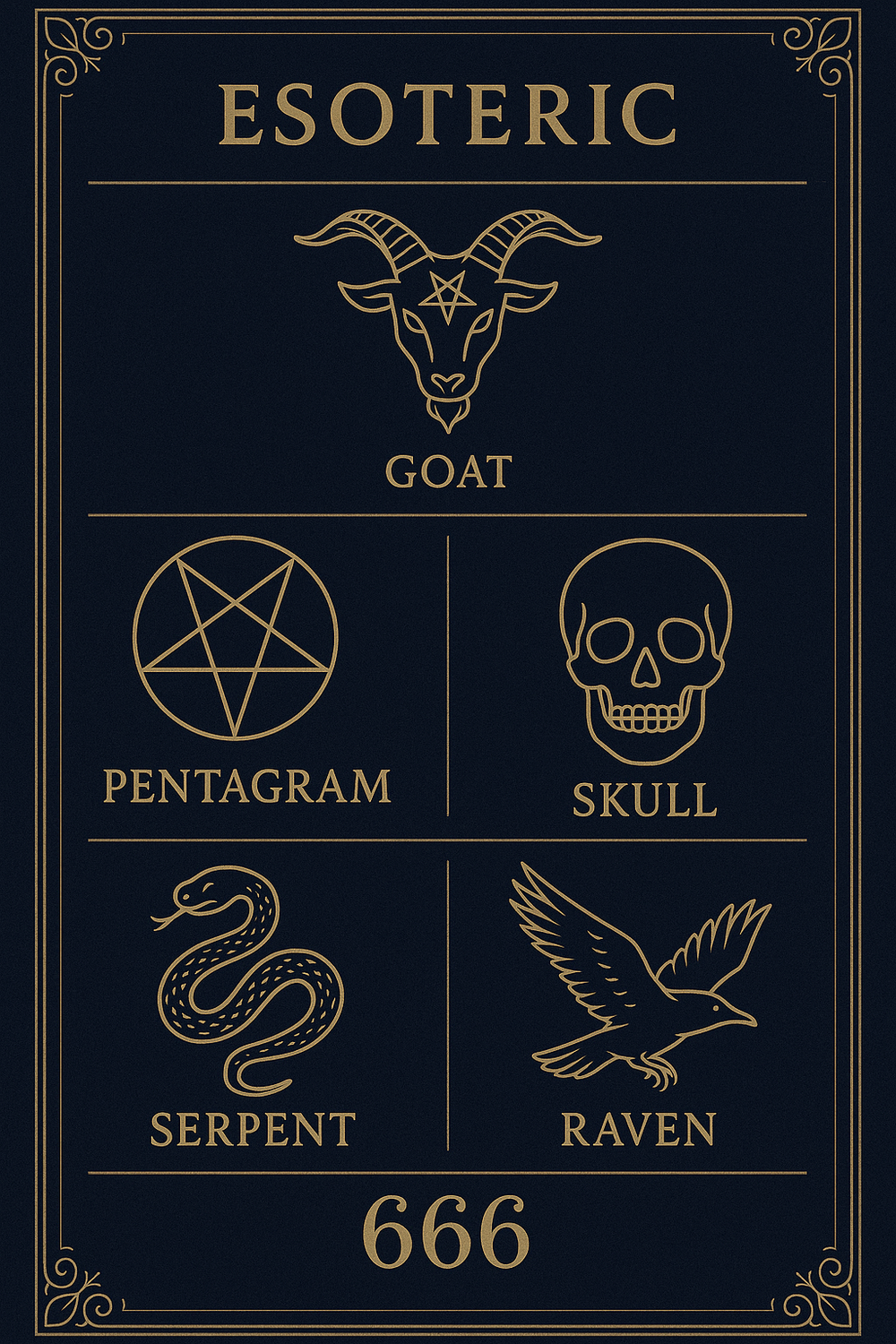
| 1. 666 – The Number of the Beast | 2. Lucifer Sigil | 3. Brimstone Symbol |
| 4. Inverted Pentagram | 5. Inverted Cross | 6. Voodoo Doll |
| 7. Evil Eye | 8. Three Knocks | 9. Friday the 13th |
| 10. Swastika | 11. Chaos Symbol | 12. Raven |
| 13. Serpent | 14. Skull | 15. Baphomet |
| 16. Leviathan |
The epitome of evil symbols, universally recognized and feared, is the number “666.” This symbol, steeped in mystery and often associated with malevolent forces, has a rich historical background and a significant presence in popular culture. Here’s what its history reveals about how it became the ultimate shorthand for evil.
| Aspect | Details |
|---|---|
| Historical Background | The number 666, also known as the number of the beast, has its origins in the biblical Book of Revelation. It has since been associated with the Antichrist and is considered a symbol of evil and negativity. |
| Significance and Interpretations | Over the centuries, various interpretations have emerged regarding the significance of 666. In numerology, it is often seen as a symbol of imperfection and excess, while in popular culture it has been linked to demonic entities and malevolent forces. |
| Presence in Popular Culture | The symbol 666 has permeated popular culture, appearing in movies, music, and literature, often as a representation of evil and darkness. Its ubiquitous presence serves as a constant reminder of the human fascination with the concept of evil. |
Several of the most feared symbols of evil are rooted directly in religious and mythological narratives. These figures and marks, often shrouded in mystery, have been both revered and feared throughout history. Below, we break down some of the most enigmatic among them and their significance in modern times.
The Lucifer Sigil, a symbol often associated with occult practices, carries a rich tapestry of history and meaning. Its origins, symbolic weight, and modern usage tell a layered story.
The Brimstone Symbol, deeply entrenched in biblical narratives, serves as a potent representation of both purification and destruction. Its biblical roots and modern interpretations reveal why it still carries weight today.
The Inverted Pentagram, a symbol steeped in controversy and mystery, has been a focal point in various religious and occult practices. Its historical background and association with Satanism explain its lasting notoriety.
| Aspect | Details |
|---|---|
| Historical Background | Originally a symbol of spirituality and the five elements, the inverted version has come to represent the subversion of traditional values. |
| Association with Satanism | The inverted pentagram has been adopted by modern satanic movements as a symbol of opposition to traditional religious values. |
| Modern Usage | Today, it is often used in various forms of art and culture, symbolizing a break from traditional norms and a celebration of individualism. |
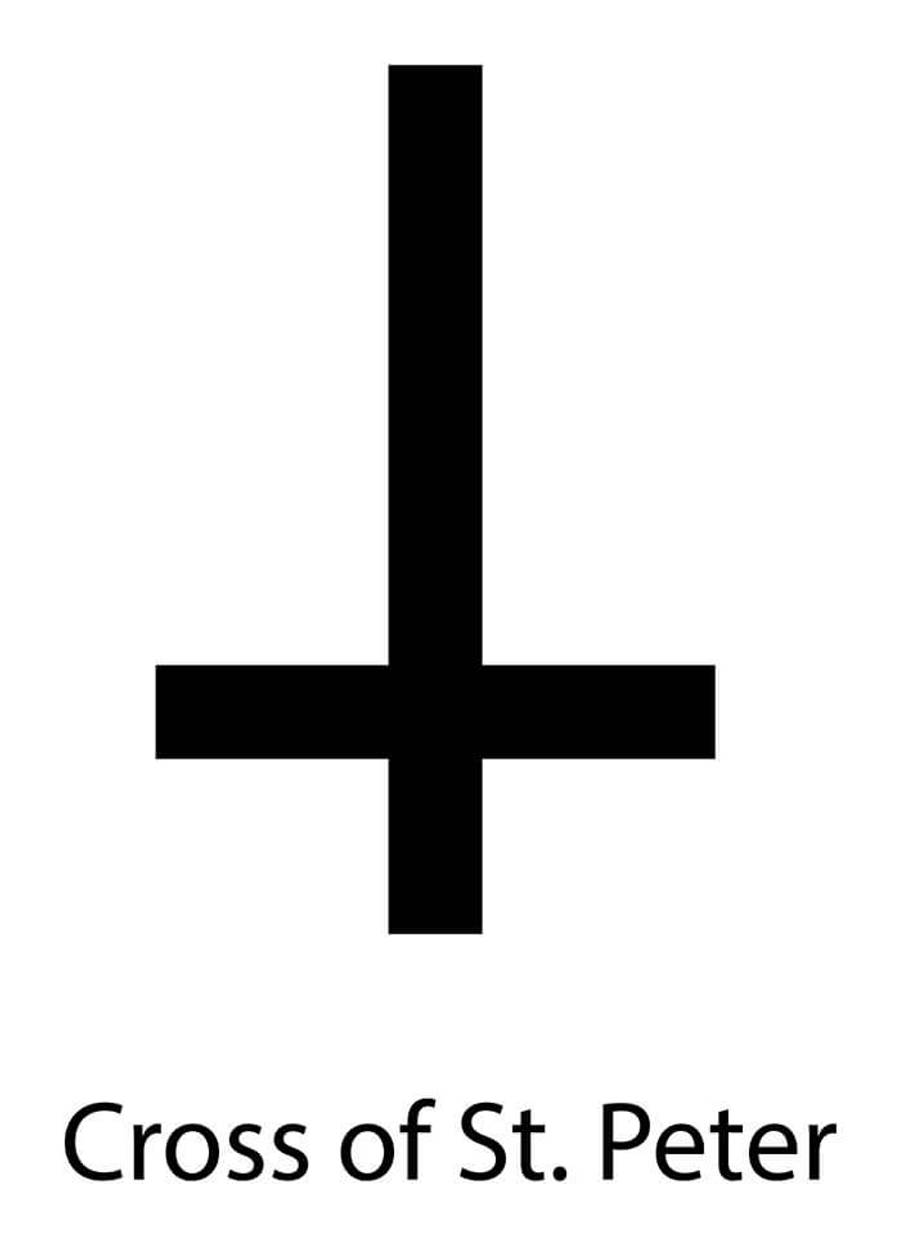
The Inverted Cross, a symbol that has sparked both reverence and fear, carries a rich history and a deep symbolic meaning. Its origins and modern presence reveal two very different sides of the same shape.
Some symbols of evil are less theological and more folkloric — passed down through superstition, ritual, and shared cultural fear rather than scripture. The following symbols show how ordinary objects and moments can take on ominous weight.
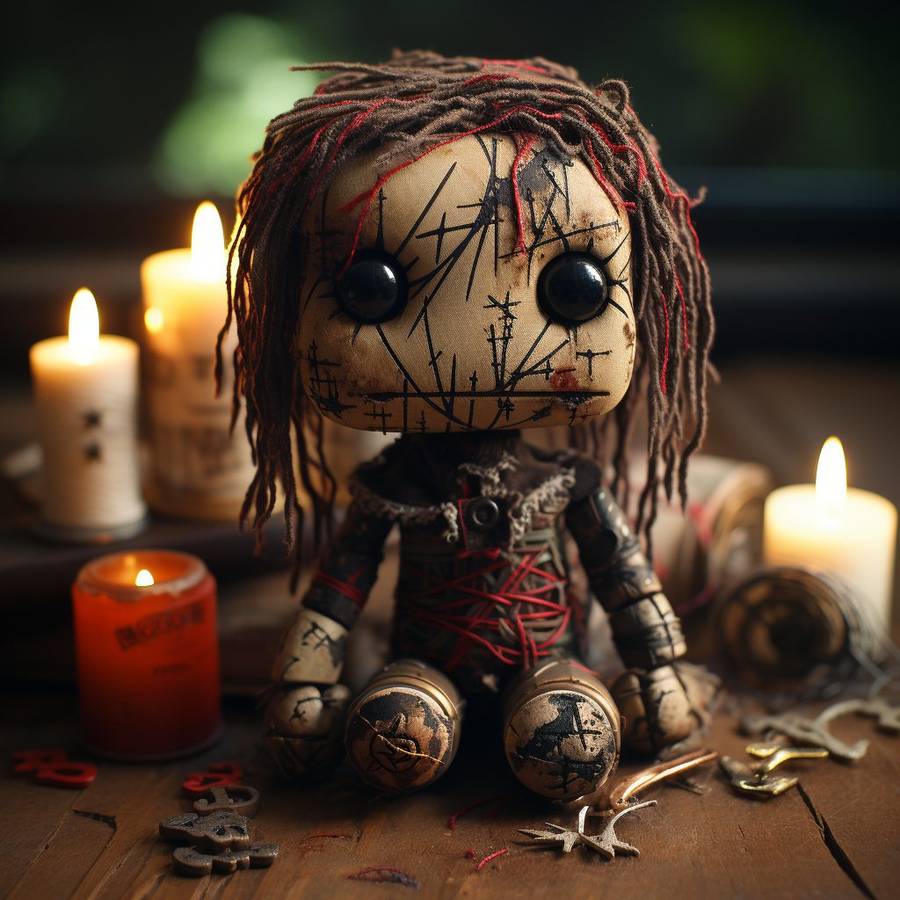
The Voodoo Doll, a symbol deeply rooted in Haitian Voodoo, represents the mystical practices associated with this belief system. Its origins, symbolic meaning, and place in pop culture are worth unpacking.
| Aspect | Details |
|---|---|
| Origin in Haitian Voodoo | The Voodoo Doll finds its origins in Haitian Voodoo, a syncretic religion that blends West African, Native Taino, and Christian beliefs. The doll is used in various rituals, often as a means to influence the physical or emotional state of another person. |
| Symbolic Representation | Symbolically, the Voodoo Doll represents a connection between the physical and spiritual realms, acting as a conduit for energies and intentions. |
| Usage in Popular Culture | In popular culture, the Voodoo Doll has often been portrayed as a tool for malevolent practices, featuring prominently in horror films and literature as a symbol of fear and control. |
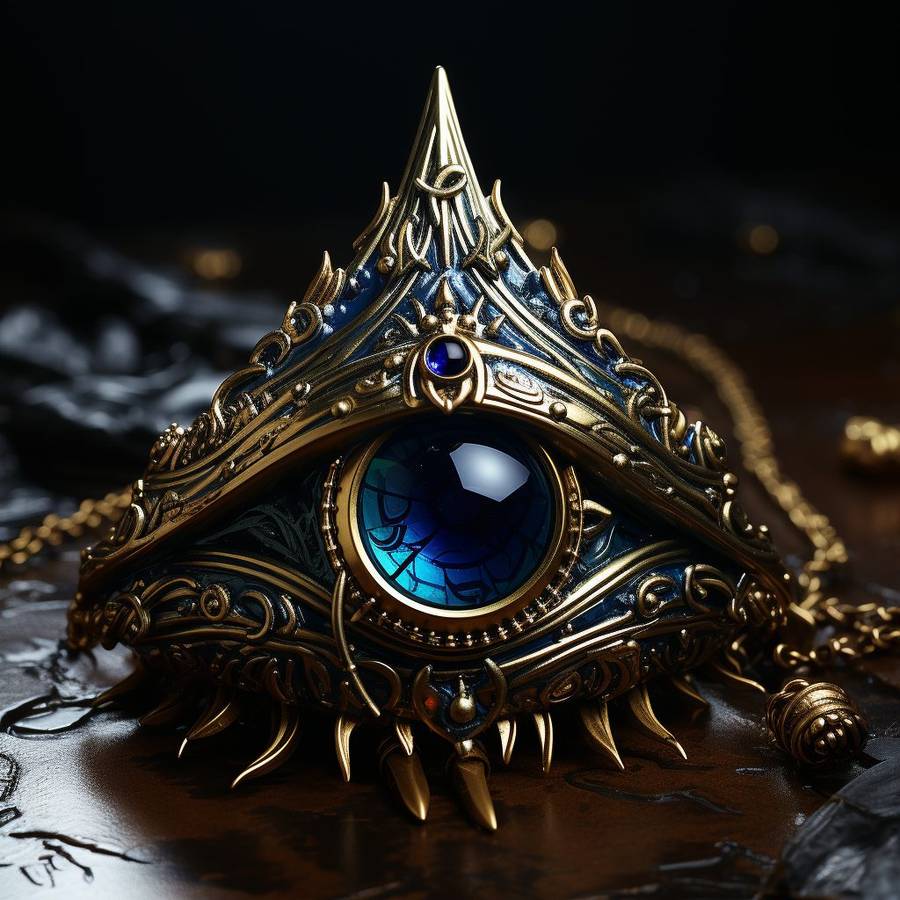
The concept of the Evil Eye, a pervasive belief in many cultures, embodies the fear of malevolent glares causing misfortune or injury. Its historical background, protective measures, and modern beliefs reveal why this ancient symbol persists today.
The phenomenon of Three Knocks, deeply rooted in folklore and superstition, serves as a harbinger of ominous events in various cultures. Its folkloric roots and modern interpretations explain why the sound alone can unsettle people.
The date Friday the 13th, synonymous with superstitions and fears, has been a source of intrigue and speculation for centuries. Its uncertain origins, associated superstitions, and pop-culture legacy have kept the date alive in the public imagination.
Not every symbol of evil started out that way. Some carry complex, even contradictory histories, encompassing both positive associations and dark chapters of human history. One such symbol, which stands as a testament to the dual nature of symbols, is the Swastika.
The Swastika, a symbol that has traversed various phases of human history, embodies a rich tapestry of meanings and associations. From its ancient positive connotations to its twisted version associated with Nazism, the Swastika has witnessed a transformation like no other symbol. Its ancient history, twisted version, and modern perspectives reveal a symbol split between two very different legacies.
| Aspect | Details |
|---|---|
| Ancient History and Positive Associations | Originally, the Swastika was a symbol of well-being and prosperity, used in various ancient cultures including Hinduism, Buddhism, and Jainism. It represented life, sun, power, and good luck. |
| Twisted Version and Association with Nazism | The Swastika underwent a dark transformation during the Nazi regime, where it was adopted as a symbol of Aryan identity and German nationalism, becoming synonymous with hatred, racism, and genocide. |
| Modern Perspectives | Today, the Swastika carries a dual significance. While it continues to be a sacred symbol in many Eastern cultures, it is also a painful reminder of the atrocities committed during the Holocaust in the Western world. Efforts are underway to reclaim its ancient positive meanings, but the path is fraught with challenges. |
The Swastika is believed to be one of the oldest symbols used by humanity, with its usage dating back to the Neolithic period. Its geometric simplicity and powerful symbolism have contributed to its widespread use in various cultures throughout history.
The Chaos Symbol, a representation of disorder and unpredictability, has a history that spans various cultures and philosophies. Its origins, symbolic weight, and modern presence are worth examining alongside other mystical symbolism, such as the Tree of Life, which represents order and interconnected balance in contrast to chaos.
| Aspect | Details |
|---|---|
| Origin and History | The Chaos Symbol, also known as the Symbol of Eight, originated in the works of Michael Moorcock, a British writer. It was initially used to represent the eternal battle between order and chaos in his literary works. |
| Symbolic Representation | Symbolically, the Chaos Symbol represents disorder, unpredictability, and the infinite possibilities that arise from chaos. It embodies the belief that chaos is not merely destructive but can also be a source of creation and innovation. |
| Usage in Modern Times | In modern times, the Chaos Symbol has been adopted by various movements and groups to represent a break from traditional norms and an embrace of new, unconventional paths. It is often seen in art, literature, and even in the realms of science and philosophy as a representation of the complex, unpredictable nature of the universe. |
Fun Fact: The Chaos Symbol has found a place in popular culture, notably in the realm of video games, where it is used to represent factions or forces that embody the principles of chaos and unpredictability.
Animals have long served as vessels for humanity's fears and beliefs about evil. These symbols carry rich historical and cultural significance, appearing across literature, art, and mythology. Below, we focus on two of the most enduring: the Raven and the Serpent.
The Raven, a bird shrouded in mystery and symbolism, has been a prominent figure in various cultures, representing a myriad of concepts ranging from death and evil to wisdom and protection. Its historical significance, dark associations, and presence in literature and art tell a layered story.
| Aspect | Details |
|---|---|
| Historical and Cultural Significance | The Raven holds a significant place in various cultures. In Norse mythology, it is associated with the god Odin, symbolizing wisdom and knowledge. In Native American cultures, it is seen as a creator and a symbol of transformation. |
| Association with Death and Evil | Throughout history, the Raven has often been linked with death and evil, seen as a harbinger of death in various cultures. Its black plumage and scavenging habits have contributed to this dark association. |
| Presence in Literature and Art | The Raven has been a popular subject in literature and art, featuring prominently in works such as Edgar Allan Poe’s poem “The Raven”, where it is portrayed as a symbol of the narrator’s grief and loss. |
Despite its dark associations, the Raven is also seen as a symbol of intelligence and adaptability, known for its problem-solving abilities and complex social structures.
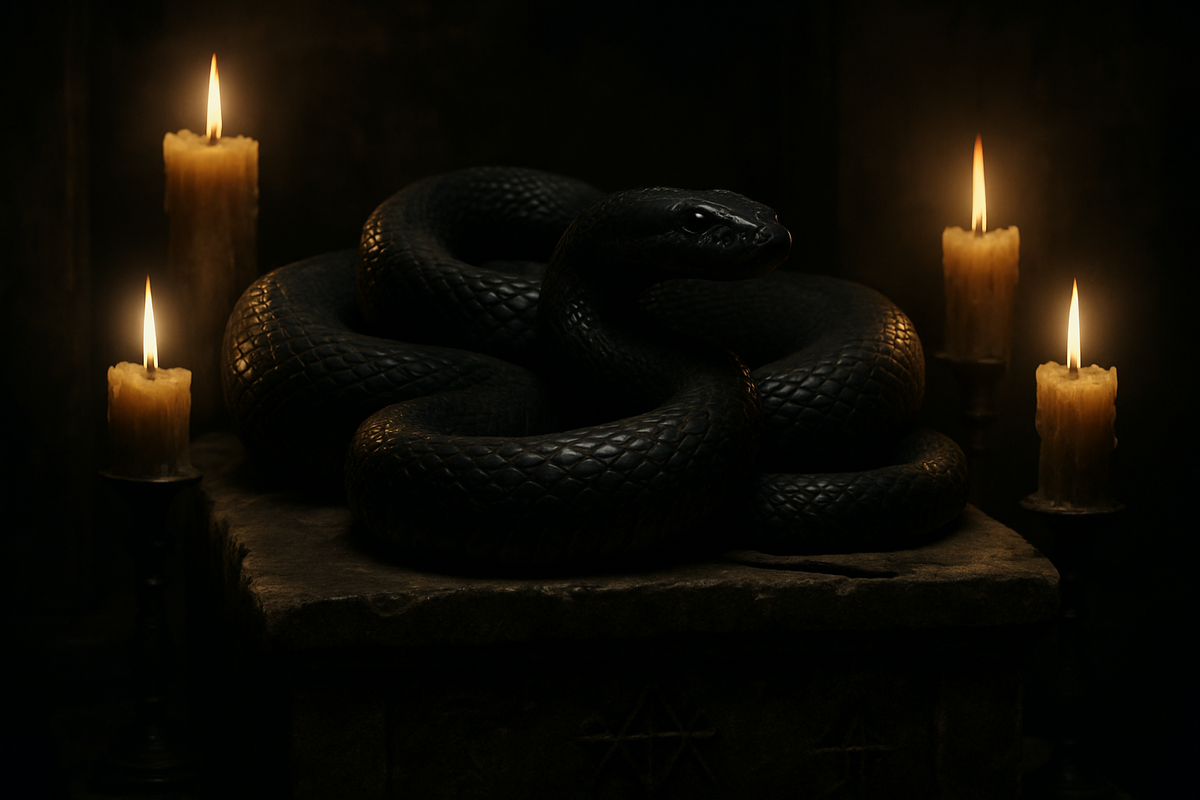
The Serpent, a creature that slithers through the annals of history, has been a potent symbol in various cultures, embodying both reverence and fear. Its biblical references, symbolic weight across cultures, and modern interpretations show why this creature remains one of the most complex symbols of evil.
| Aspect | Details |
|---|---|
| Biblical References | In the Bible, the serpent plays a significant role, most notably in the story of Adam and Eve in the Garden of Eden, where it is portrayed as a deceiver that leads humanity into sin. It is also mentioned in other contexts as a symbol of cunning and deceit. |
| Symbolic Representation in Various Cultures | The serpent holds diverse meanings across cultures. In ancient Egypt, it was seen as a protector, while in Hindu mythology, it is often associated with the cycles of life, death, and rebirth. In Mesoamerican cultures, the serpent was revered as a god of wind and learning. |
| Modern Interpretations | In modern times, the serpent continues to be a symbol of danger and fear, often used in literature and films to represent evil forces. However, it is also seen as a symbol of transformation and healing, representing the shedding of old skin and renewal. |
Fun Fact: The medical field uses the Rod of Asclepius, a symbol featuring a serpent entwined around a rod, as a symbol of healing and medicine, showcasing the positive associations the serpent holds in certain contexts.
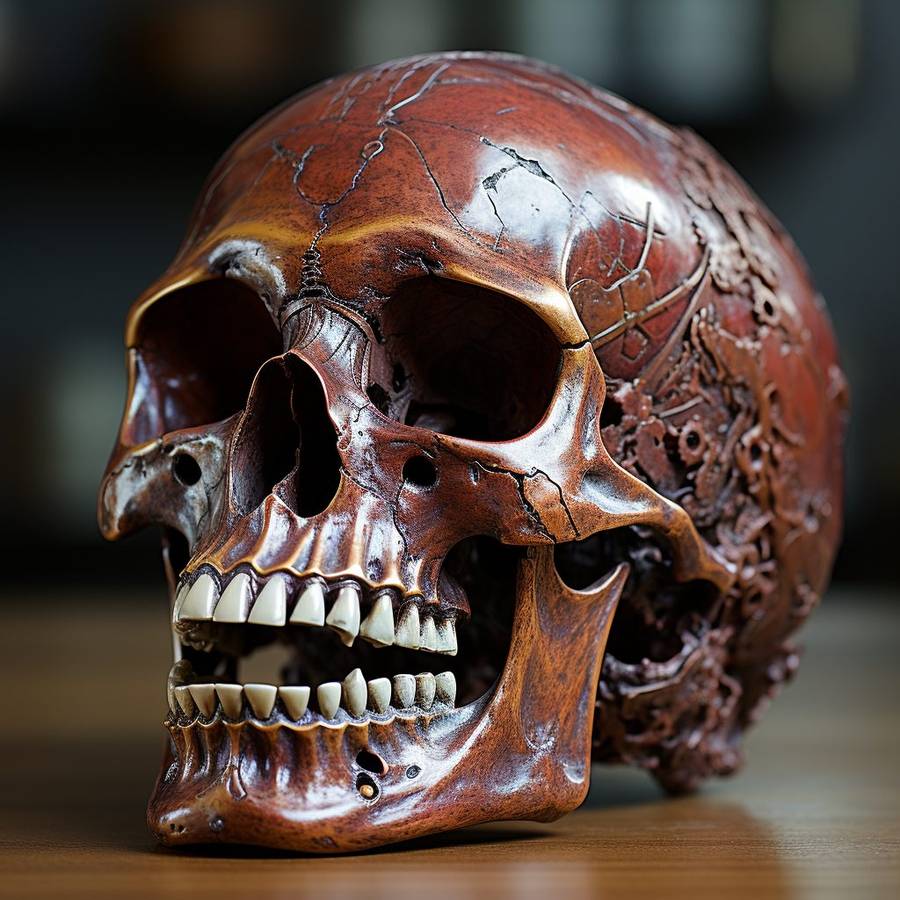
The Skull, a symbol that has transcended time, holds a prominent place in art, culture, and various symbolic representations. Often associated with death and evil, it also embodies deeper meanings and nuances. Its symbolism in art, dark associations, and modern usage reveal a surprisingly versatile icon.
| Aspect | Details |
|---|---|
| Symbolism in Art and Culture | The skull has been a potent symbol in art and culture, often used to represent the transient nature of life. In art, it has been a popular motif in Memento Mori artworks, serving as a reminder of the inevitability of death. In various cultures, it symbolizes wisdom and the passage of time. |
| Association with Death and Evil | Historically, the skull has been associated with death and evil, often used to invoke fear and as a warning against danger. Its grim appearance has made it a popular symbol in depictions of the underworld and as a representation of mortality. |
| Usage in Modern Times | In modern times, the skull has found a place in fashion, art, and popular culture, often used to represent rebellion and individuality. It is also a popular motif in tattoos, where it can symbolize a variety of concepts, including change, strength, and overcoming challenges. |
The skull has also found a place in celebrations and festivals, most notably in the Mexican holiday of Day of the Dead (Día de los Muertos), where it is used as a symbol of remembrance and honor for the deceased.
Some symbols of evil emerged directly from occult traditions, often surrounded by an aura of mystery and secrecy. Below, we examine Baphomet and Leviathan, two figures that have been a source of speculation and intrigue for centuries.
The figure of Baphomet, a symbol steeped in mystery and often associated with the occult, has a rich and complex history. Its origins, symbolic meaning, and modern usage make it one of the most misunderstood figures on this list.
| Aspect | Details |
|---|---|
| Origin and History | The origin of Baphomet is shrouded in mystery. It is often associated with the Knights Templar, a medieval Christian military order, and later became a prominent figure in occult and esoteric traditions. The modern image of Baphomet, as a goat-headed deity, was popularized by Eliphas Levi in the 19th century. |
| Symbolic Representation | Baphomet is often depicted as a hermaphroditic figure with a goat’s head, embodying the union of opposites and representing the duality of existence. It is seen as a symbol of the equilibrium of the opposing forces of the universe — a dark-mirror counterpart to balance symbols like the Yin Yang, which represents the same idea of harmonized opposites in a very different context. |
| Modern Usage | In modern times, Baphomet has been adopted by various occult groups and is often used in rituals and symbolism as a representation of the reconciliation of opposites and the harmonization of forces in the universe. |
Fun Fact: The statue of Baphomet, featuring the deity with two children at its side, has become a modern symbol for the Church of Satan and The Satanic Temple, often used in ceremonies and as a symbol of protest for religious freedom and separation of church and state.
The Leviathan, a formidable creature mentioned in various ancient texts, holds a significant place in biblical literature and symbolic representations across cultures. Its biblical references, symbolic weight, and modern interpretations reveal why it still represents overwhelming, chaotic power.
| Aspect | Details |
|---|---|
| Biblical References | The Leviathan is mentioned in several biblical texts, notably in the Book of Job, where it is described as a massive sea creature created by God. It is also mentioned in the books of Psalms and Isaiah, where it symbolizes chaos and evil forces. |
| Symbolic Representation | Throughout history, the Leviathan has been symbolically represented as a creature of chaos and destruction, often depicted as a sea monster or dragon. In various cultures, it embodies the primal forces of the ocean and the chaos of the natural world. |
| Modern Interpretations | In modern times, the Leviathan has come to symbolize any large, overpowering force or entity, often used metaphorically to describe powerful organizations or governments. It has also found a place in literature and films as a representation of formidable adversaries or challenges. |
The term “Leviathan” has also been used in political philosophy, notably in Thomas Hobbes’ work “Leviathan,” where it represents the absolute power of the state, embodying the social contract theory where individuals relinquish some rights for protection and order.
As we reach the culmination of our exploration into the realm of evil symbols, it becomes evident that symbols are not static entities; they evolve, adapting and morphing through the sands of time. Their power lies in their ability to shape perceptions, influence ideologies, and encapsulate the complexities of human experiences and beliefs.
Throughout history, symbols have served as a language unto themselves, conveying deep and often complex meanings that transcend words. The study of evil symbols, in particular, unveils a rich tapestry of human culture and history, where the lines between good and evil, sacred and profane, are often blurred and intertwined.
The power of symbols in shaping perceptions cannot be understated. They serve as mirrors reflecting societal beliefs, fears, and aspirations. In the context of evil symbols, they often encapsulate the darker aspects of human nature and the universe, serving as a reminder of the dualities that exist within and around us.
As we conclude, it is worth approaching the study of evil symbols with a nuanced perspective, recognizing the multifaceted nature of these symbols and their capacity to embody both darkness and light. If this exploration piqued your curiosity, dive deeper into related dark and sacred symbolism with our guides on different types of crosses and Catholic symbols, both of which connect directly to several symbols covered here.
Studying evil symbols offers a deeper insight into human culture and history, allowing us to understand the complexities of human beliefs and the dual nature of good and evil that has been a recurring theme throughout history. It also helps explain why certain images and numbers continue to provoke strong reactions today.
Evil symbols have evolved over time, adapting to changing societal beliefs and narratives. They often undergo transformations in their meanings, sometimes embodying contrasting values and perceptions in different cultural and historical contexts, as seen with the Swastika's shift from a symbol of prosperity to one of hatred.
Betrayal is commonly represented by the Judas kiss, a hidden dagger, the serpent, and the mask — each symbolizing deception hidden behind an appearance of loyalty or friendship. The serpent in particular overlaps with evil symbolism, since it's tied to both betrayal and deceit in biblical tradition.
Deceit is often symbolized by the serpent, a forked tongue, the mask, and the fox — figures known across cultures for cunning, disguise, and manipulation. These symbols frequently appear alongside evil imagery because deception has long been viewed as a tool of malevolent forces.
Discover the caduceus meaning: Hermes' winged staff of two serpents, its Greek origins, medical mix-up with Asclepius, and spiritu…
Discover what the Om symbol truly means—its Hindu, Buddhist, and Jain roots, dream symbolism, and how to use it in daily life.

Discover what the compass symbolizes across cultures — from spiritual guidance and moral direction to finding your true life purpo…