Know
Know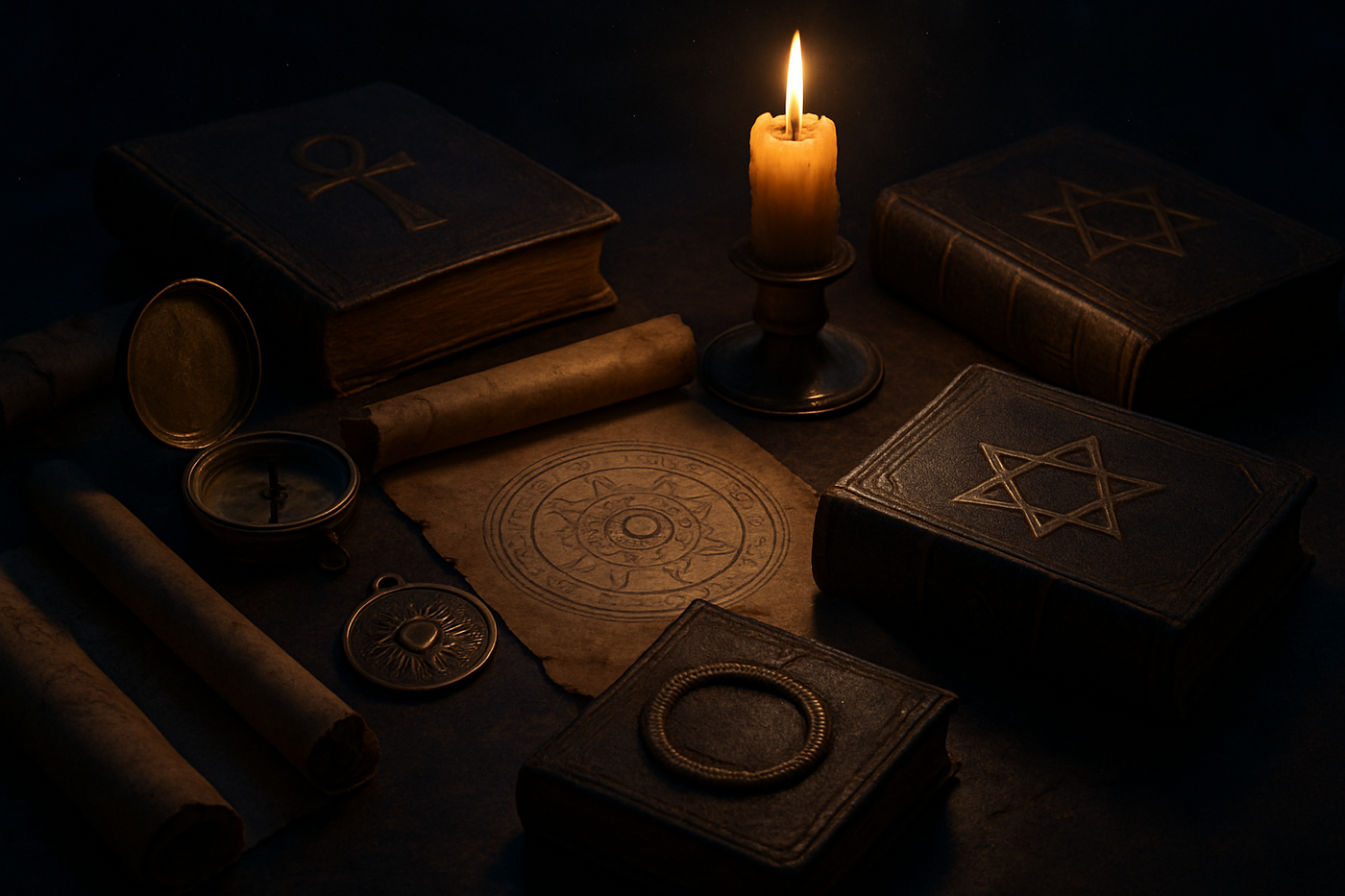
Occult symbols are visual signs used in ritual, divination, and protection that represent forces such as life, transformation, balance, loyalty, change, and betrayal. Rooted in ancient Egyptian, Norse, Judaic, Christian, Hindu, and alchemical traditions, these symbols distill complex spiritual ideas into a single image. Below you'll find 36 of the most significant occult symbols, their meanings and origins, plus a dedicated guide to which symbols represent loyalty, change, betrayal, and deceit.
Symbols at a Glance
With 36 symbols spanning a dozen traditions, here is a quick-reference table before diving into the full histories and meanings below.
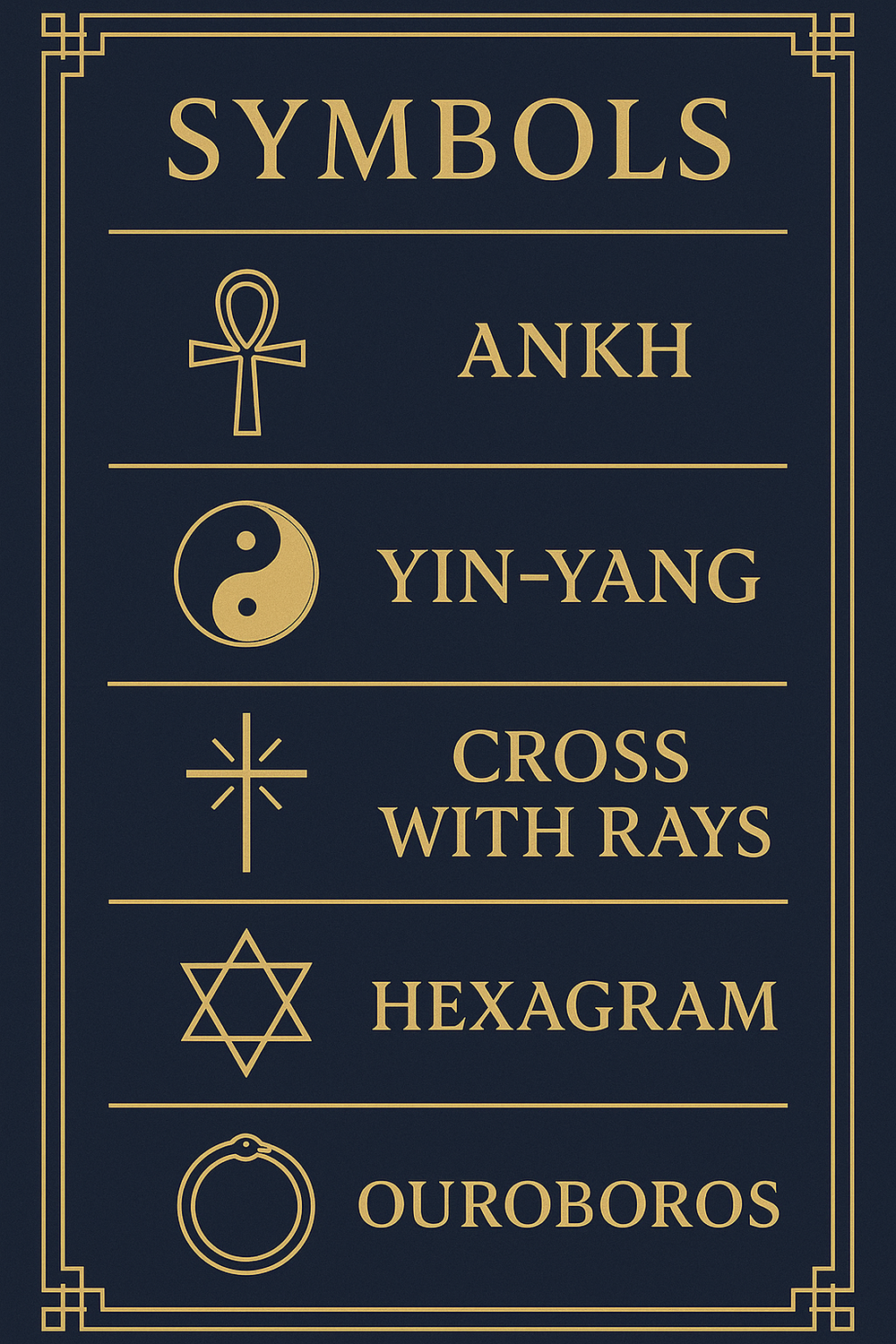
| Symbol | Tradition | Core Meaning |
|---|---|---|
| Ankh | Ancient Egyptian | Life and immortality |
| Eye of Horus | Ancient Egyptian | Protection and good health |
| Yin-Yang (Taijitu) | Taoist | Balance and duality |
| Baphomet | Occult/Esoteric | Balance of opposites |
| Ouroboros | Universal/Alchemical | Cyclical change and renewal |
| Pentacle | Wiccan/Modern Magic | Protection |
| Hexagram (Star of David) | Judaic | Divine connection |
| Tree of Life | Kabbalah | Spiritual pathway to the divine |
| Cross of Saint Peter | Christian | Humility and martyrdom |
| Rose Cross | Rosicrucian | Unfolding of consciousness |
| Runes | Norse | Cosmic force and fate |
| Sri Yantra | Hindu Tantra | Meditation and divine feminine energy |
| Anchor | Christian/Nautical | Loyalty and steadfast hope |
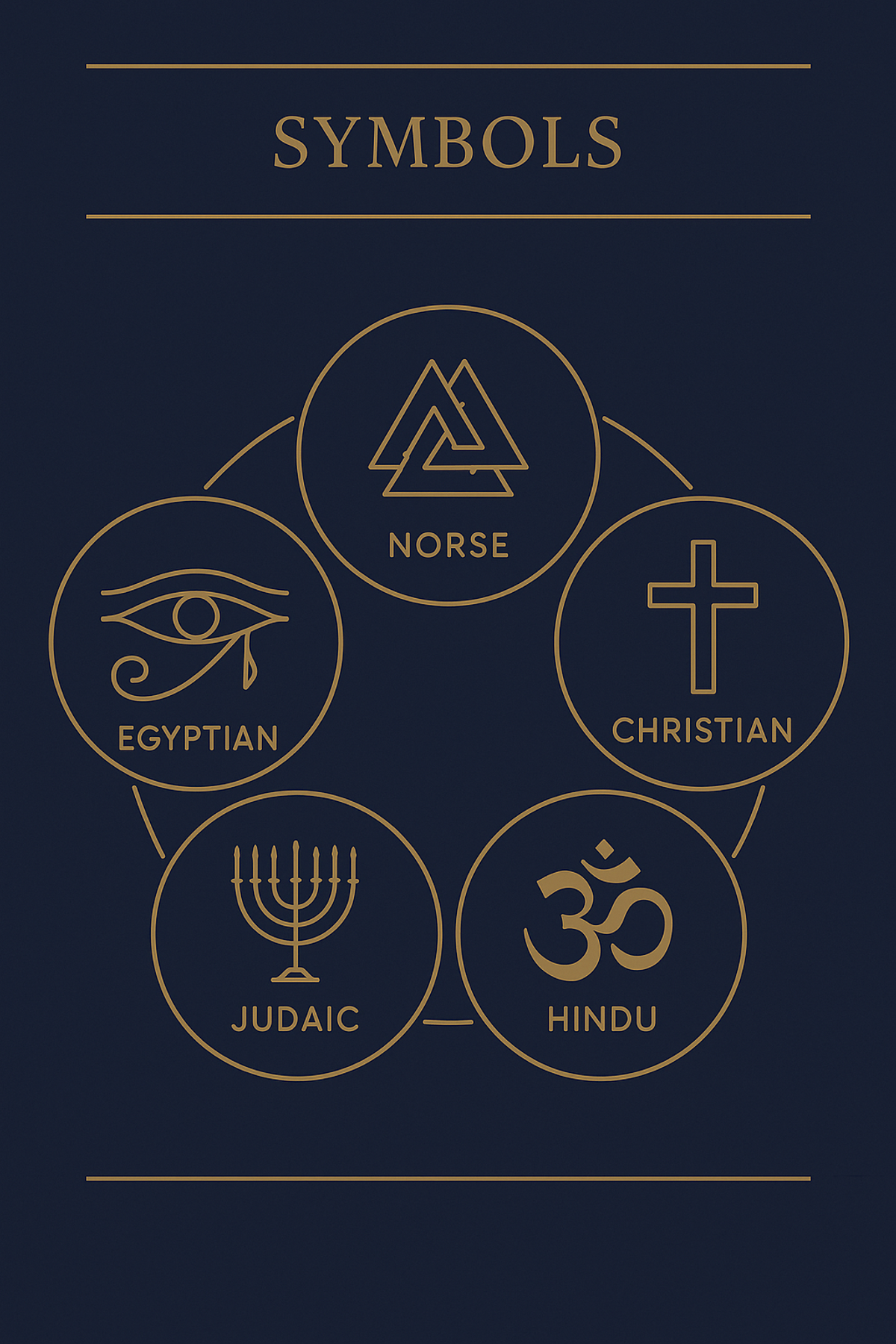
Symbols of Loyalty, Change, Betrayal & Deceit
Beyond the well-known figures listed above, many occult and mythological symbols specifically encode human relational states — devotion, transformation, treachery, and dishonesty. This section maps those emotional concepts directly to their visual counterparts.
Symbols of Loyalty
Loyalty is most often represented by the anchor, a Christian and nautical emblem of steadfastness, hope, and unwavering commitment, explored further in our anchor meaning guide. Claddagh-style knotwork, with its interlocking heart, hands, and crown, also symbolizes enduring loyalty, friendship, and love, while the intertwined double Celtic knot represents unbreakable bonds between two people.
Symbols of Change
The Ouroboros, the serpent devouring its own tail, is the definitive occult symbol of change, representing the eternal cycle of death, rebirth, and transformation. The Yin-Yang similarly embodies constant flux between opposing forces, while alchemical transformation symbols like the Sun and Solar Symbol reflect the refining process from base matter into something higher.
Symbols of Betrayal
Inverted or reversed symbols are frequently associated with betrayal, since flipping a sacred sign was historically used to signal a corruption or rejection of its original meaning. The inverted pentagram, when detached from its Wiccan protective context, has been popularly (if inaccurately) linked to betrayal of natural order, while broken or shattered chain motifs in folklore represent broken oaths and betrayed trust.
Symbols of Deceit
The two-faced image of Janus, the Roman god who looks simultaneously forward and backward, is the clearest occult symbol of deceit and duplicity. Serpents with forked tongues and masks — both common in esoteric iconography — also represent hidden intentions, false appearances, and the gap between what is shown and what is true.
Ancient Egyptian Symbols
Ancient Egypt, a civilization known for its enigmatic pyramids, pharaohs, and mystical practices, has bestowed upon us some of the most fascinating symbols.
-
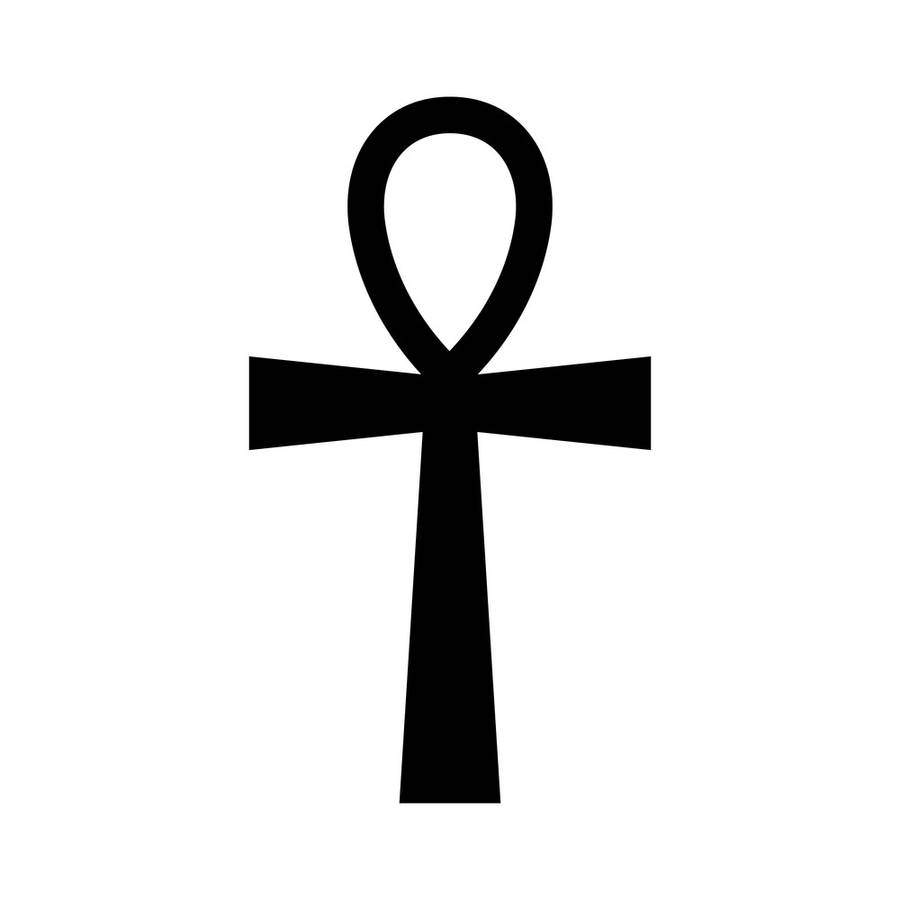
Ankh
The Ankh, often referred to as the “key of life,” is a captivating symbol that represents life and immortality. This symbol, resembling a cross with a loop at the top, was used extensively in ancient Egyptian art and hieroglyphs. It was often carried by the gods and the pharaohs, signifying their divine connection to life’s eternal cycle and their role as life’s stewards.
-
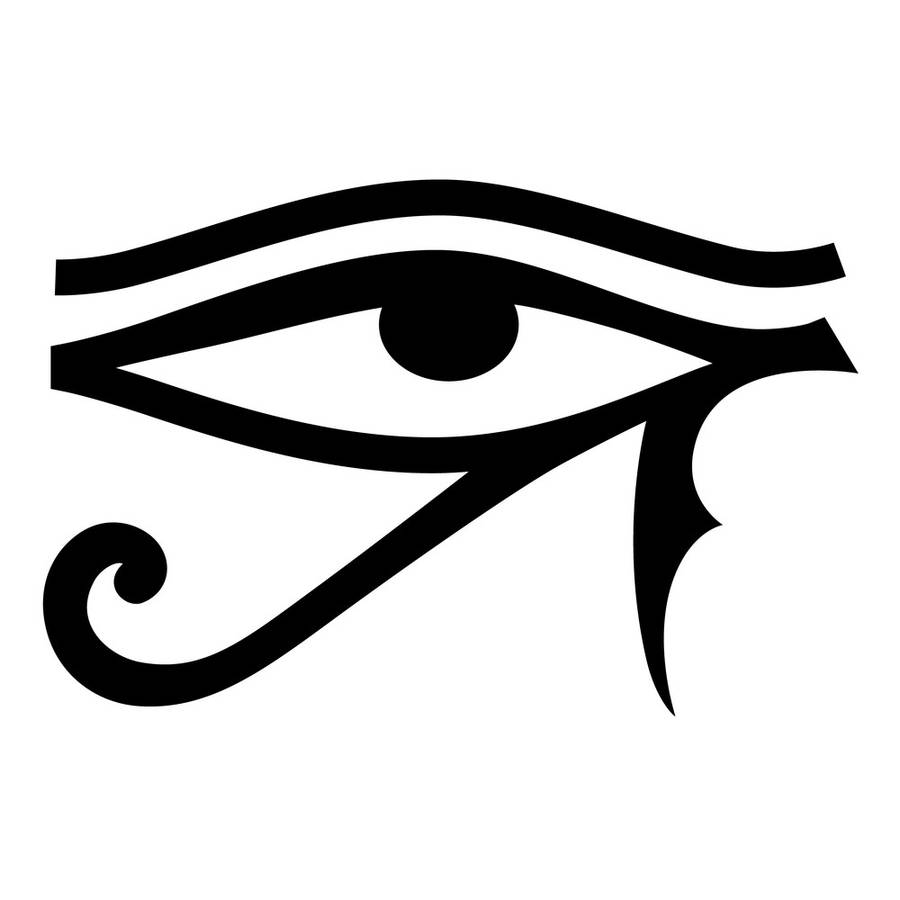
Eye of Horus
The Eye of Horus, or Wadjet, is a powerful symbol of protection, royal power, and good health. This eye, with its distinctive and captivating design, was believed to protect against evil, ensuring safety and prosperity. It is also associated with the moon and the sun, representing the eternal cycle of day and night, light and darkness. Much like the Hamsa hand in later Middle Eastern traditions, it was worn as an amulet to ward off harm.
These symbols, deeply embedded in the ancient Egyptian culture, continue to be of significance today, often used in jewelry, tattoos, and artwork, carrying with them the mystique and wisdom of a civilization long past.
Divination Symbols
Divination symbols have been integral to various cultures, providing insight and guidance through mystical means. These symbols are often used to predict the future, uncover hidden knowledge, or seek advice from the spiritual realm.
-
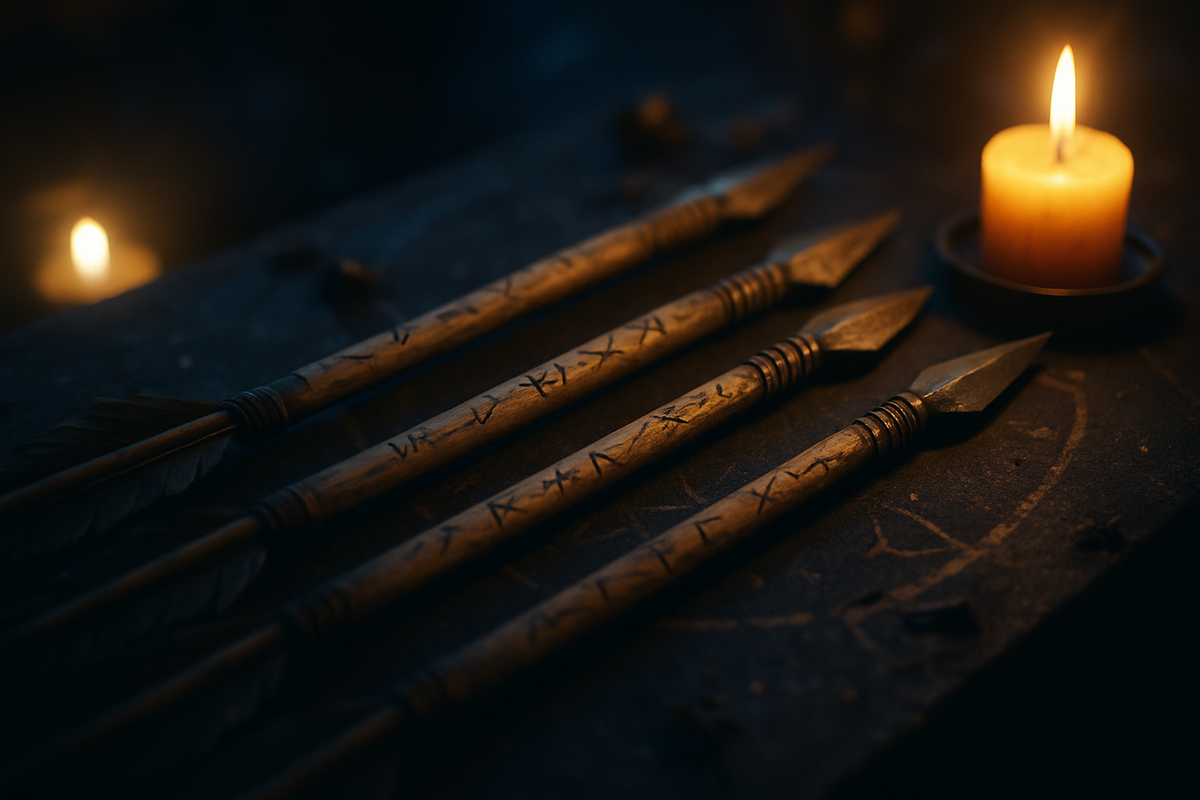
Arrow (Belomancy)
Belomancy, also known as Bolomancy, is an ancient form of divination using arrows. Practitioners would inscribe arrows with symbols or names, then shoot or toss them, and interpret the patterns or directions in which they landed. This method was believed to provide divine guidance and answers to crucial questions, serving as a conduit between the physical and spiritual worlds.
Chinese & Taoist Symbols
Chinese and Taoist symbols are deeply rooted in the philosophy and spirituality of the East. These symbols embody the principles of balance, harmony, and the interconnectedness of life and the universe.
-
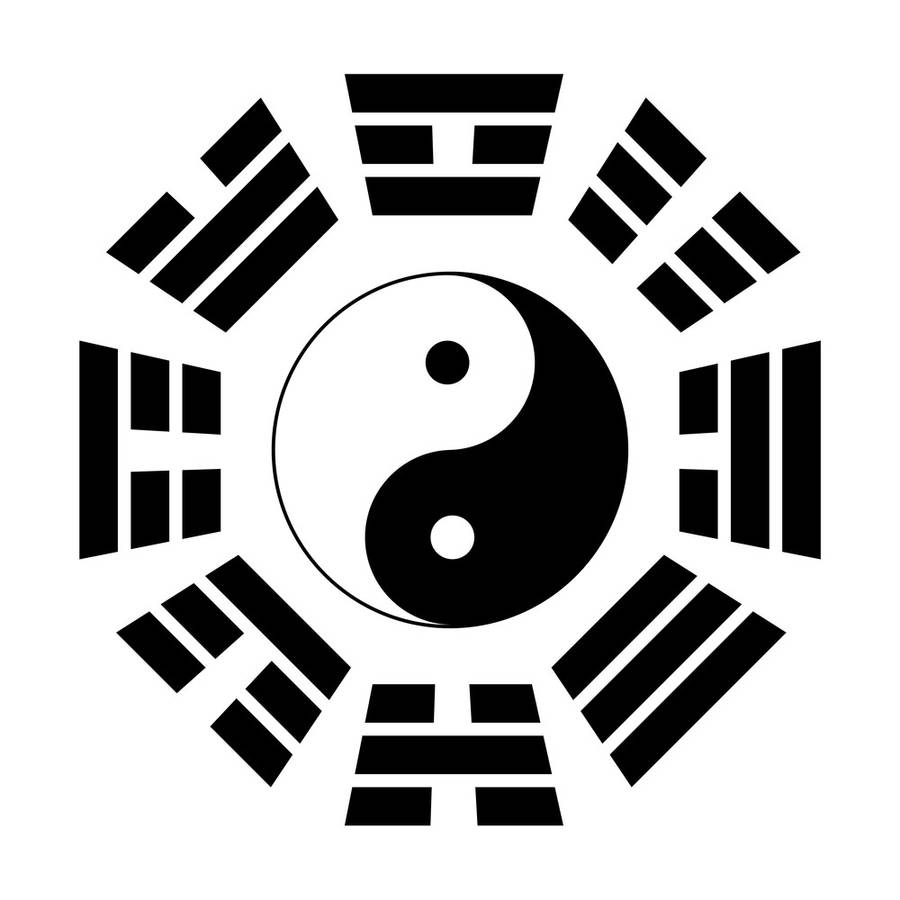
Bagua
The Bagua is a fundamental symbol in Chinese philosophy, representing the eight fundamental elements or trigrams. Each trigram corresponds to a unique set of attributes, directions, and natural phenomena. The Bagua is used in Feng Shui, martial arts, and I Ching divination, serving as a guide to understanding the dynamic balance of opposites and the flow of energy in the universe.
-
Supreme Polarity (Taijitu)
The Taijitu, commonly known as the Yin-Yang symbol, represents the principle of dualism and the interconnectedness of opposite forces. The black and white swirls symbolize Yin and Yang, depicting the harmonious and cyclical nature of life. This symbol is central to Taoist philosophy, illustrating the balance and interdependence of all things in the universe.
These symbols continue to inspire and guide individuals in their spiritual and philosophical journeys, providing a framework for understanding the complexities and mysteries of life.
Satanic & Demonology Symbols
Satanic and Demonology symbols have been variously used and misunderstood throughout history. Often associated with dark and malevolent forces, these symbols are adopted for different purposes, ranging from magical practices to modern religious expressions of Satanism.
-
Baphomet
The Baphomet is a symbolic creature that represents the sum of the universe and the balance of opposites. Often depicted as a goat-headed deity, it embodies both male and female attributes, with a caduceus representing the union of opposites. The Baphomet is not a symbol of evil, but rather a representation of the cosmic principles of balance and harmony.
-
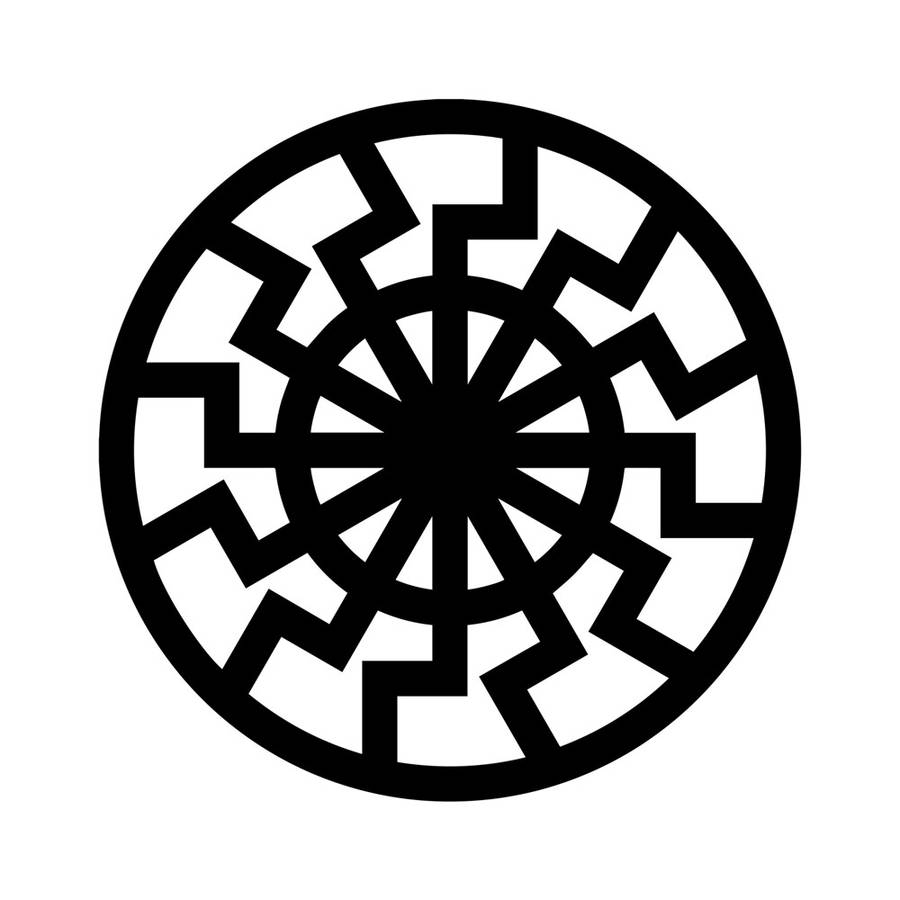
Black Sun
The Black Sun, or Schwarze Sonne, is a symbol with twelve radial sig runes. It’s often associated with esoteric Nazi mysticism and neo-Nazi occultism. However, its origins and meanings are diverse and not solely negative, as it also represents the invisible spiritual energy and the power of transformation.
-
Sigil of Baphomet
The Sigil of Baphomet is a prominent symbol of Satanism, often used by the Church of Satan. It features an inverted pentagram with a goat's head, surrounded by five Hebrew letters spelling Leviathan, a biblical sea monster. The symbol is used to represent the physical and metaphysical elements of life and the binding of the magical circle.
-
Sigil of Lucifer
The Sigil of Lucifer, or "Seal of Satan," is a symbol used to invoke the energy of Lucifer. It is not inherently evil but is a mark of identification and recognition, often used in magical practices to connect with the energy of Lucifer, who is seen by some as a symbol of enlightenment and rebellion against tyranny.
-
Septenary Sigil
The Septenary Sigil is associated with traditional Satanism and is composed of seven sigils representing the seven classical planets. It is used in magical workings related to the energies of the planets and their corresponding deities, serving as a powerful tool for invocation and meditation.
It is crucial to approach these symbols with an open mind and understanding, acknowledging their historical and cultural contexts, and the diverse ways they are interpreted and used in contemporary practices.
Alchemical Symbols
Alchemical symbols have been used since the medieval era by alchemists, who were the precursors to modern chemists. These symbols are not only a form of shorthand but also carry deep metaphysical significance, representing the alchemists’ understanding of the transformation of matter and spirit.
-
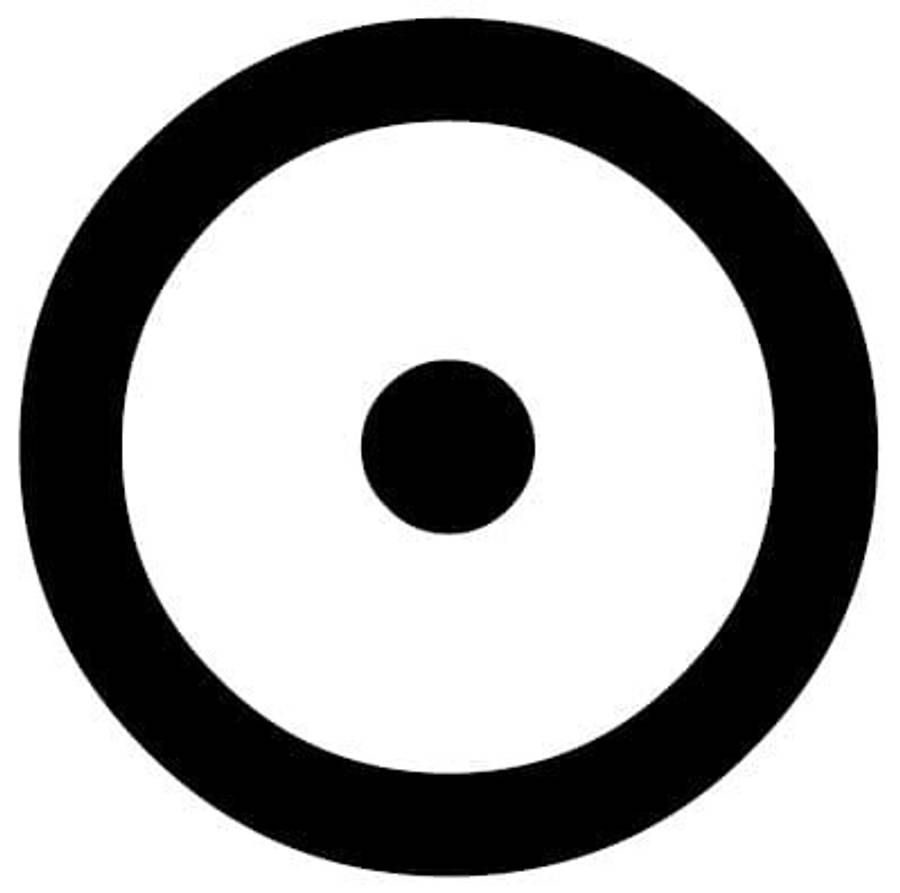
Solar Symbol
The Solar Symbol, often represented as a circle with a dot in the center, is a universal sign for the sun. In alchemy, it signifies gold, which is considered a perfect metal. The symbol also represents the divine spirit in individuals, illuminating the path of enlightenment and self-realization.
-
Squared Circle
The Squared Circle, or Squaring the Circle, is a mystical concept about the reconciliation of opposites. It represents the pursuit of the impossible, symbolizing the alchemical process of refining and perfecting matter, as well as the spiritual journey towards attaining inner wholeness.
-
Sulfur Crosses
Sulfur Crosses, or Brimstone, is a symbol combining a triangle and a cross. It represents the element of sulfur, associated with the male principle, the sun, and the destructive force of fire. In spiritual alchemy, it symbolizes the process of transformation and the integration of the four elements.
-
Sun
The Sun symbol in alchemy is associated with gold and the idea of perfection. It represents the divine light, consciousness, and life force, illuminating the darkness of ignorance and bestowing wisdom. The Sun symbol is central to many alchemical processes, embodying the pursuit of enlightenment and spiritual awakening.
These alchemical symbols encapsulate the alchemists’ quest for knowledge and spiritual transcendence, providing a rich tapestry of symbols that continue to inspire and intrigue scholars and spiritual seekers alike.
Christian Symbols
Christian symbols are significant as they represent the core beliefs and theology of Christianity. These symbols are not only integral to the Christian faith but also possess deep spiritual and historical significance, serving as visual representations of divine truths and sacred mysteries — many of which are explored further in our guide to Catholic symbols.
-
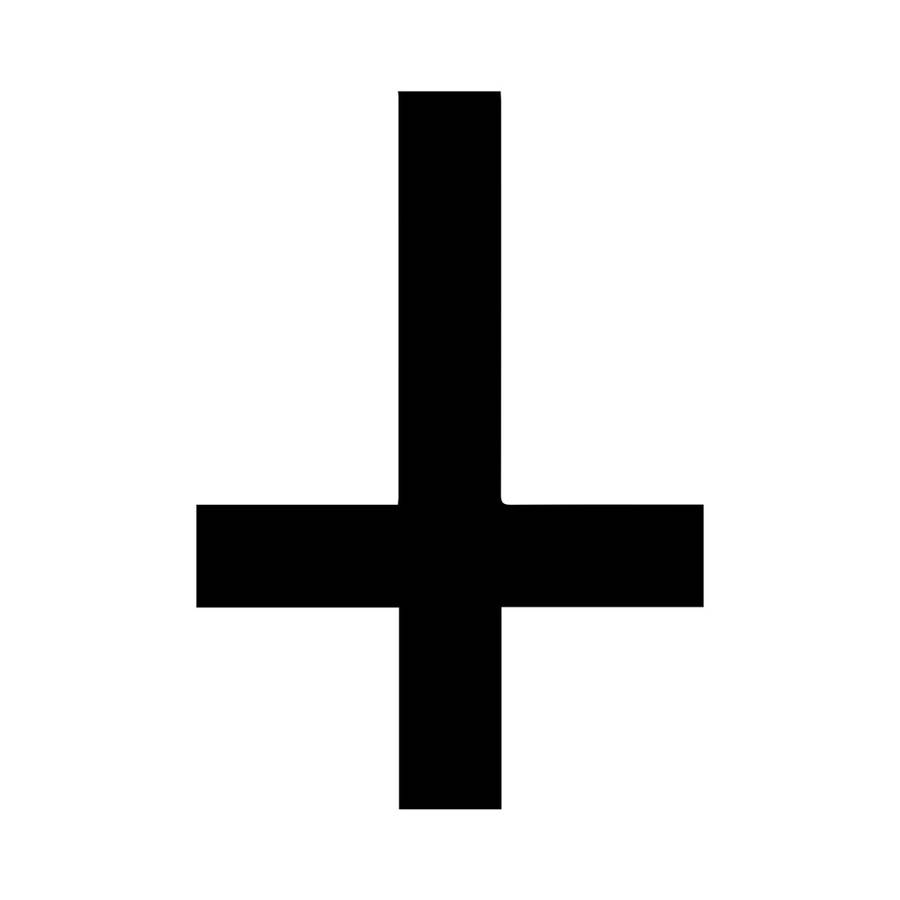
Cross of Saint Peter
The Cross of Saint Peter, also known as the inverted cross, is a Christian symbol that represents humility and martyrdom. According to tradition, Saint Peter requested to be crucified upside down, feeling unworthy to die in the same manner as Jesus Christ. This symbol is often misinterpreted but is fundamentally a sign of humility and unwavering faith.
-
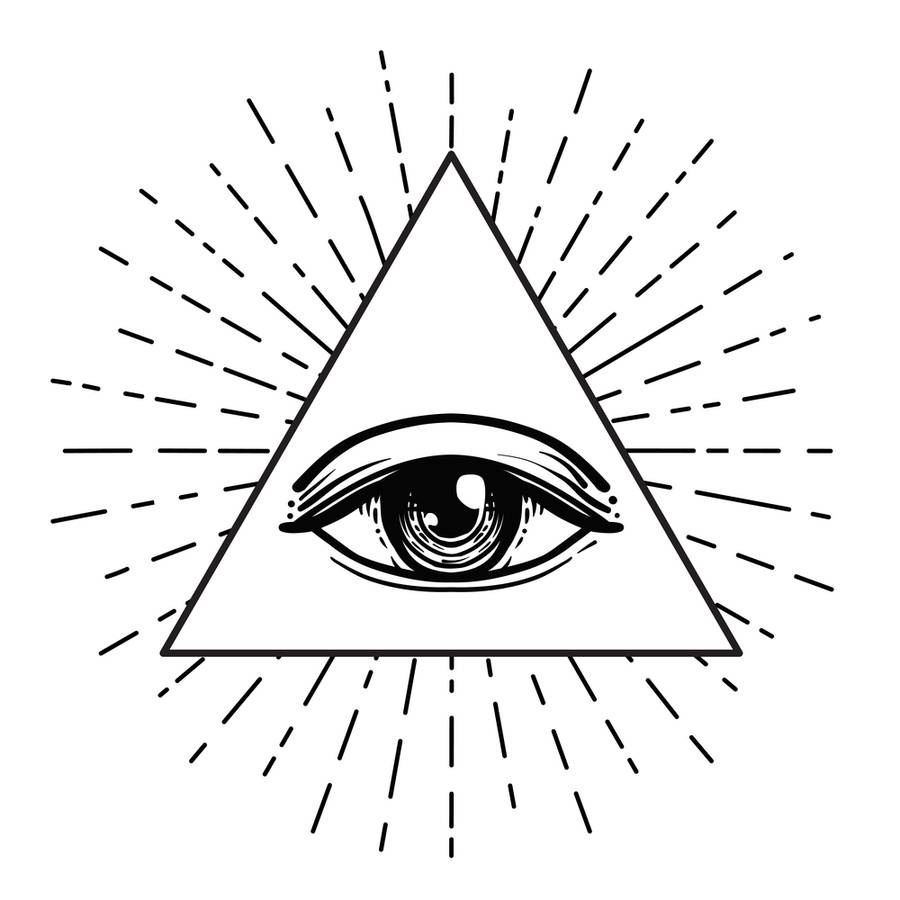
Eye of Providence (All-Seeing Eye, Eye of God)
The Eye of Providence is a powerful Christian symbol representing God's omnipresence and omniscience. Often depicted as an eye enclosed within a triangle and surrounded by rays of light, it signifies divine watchfulness over humanity. It is also a reminder of the Holy Trinity, with the triangle symbolizing the Father, Son, and Holy Spirit.
-
Sigillum Dei (Seal of God)
The Sigillum Dei, or Seal of God, is a complex symbol often associated with mystical Christian traditions. It is believed to possess protective qualities, safeguarding individuals from evil forces. The intricate design encapsulates various names and titles of God, serving as a powerful talisman and a representation of divine authority and protection.
These Christian symbols, deeply embedded in the faith’s tradition and theology, continue to inspire and guide believers, serving as visual reminders of the divine and the sacred tenets of Christianity.
Judaic & Kabbalistic Symbols
Judaic and Kabbalistic symbols are deeply rooted in Jewish mysticism, theology, and culture. These symbols not only hold spiritual significance but also embody the profound wisdom and heritage of Jewish tradition, serving as conduits of divine energy and understanding.
-
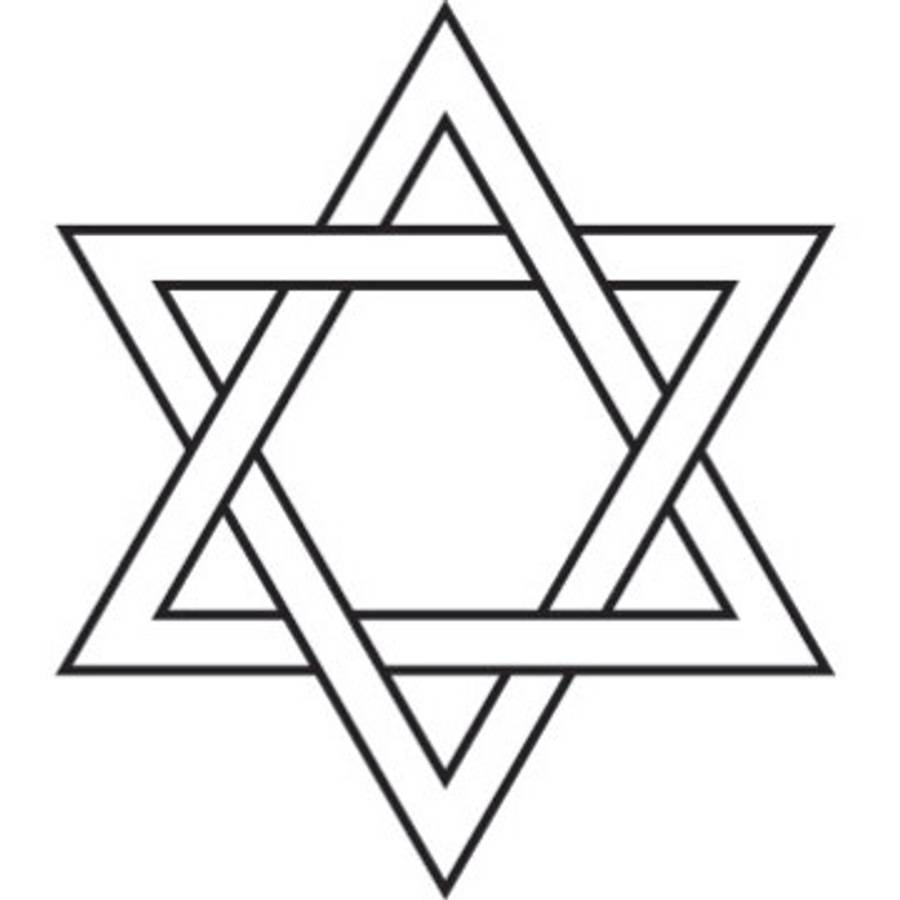
Heptagram
The Heptagram is a seven-pointed star that holds significance in various spiritual traditions, including Kabbalah. In the context of Jewish mysticism, it represents the seven days of creation and the seven lower Sephirot of the Tree of Life, signifying the connection between the divine and the mundane.
-
Hexagram
Commonly known as the Star of David, the Hexagram is one of the most recognized symbols of Judaism. It consists of two overlapping triangles, representing the connection between God and the Jewish people, as well as the union of heaven and earth. The Hexagram is often seen on synagogues and is also used in the Israeli flag.
-
Tetragrammaton
The Tetragrammaton is the four-letter name of God, written as YHWH in Hebrew. It is considered the most sacred name of God in Judaism, embodying the essence of the divine. Due to its sanctity, it is never pronounced as written; instead, it is referred to as “Adonai” or “Hashem” during prayers and readings.
-
Tree of Life (Kabbalah)
The Tree of Life is a central symbol in Kabbalah, representing the ten Sephirot or divine emanations through which God interacts with the world. It serves as a map of the spiritual landscape, guiding individuals on their path to enlightenment and connection with the divine.
These symbols are integral to understanding the depth and breadth of Jewish spiritual wisdom, providing insights into the divine and the mystical dimensions of existence as understood in Kabbalistic teachings.
Norse & Icelandic Symbols
Norse and Icelandic symbols are deeply embedded in the mythology and folklore of the Nordic people. These symbols, often associated with the Vikings, are not only emblematic of their warrior culture but also represent their beliefs, values, and understanding of the cosmos.
-
Icelandic Magical Staves
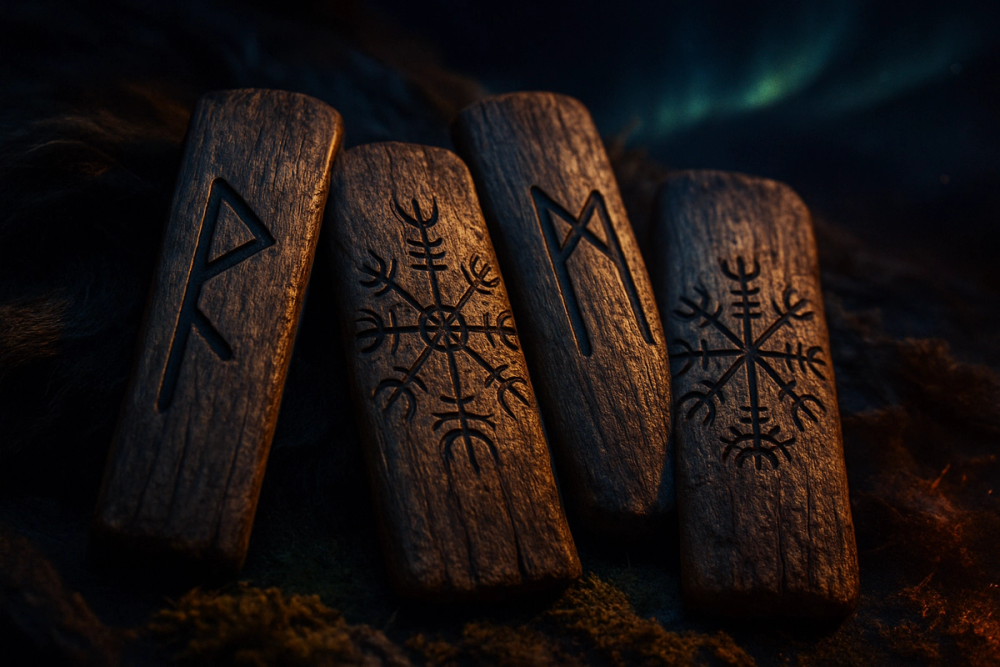
These are a series of symbols credited with magical effect preserved in various grimoires dating from the 17th century and later. Each stave has a unique purpose, such as protecting its carrier, ensuring victory in battle, or summoning wealth.
-
Runes
Runes are the letters in a set of related alphabets known as runic alphabets. These were used to write various Germanic languages before the adoption of the Latin alphabet. In a metaphysical context, each rune had a special significance and was believed to embody a particular cosmic force or principle.
Hindu Symbols
Hinduism, one of the world’s oldest religions, is rich with symbols that represent a myriad of philosophical ideas, teachings, and gods and goddesses. Each symbol within Hinduism carries deep significance and is used to enhance spiritual practice and understanding.
-
Sriramachakra
The Sriramachakra or Rama Chakra is a mystic diagram used as a tool for concentration and meditation. It consists of concentric squares and circles with numerical values assigned to different regions, often used for contemplation and understanding of the self and the universe.
-
Sri Yantra
Sri Yantra is one of the most auspicious and powerful meditation aids. It's a symbol of Hindu tantra, which is based on the Hindu philosophy of Kashmir Shaivism. The design represents the goddess in her form of Shri Lalita Or Tripura Sundari, “the beauty of the three worlds.”
-
Vishvarupa (Cosmic Man)
Vishvarupa is a cosmic form of the god Vishnu, described as containing all other gods and the entire universe. This symbol represents the idea of the divine as encompassing all things and being infinitely complex and multifaceted.
These symbols play a crucial role in understanding the complex and nuanced philosophy of Hinduism, providing devotees with visual representations of deep spiritual concepts.
Theosophical Symbols
Theosophical symbols are integral to the Theosophical Society, an organization formed in 1875 to advance Theosophy. The symbols encapsulate the society’s core philosophies and beliefs, serving as a visual representation of their spiritual and esoteric teachings.
-
Seal of the Theosophical Society
The Seal of the Theosophical Society is a symbolic emblem consisting of various religious symbols. It includes the Ankh, the Swastika, the Star of David, the Ouroboros, and the Om, all of which represent the unity of humanity and the pursuit of spiritual wisdom.
Miscellaneous Symbols
There are numerous other symbols that don’t necessarily fit neatly into one category but are nonetheless significant within the realm of the occult and esoteric traditions. These symbols are often used in various spiritual practices to represent different aspects of the mystical and the divine.
-
Monas Hieroglyphica
The Monas Hieroglyphica was created by John Dee, and is generally interpreted as representing the unity of all creation, drawing on astrological and alchemical symbolism.
-
Ouroboros
The Ouroboros is an ancient symbol depicting a serpent or dragon eating its own tail. It is often interpreted as a symbol for eternal cyclic renewal or a cycle of life, death, and rebirth — making it one of the clearest visual symbols of change across occult traditions.
-
Pentacle
A pentacle is a five-pointed star, often surrounded by a circle. It is widely used in Wicca and other modern magical traditions, serving as a protective talisman and a tool for ritual magic.
The Ouroboros is a powerful symbol that has been adopted and interpreted in various ways by different cultures and religions over the centuries. Its timeless representation of cyclicality and endless return is a universal theme found in many philosophical and spiritual traditions around the world.
-
Rose Cross
The Rose Cross is a symbol associated with a variety of mystical traditions, most notably Rosicrucianism. It consists of a cross with a red rose at its center, representing the integration of the human and the divine, as well as the unfolding of spiritual consciousness.
-
Seal of Solomon
Also known as the Star of David, the Seal of Solomon is a hexagram, a symbol of Judaism but also found in Hinduism and occult traditions. It is said to possess magical properties, often used as a protective amulet against evil forces.
-
Symbol of Chaos
The Symbol of Chaos originates from the writings of Michael Moorcock and was later adopted by chaos magicians. It consists of eight arrows in a radial pattern and is used to represent chaos, the unpredictable and the unknown.
-
Tetractys (Tetrad)
The Tetractys is a triangular figure consisting of ten points arranged in four rows. It is a mystical symbol used by the ancient Pythagoreans to represent the perfection and harmony of the universe, as well as the four classical elements.
-
Unicursal Hexagram
This is a hexagram that can be drawn in one continuous movement, often associated with occultism and Thelema, a new religious movement. It represents the union of the macrocosm and microcosm, the divine and the human.
-
Zodiac Man (Homo Signorum, or ‘Man of Signs’)
The Zodiac Man is a representation of astrological signs corresponding to different parts of the human body. It was used in medieval medicine to determine the correct timing for surgeries and treatment based on astrological influences.
Conclusion
Occult symbols have been a significant part of human history, embodying the mysteries, philosophies, and spiritualities of various cultures. These symbols serve as a language of their own, providing insight into the ancient wisdom and knowledge that have guided humanity through ages. Whether they are used for divination, protection, loyalty, or transformation, each symbol carries a unique energy and meaning that can still resonate with individuals today.
Understanding the depth and breadth of these symbols can offer a fascinating glimpse into the spiritual and mystical practices of our ancestors. It allows us to connect with the universal truths and energies that continue to influence our lives, providing guidance, wisdom, and understanding in our spiritual journey. As you explore these symbols, approach them with respect and openness, allowing their ancient wisdom to illuminate and guide your path.
FAQ
What symbols represent loyalty?
The anchor is the clearest occult and Christian symbol of loyalty, representing steadfastness and unwavering commitment. Claddagh knots and interlocking Celtic knotwork also symbolize enduring loyalty and unbreakable bonds between people.
What symbols represent change?
The Ouroboros, a serpent eating its own tail, is the definitive symbol of change and cyclical transformation. The Yin-Yang and alchemical Sun symbol also represent shifting balance and the process of refinement into a higher state.
What are symbols of betrayal?
Inverted or reversed sacred symbols, such as an inverted pentagram stripped of its protective context, are popularly associated with betrayal because flipping the sign signals a rejection of its original meaning. Broken chain motifs in folklore similarly represent broken oaths and betrayed trust.
What symbols represent deceit?
The two-faced Roman god Janus, who looks both forward and backward simultaneously, is the clearest occult symbol of deceit. Masks and forked-tongue serpents are also common esoteric symbols representing hidden intentions and false appearances.