 Know
Know
Symbols
Caduceus Meaning: History of the Winged Staff Symbol
Discover the caduceus meaning: Hermes' winged staff of two serpents, its Greek origins, medical mix-up with Asclepius, and spiritu…

In a world often marred by conflict and discord, the symbols of forgiveness stand as beacons of hope, guiding us toward healing and reconciliation. These symbols, deeply rooted in various cultures and traditions, embody the essence of forgiveness, offering a pathway to mend broken bonds and foster unity. Let us embark on a journey to explore these powerful symbols, each harboring a unique story and significance in forgiveness.
As we navigate through this article, we will delve deeper into the stories and meanings behind these symbols, fostering a richer understanding of the diverse tapestry of forgiveness symbols that grace our cultures and traditions.
In various cultures, the concept of forgiveness is often embodied by divine entities, revered for their compassion and mercy. These entities serve as a reminder of the transformative power of forgiveness, guiding individuals toward a path of healing and renewal. Let’s explore some of these divine entities and their associated symbols.
The ancient Greeks revered Eleos as the goddess of mercy and compassion. In a world where conflicts were rampant, Eleos stood as a beacon of hope, offering solace and forgiveness to those in distress. Her gentle nature and nurturing spirit have made her a timeless symbol of forgiveness, encouraging individuals to embrace compassion.
In the Eastern traditions, particularly within Buddhism, the Goddess Guan Yin is hailed as the embodiment of compassion and forgiveness. Often depicted with a serene countenance, she listens to the cries of the world, offering her grace and mercy to alleviate suffering. Her presence in art and literature is a constant reminder of the healing power of forgiveness.
The Romans worshipped Clementia as the deity of clemency and forgiveness. Her name, which translates to “gentleness” or “mercy”, encapsulates her role as a divine figure who fosters forgiveness and reconciliation. In a society governed by strict laws and hierarchies, Clementia brought a touch of humanity, encouraging individuals to practice forgiveness and understanding.
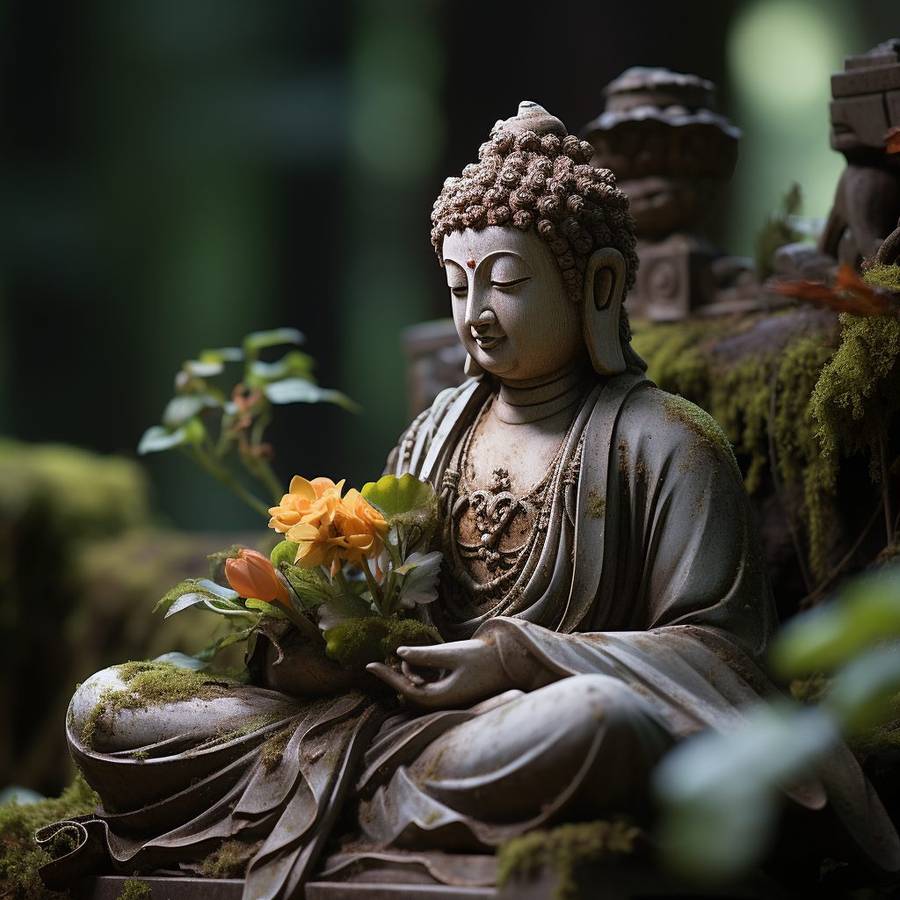
The teachings of the Buddha have always emphasized the virtues of compassion and forgiveness. As an enlightened being, Buddha encouraged his followers to let go of anger and resentment, fostering a community where forgiveness was seen as a pathway to spiritual growth and enlightenment. His teachings continue to inspire individuals to embrace a life of compassion and empathy.
In Celtic mythology, the Ceridwen Goddess is revered as a symbol of transformation and renewal. Often associated with the moon, fertility, and poetry, she embodies the transformative power of forgiveness. Her legends inspire individuals to seek personal growth through forgiveness, fostering a culture of understanding and harmony.
These divine entities, with their rich histories and profound messages, continue to inspire humanity to embrace the virtues of forgiveness and compassion, fostering a world where healing and renewal are possible.
Nature, with its vibrant flora and mesmerizing hues, often serves as a canvas illustrating the profound concept of forgiveness. From blossoms that signify grace to gemstones that resonate with healing energies, the flora around us embodies the essence of forgiveness in various forms. Let’s explore these beautiful symbols that nature has bestowed upon us.

Known as the Stone of Compassion, Rhodochrosite is a captivating gemstone with hues ranging from pink to rose red. It is believed to resonate with the heart chakra, encouraging love, compassion, and forgiveness. Many consider it a healing stone, aiding in self-forgiveness and fostering positive relationships with others.
The White Tulip, with its pristine petals, stands as a powerful symbol of forgiveness. Often used to convey a message of reconciliation, the white tulip embodies purity and understanding. Gifting a bouquet of white tulips can be a heartfelt gesture to mend fences and foster a spirit of forgiveness and new beginnings.
The Blue Hyacinth, with its vibrant clusters of flowers, is often associated with sincerity and constancy. In the language of flowers, it conveys a message of deep understanding and forgiveness. Its enchanting fragrance and striking appearance make it a popular choice for expressing heartfelt apologies and fostering reconciliation.
As the first blossoms to grace the spring, Daffodils are seen as harbingers of new beginnings. Their bright yellow petals symbolize renewal and a fresh start. In the context of forgiveness, they encourage individuals to let go of past grievances and embrace a future filled with hope and understanding.
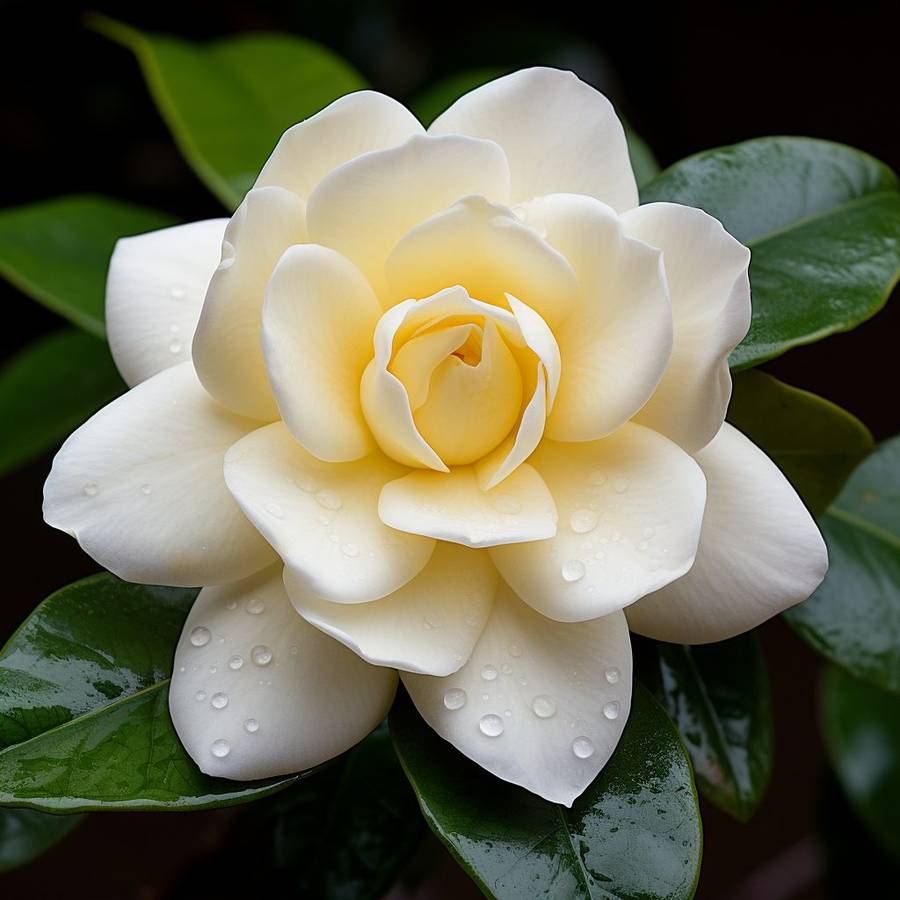
The Gardenia, with its creamy white blossoms and intoxicating fragrance, embodies grace and purity. Often used in floral arrangements to convey a message of harmony and peace, the gardenia encourages individuals to foster a spirit of forgiveness, nurturing relationships with its gentle presence.
The Hemerocallis, commonly known as the daylily, symbolizes forgiveness and forgetfulness. Each bloom lasts for just a day, reminding us of the transient nature of grievances and the importance of letting go. Its fleeting beauty encourages individuals to embrace the present moment, fostering a spirit of forgiveness and understanding.
With its vibrant green hue, Chrysoprase is a gemstone that resonates with healing energies. It is believed to open the heart chakra, encouraging compassion and forgiveness. Its soothing properties aid in healing emotional wounds, fostering a spirit of understanding and reconciliation.
Through the vibrant hues and healing energies of these natural symbols, we are reminded of the transformative power of forgiveness, fostering a world where healing and renewal are within reach.
In various cultures and traditions around the world, certain symbols and rituals hold a deep connection with the concept of forgiveness. These sacred symbols serve as a bridge, mending broken bonds and fostering a spirit of reconciliation and understanding. Let’s delve into the profound meanings and traditions associated with these symbols.
The Cross, a universal symbol deeply ingrained in various cultures, stands as a beacon of forgiveness and redemption. In Christian theology, it represents the ultimate act of forgiveness, where Jesus Christ sacrificed himself to atone for the sins of humanity. This powerful symbol encourages individuals to embrace forgiveness, offering a path to healing and spiritual growth.
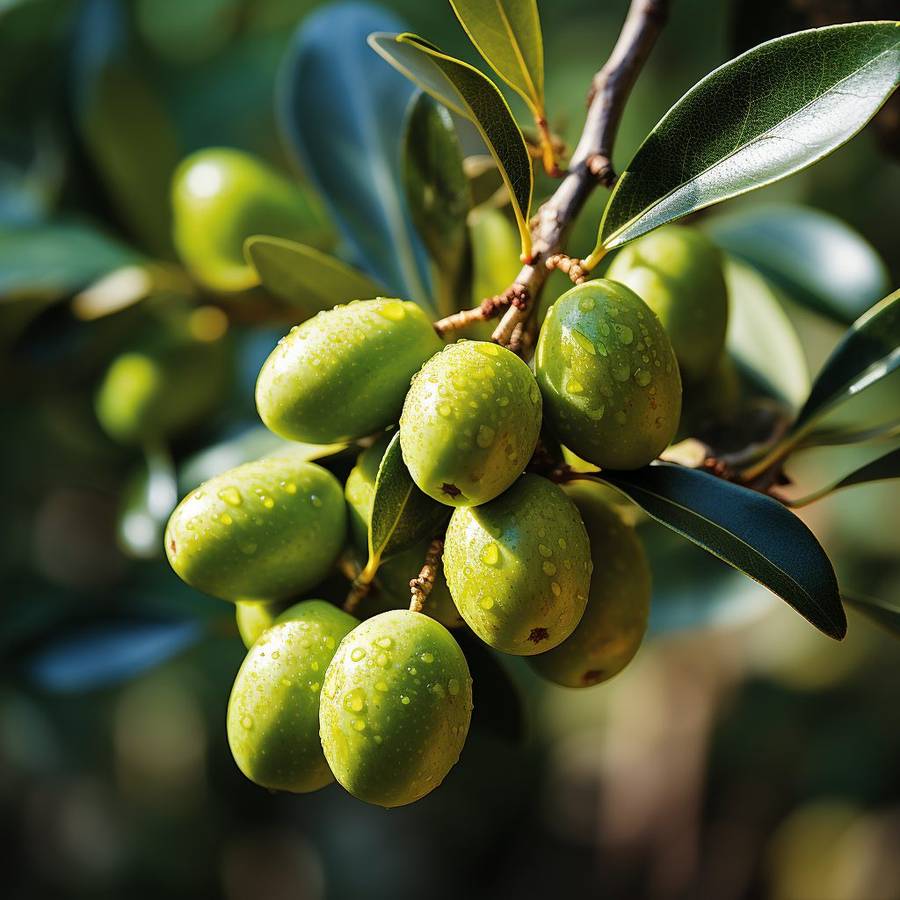
Offering an Olive Branch has been a timeless gesture of peace and reconciliation. This ancient symbol, rooted in Greek mythology and biblical traditions, represents a sincere offer of forgiveness and a hope for harmonious relations. Its gentle nature encourages individuals to mend broken bonds, fostering a spirit of unity and understanding.
The Mpatapo, a symbol from the Akan people of Ghana, represents reconciliation, peacemaking, and forgiveness. This intricate knot symbolizes the binding nature of life, emphasizing the importance of harmony and unity. It serves as a reminder to resolve conflicts amicably, fostering a spirit of forgiveness and mutual respect.
In Polish tradition, the Christmas Wafer, or Oplatek, holds a special place in the celebration of Christmas. Families gather to break this blessed wafer, offering each other wishes of peace and forgiveness. This heartfelt ritual fosters a spirit of unity and reconciliation, bringing families closer during the festive season.
The Ketupat, a traditional Indonesian dish often served during Eid al-Fitr, symbolizes renewal and forgiveness. This culinary tradition encourages individuals to cleanse their hearts, offering forgiveness and seeking reconciliation with others. It marks a time of renewal, where individuals come together to celebrate unity and harmony.
Through these sacred symbols and rituals, we witness the profound depth of forgiveness, a virtue that binds humanity together, fostering a world of peace and harmony.
In the vast tapestry of nature, certain animals have come to embody the spirit of forgiveness, offering messages of compassion, peace, and grace. These gentle creatures remind us to embrace the virtues of kindness and forgiveness. Let’s explore the profound symbolism associated with these animal messengers.

The humble Sparrow, often overlooked in its simplicity, carries a profound message of compassion and kindness. It is seen as a bearer of joy and love in various cultures, encouraging individuals to nurture a forgiving heart. Its presence reminds us to approach life gently, fostering connections built on understanding and empathy.
The image of a Dove carrying an Olive Branch is a universal sign of peace and forgiveness. This iconic symbol, deeply rooted in biblical and ancient traditions, embodies a message of hope and reconciliation. The dove encourages us to let go of grudges and embrace a path of forgiveness, fostering a world where peace prevails.
The vibrant Ladybug, with its distinctive red and black markings, is often considered a harbinger of joy and forgiveness. It is seen as a lucky charm in various cultures, bringing happiness and positive transformations. Its presence encourages individuals to embrace forgiveness, fostering a spirit of joy and light-heartedness.

The graceful Deer, with its gentle demeanor, stands as an emblem of gentleness and grace. It symbolizes a compassionate heart in various spiritual traditions, encouraging individuals to approach life with kindness and understanding. Its gentle nature serves as a reminder to embrace forgiveness, fostering relationships built on love and mutual respect.
These animal messengers, with their gentle and compassionate nature, encourage us to foster a spirit of forgiveness, paving the way for a harmonious and peaceful world.
Colors and gestures have been powerful mediums to convey deep emotions and sentiments since immemorial. In the realm of forgiveness, certain colors and gestures have come to symbolize healing, unity, and reconciliation. Let’s delve into the profound meanings behind these symbols of forgiveness.
In many cultures, holding hands is a powerful gesture of unity and reconciliation. It signifies a bond beyond words, embodying a spirit of togetherness and understanding. Holding hands with someone can be a silent yet potent way to express forgiveness, fostering a connection that heals and nurtures.
The gesture of clasped hands often symbolizes forgiveness and friendship. It signifies mutual respect and understanding, fostering a bond that transcends grievances. This gesture encourages individuals to let go of past hurts and embrace a future built on friendship and mutual respect, paving the way for healing and reconciliation.
The color blue, with its soothing and calming properties, has often been associated with forgiveness. It encourages individuals to foster a spirit of calmness and understanding, facilitating the process of healing and reconciliation. This tranquil hue inspires a serene approach to life, encouraging individuals to embrace forgiveness as a pathway to peace and harmony.
The Heart Chakra, located at the center of the chest, is often seen as the epicenter of love and forgiveness. In various spiritual traditions, it is believed to be the space where love, compassion, and forgiveness reside. By nurturing a balanced heart chakra, individuals can foster a spirit of unconditional love and forgiveness, paving the way for healing and personal growth.
Through these healing colors and gestures, we are encouraged to embrace a path of forgiveness, fostering a world built on love, understanding, and mutual respect.
In the journey of forgiveness, some symbols stand as resilient pillars, offering strength and guidance. These symbols, deeply rooted in nature and spirituality, remind us of the grace and mercy of forgiving. Let’s explore these resilient symbols that guide us in the path of forgiveness.

The majestic Oak Trees, with their deep roots and towering presence, are often seen as symbols of strength and forgiveness. In various cultures, they represent resilience, stability, and nobility. The oak tree teaches us the importance of standing tall with grace, even in adversity, fostering a spirit of forgiveness and understanding. Its sturdy branches remind us to extend our arms in forgiveness, nurturing bonds that are built on strength and mutual respect.
In the celestial realm, the Haziel Angel is revered as the guardian of mercy and forgiveness. Often invoked in times of conflict and misunderstanding, Haziel encourages individuals to embrace a spirit of compassion and empathy. This angelic guardian teaches us the profound beauty of forgiving others, fostering a space where healing and reconciliation can flourish. Haziel’s guidance reminds us of the divine grace that forgiveness brings, paving the way for harmonious relationships and personal growth.
These resilient symbols serve as gentle reminders of the strength and grace in forgiveness, guiding us toward a path of healing and renewal.
Embarking on the journey of forgiveness is a profound and transformative experience. Through the lens of various symbols, we are guided towards a deeper understanding of the essence of forgiveness. These symbols, ranging from the nurturing flora to the celestial guardians, serve as beacons of light, illuminating the path of reconciliation and healing.
As we navigate the complexities of human relationships, these symbols remind us of the grace and compassion at the heart of forgiveness. They encourage us to embrace a spirit of understanding, fostering connections built on empathy and mutual respect.
As we conclude this exploration, let us carry forward the wisdom and insights gained, nurturing a spirit of forgiveness that transcends boundaries and fostering a world united in love and harmony.
Some common symbols of forgiveness include the olive branch, the cross, and the white tulip, among others. These symbols often represent peace, reconciliation, and a new beginning.
These symbols can be incorporated into daily life through various means such as art, jewelry, or even in meditation and mindfulness practices. They serve as gentle reminders to cultivate a spirit of forgiveness and compassion in our interactions.
Yes, these symbols can indeed aid in personal growth. By reflecting on the meanings and messages conveyed by these symbols, individuals can foster a deeper understanding of the values of forgiveness and empathy, which can lead to personal transformation and growth.
As we step forward in our journey, may these symbols of forgiveness be our guiding lights, leading us toward a path of healing, understanding, and universal love.
Discover the caduceus meaning: Hermes' winged staff of two serpents, its Greek origins, medical mix-up with Asclepius, and spiritu…

Discover what the Om symbol truly means—its Hindu, Buddhist, and Jain roots, dream symbolism, and how to use it in daily life.

Discover what the compass symbolizes across cultures — from spiritual guidance and moral direction to finding your true life purpo…