 Know
Know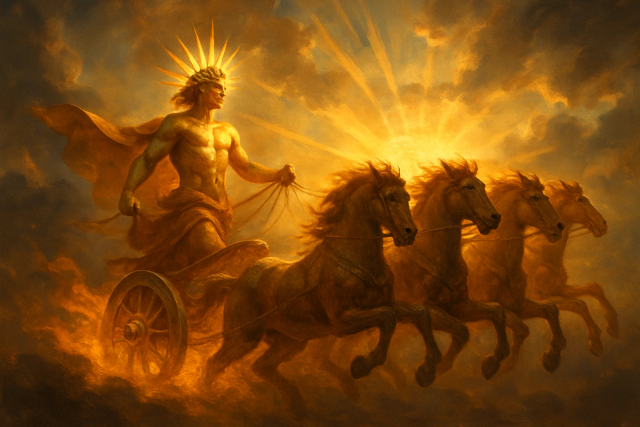
Greek Mythology
Helios: The Titan God of the Sun in Greek Myth
Discover Helios, the Greek Titan sun god who drove his blazing chariot across the sky—his myths, symbols, and spiritual meaning ex…
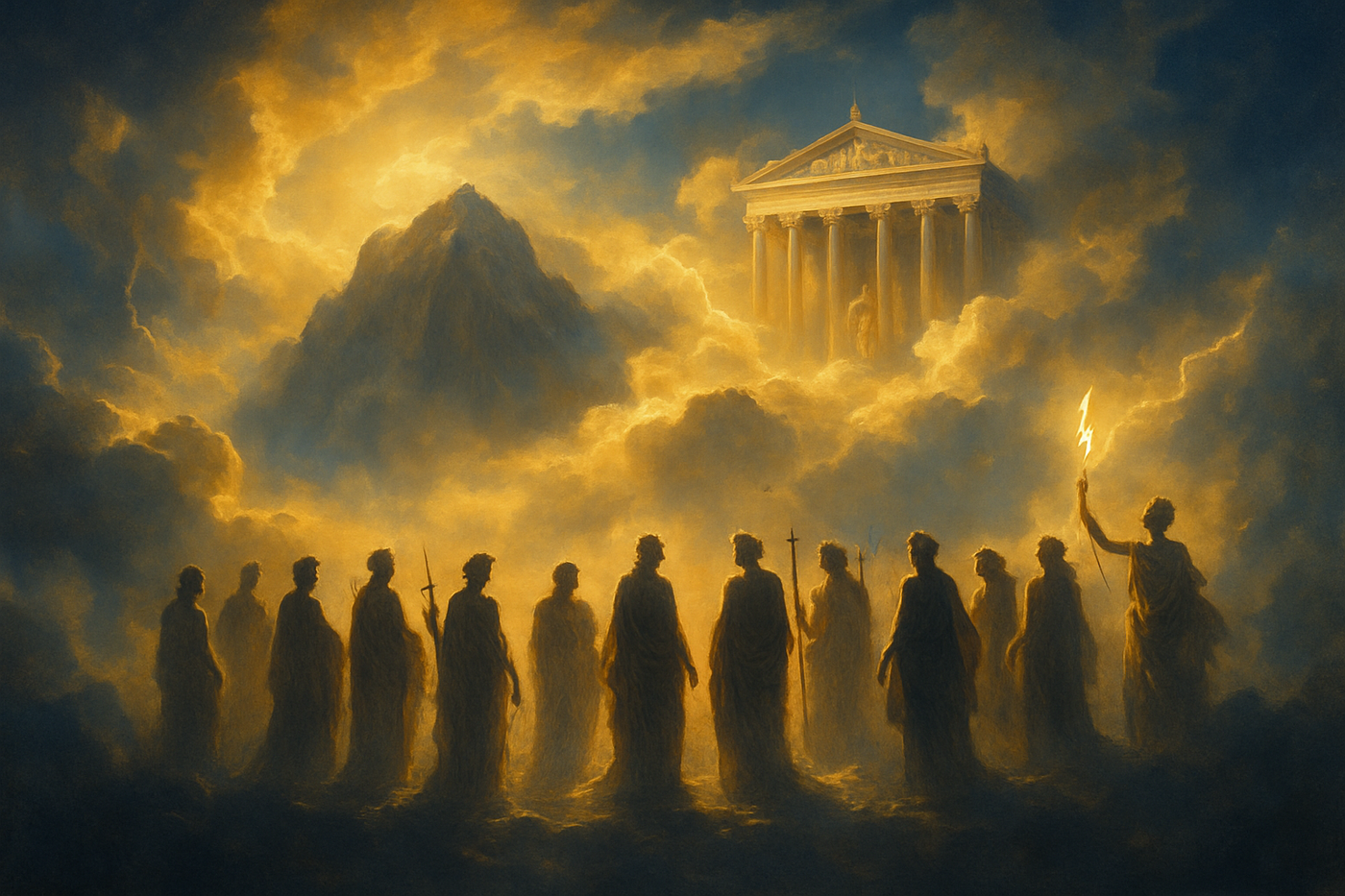
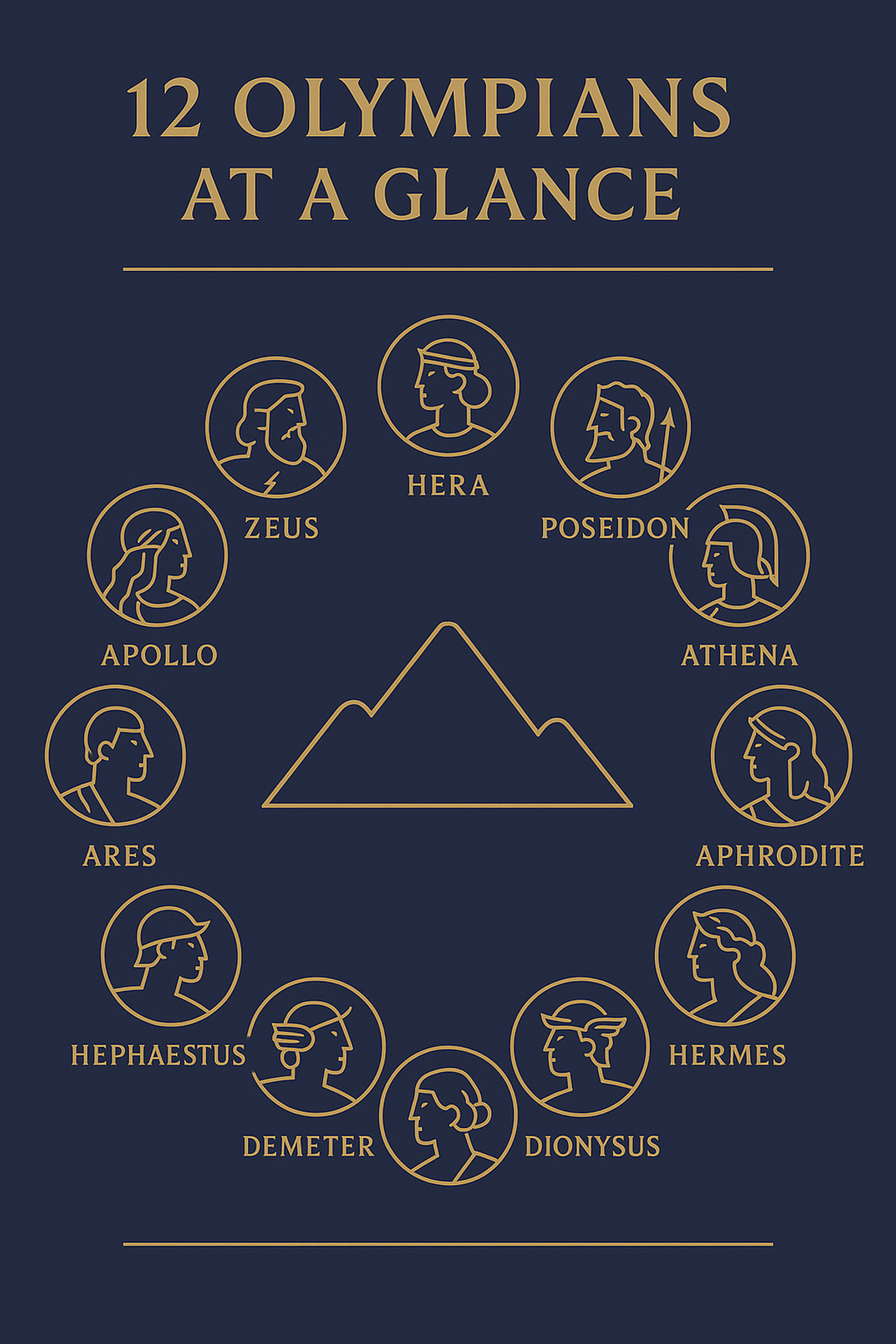
The Greek gods are the deities of ancient Greek mythology, led by the twelve Olympians — Zeus, Hera, Poseidon, Demeter, Athena, Apollo, Artemis, Ares, Aphrodite, Hephaestus, Hermes, and Dionysus — who ruled from Mount Olympus over both mortals and the cosmos. Alongside them stood older Titans, primordial beings born from Chaos itself, and nature spirits like nymphs and muses. This guide covers the full Greek gods list: names, symbols, domains, family ties, and how they shaped Western culture.
Jump to a section:
Of all the figures in the Greek gods and goddesses names list, none are more iconic than the Twelve Olympians. Believed to reside atop Mount Olympus, these deities oversaw the affairs of mortals and the cosmos alike. The table below is your quick-reference Greek gods list — each name paired with their title and domain — before we explore each one in depth.
| Deity | Title and Domain |
|---|---|
| Zeus | King of the Gods |
| Hera | Queen of the Gods |
| Poseidon | Ruler of the Seas |
| Demeter | Goddess of the Harvest |
| Athena | Goddess of Wisdom |
| Apollo | God of Music and Prophecy |
| Artemis | Goddess of the Hunt |
| Ares | God of War |
| Aphrodite | Goddess of Love and Beauty |
| Hephaestus | God of the Forge |
| Hermes | Messenger of the Gods |
| Dionysus | God of Wine |
While Zeus is often associated with thunderbolts and stormy skies, his emblem of sovereignty is the Aegis – a protective shield or cloak, often bearing the head of Gorgon. It was a symbol of his protection and might, ensuring the order of the cosmos and the safety of gods and mortals alike.
The rich tapestry of Greek mythology offers countless tales and attributes related to these divine overseers. Let's further explore the nature and stories of the first trio from the Olympian pantheon.
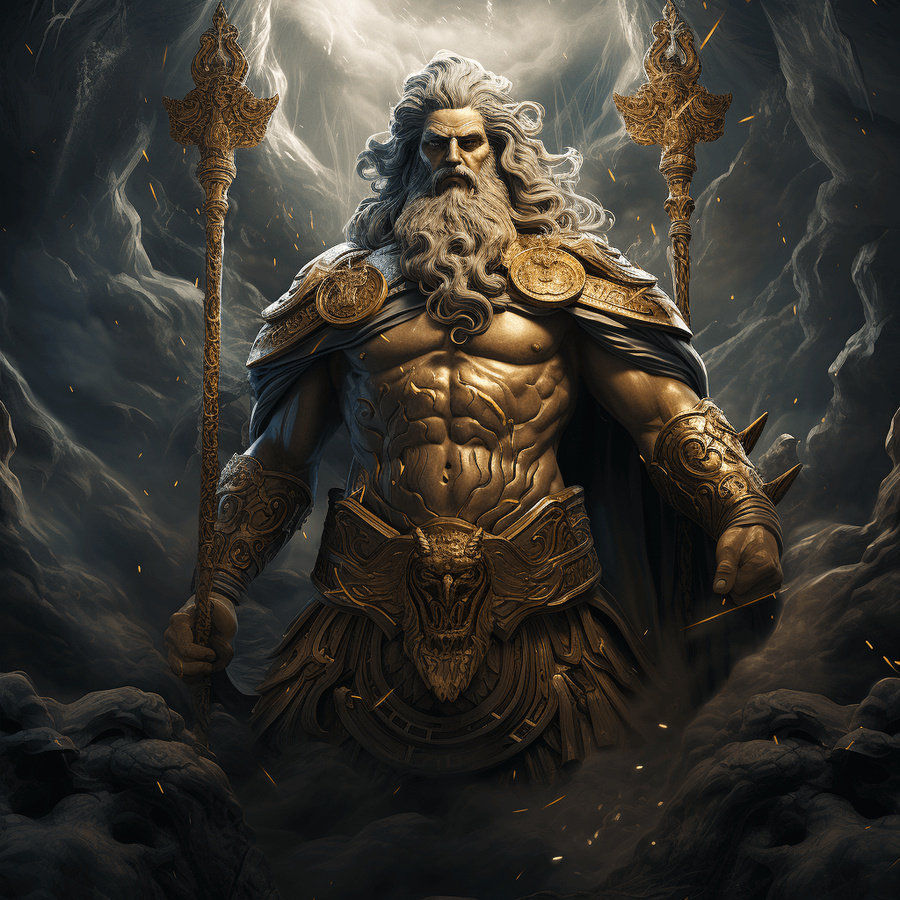
Zeus, the youngest son of the Titans Cronus and Rhea, rose to power after overthrowing his father. He is often depicted holding a lightning bolt and is associated with the sky, justice, and law. Married to Hera, Zeus had numerous liaisons with both mortals and immortals, resulting in a plethora of offspring, including Athena, Apollo, Artemis, and Hercules. As the chief god, he presided over the divine and mortal realms, ensuring order and meting out justice when needed.
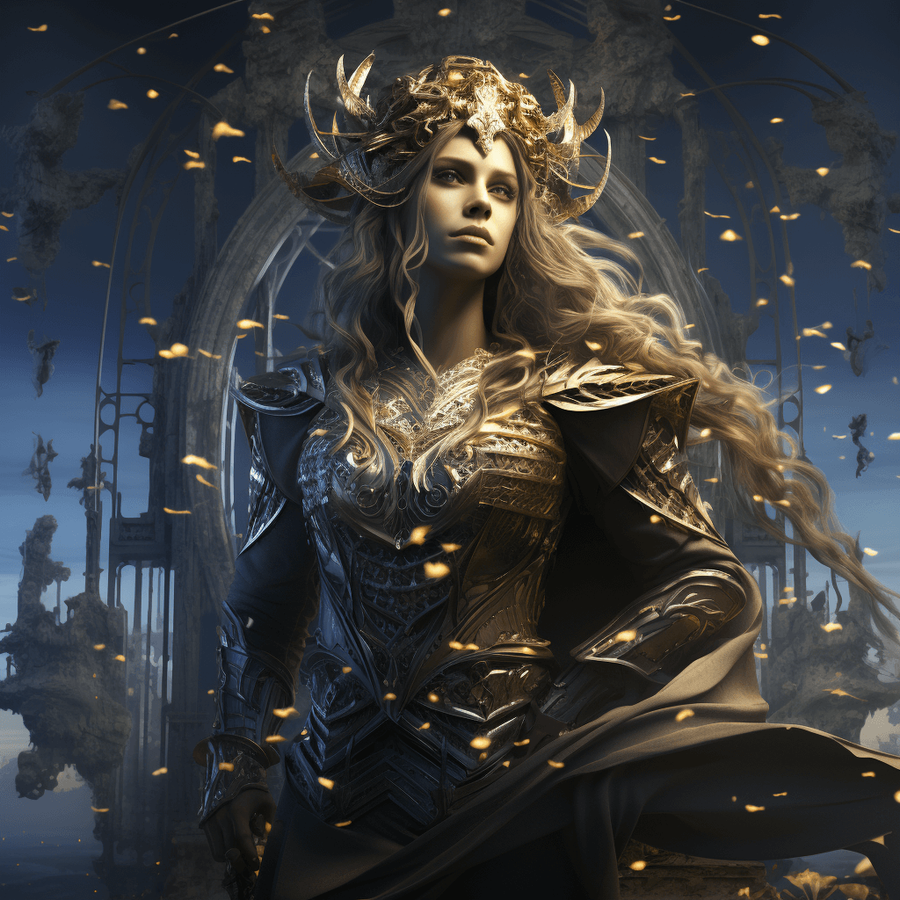
The sister and wife of Zeus, Hera is the goddess of marriage, childbirth, and women. She is often portrayed as a dignified and regal figure, but her mythology is filled with tales of jealousy and revenge, especially targeting Zeus's lovers and illegitimate offspring. Notably, she played a significant role in the trials of Hercules and the events of the Trojan War. As the queen of the gods, she commanded great respect and reverence, with the peacock being one of her prominent symbols due to its beauty and association with pride.
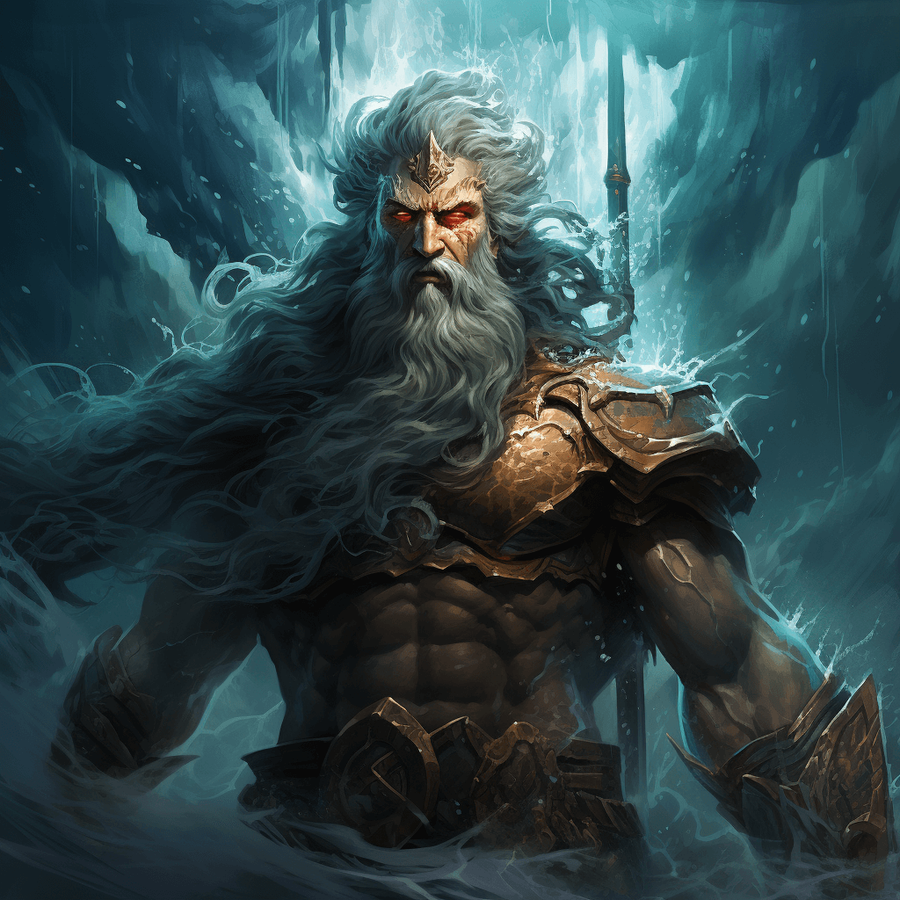
Poseidon, another sibling of Zeus, wielded the trident and ruled over the vast oceans. Apart from being the god of the sea, he was also linked to earthquakes and horses. His temperament, much like the sea he governed, could shift from calm to stormy in an instant. One of his most notable myths involves the city of Athens. In a contest with Athena to become the city's patron deity, Poseidon struck the ground with his trident, producing a spring of salty water, while Athena offered the olive tree. The city chose Athena's gift, but Poseidon's impact on Greek mythology remains vast and deep.
Poseidon's trident was crafted by the Cyclopes, ancient beings who played a pivotal role in the Titanomachy, aiding Zeus and his siblings in their battle against the Titans. This trident was a symbol of his power, allowing him to create storms, calm waters, and even cause earthquakes on land
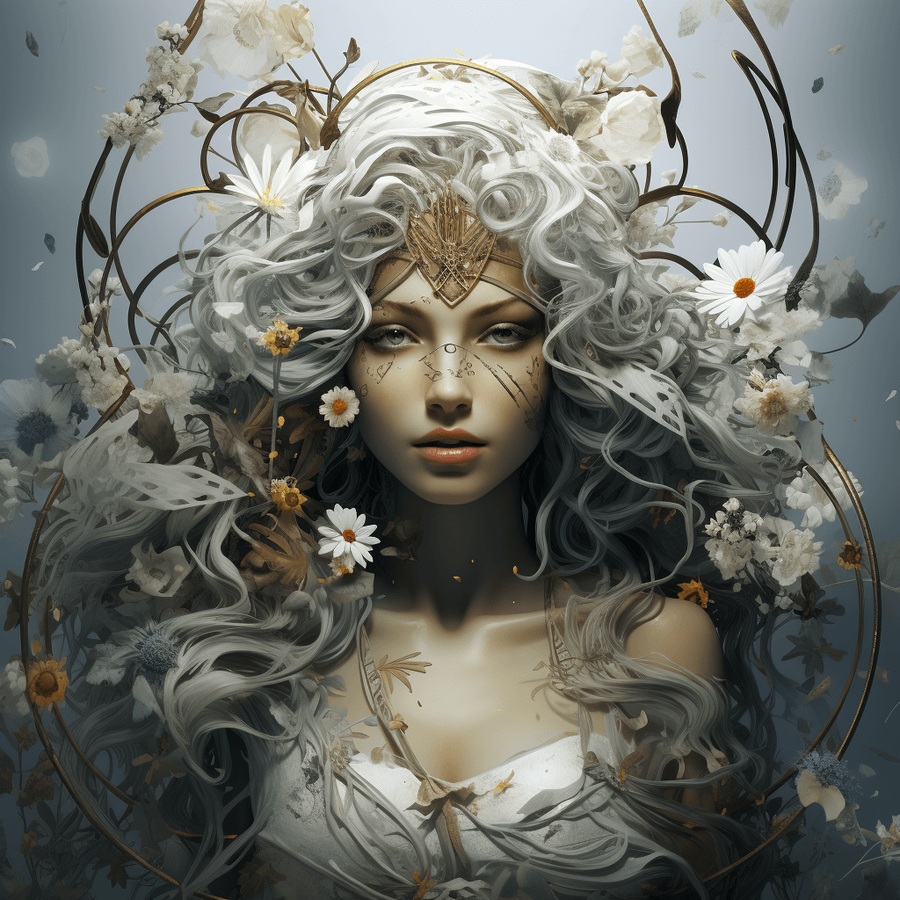
Demeter is deeply intertwined with the rhythms of the earth, governing agriculture, grain, and the seasons. Her bond with her daughter, Persephone, is central to her mythology. When Hades abducted Persephone to the Underworld, a heartbroken Demeter withdrew her blessings from the world, leading to barren fields and a withered earth. Only upon Persephone's partial return did the world bloom again, giving rise to the seasons. The Eleusinian Mysteries, an ancient Greek ritual, was dedicated to Demeter and Persephone, celebrating life, death, and rebirth.
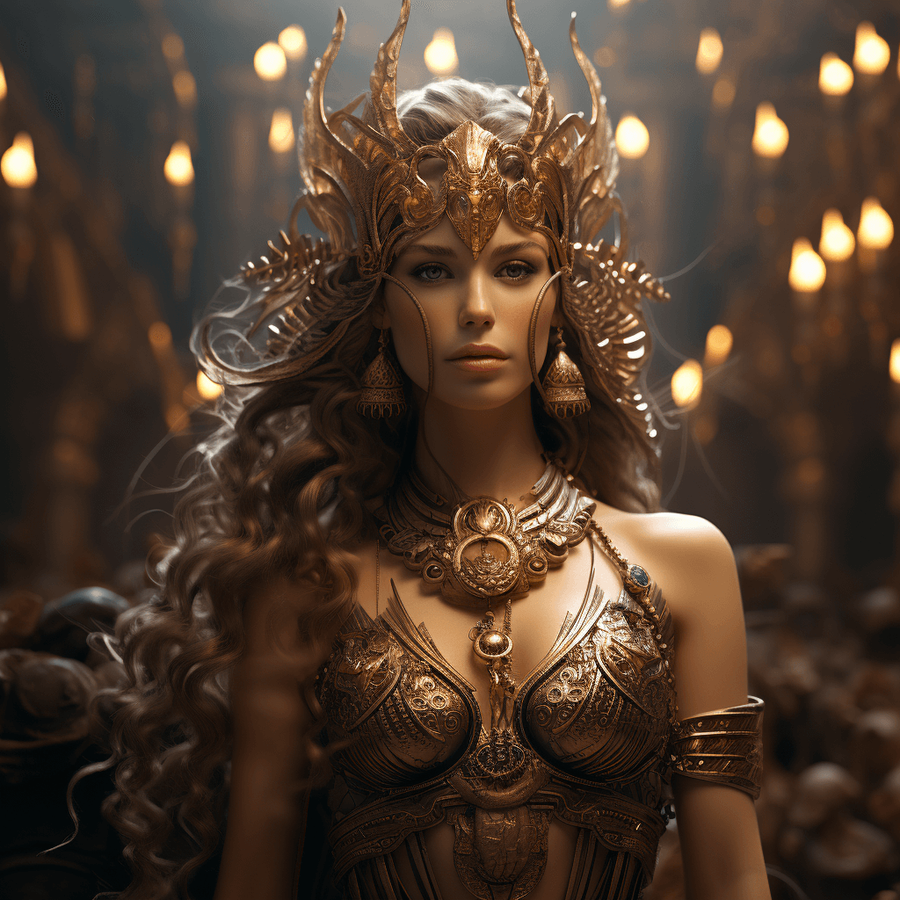
Born fully armored from the forehead of Zeus, Athena is the virgin goddess of wisdom, warfare, and strategy. She stands as a protector of civilized life, handcrafts, and agriculture. Despite being a war deity, Athena's battles were more of intellect and strategy rather than sheer force. The city of Athens, named in her honor after her gift of the olive tree bested Poseidon's salt spring, stands testament to her importance in Greek culture. Depicted with her shield, spear, and the Aegis, she is often accompanied by an owl, symbolizing wisdom.
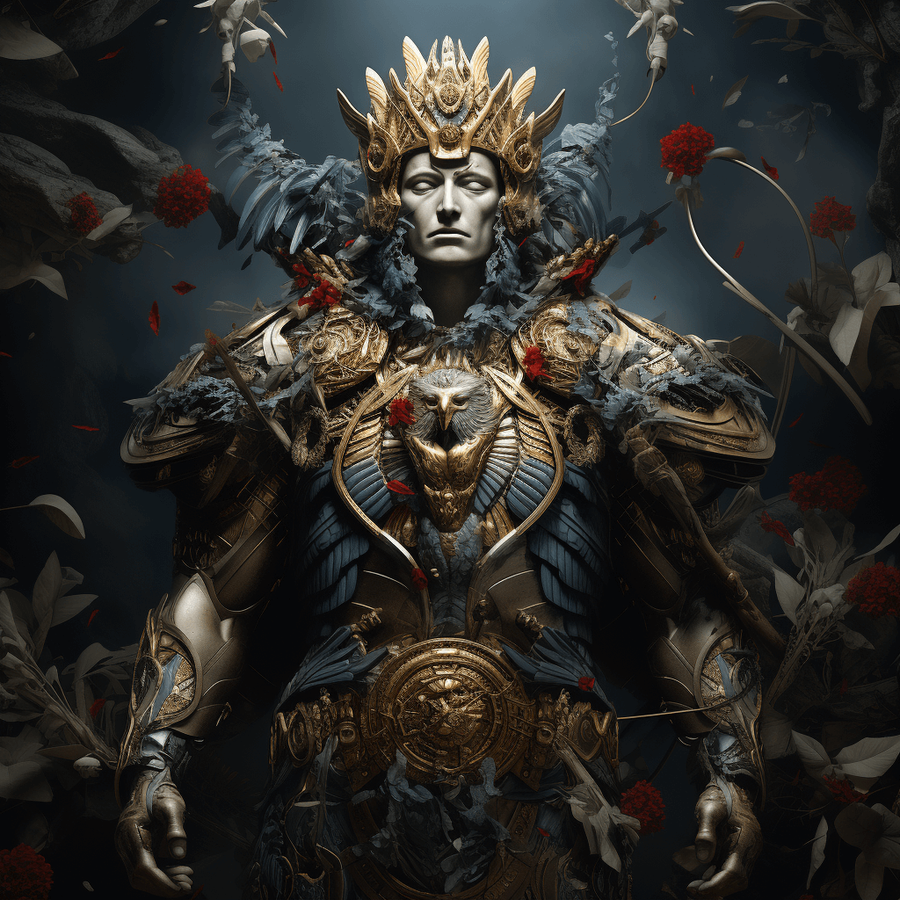
Son of Zeus and the Titaness Leto, Apollo is a multi-faceted deity. As the god of music, he is often seen with the lyre, which he played masterfully. In the realm of prophecy, he presided over the Oracle of Delphi, a major site of divination in ancient Greece. Apollo is also associated with healing and the sun, making him a deity of immense influence and range. However, like many gods, he had a dual nature. While he brought healing and prophecy, he could also bring forth plague and was known for his swift retribution against those who defied him or his loved ones.
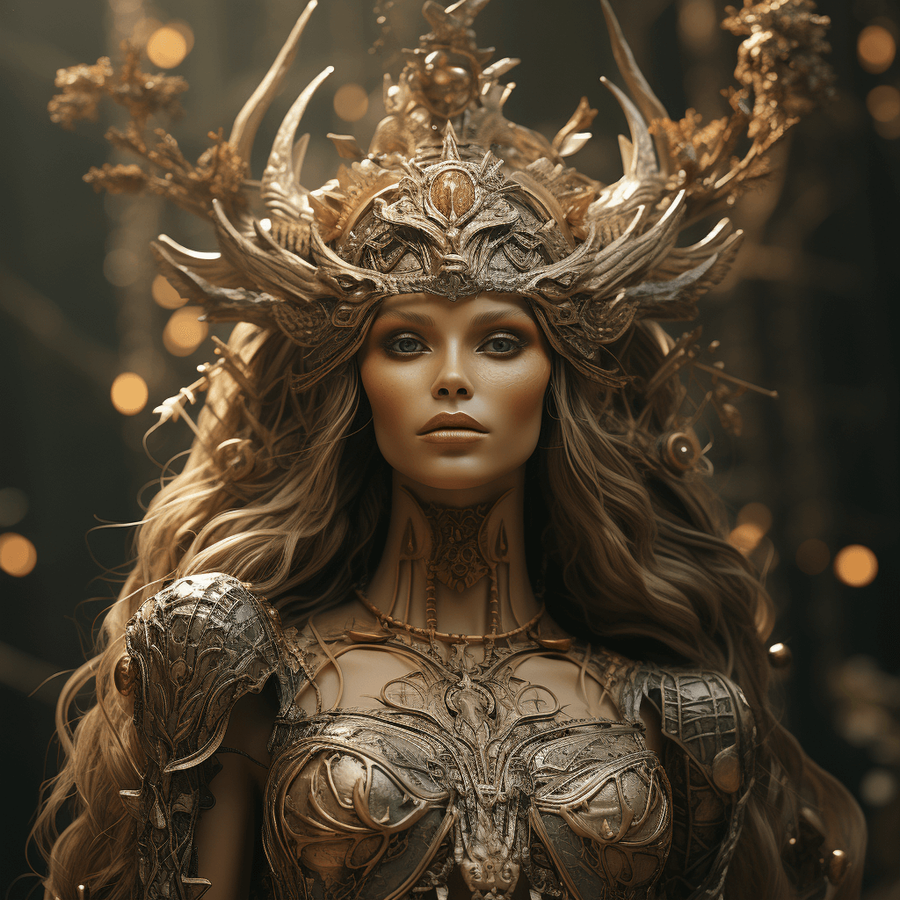
Artemis, twin sister to Apollo, is the virgin goddess of the hunt, wilderness, and childbirth. She is often depicted with a bow and quiver of arrows, roaming the forests accompanied by a group of nymphs and wild animals. Protector of young girls and animals, Artemis also oversaw childbirth, owing to the legend of her assisting in the birth of her twin, Apollo, just moments after her own birth. Her sacred animal is the deer, and she fiercely protected her purity, often punishing those who sought to defile her or her followers.
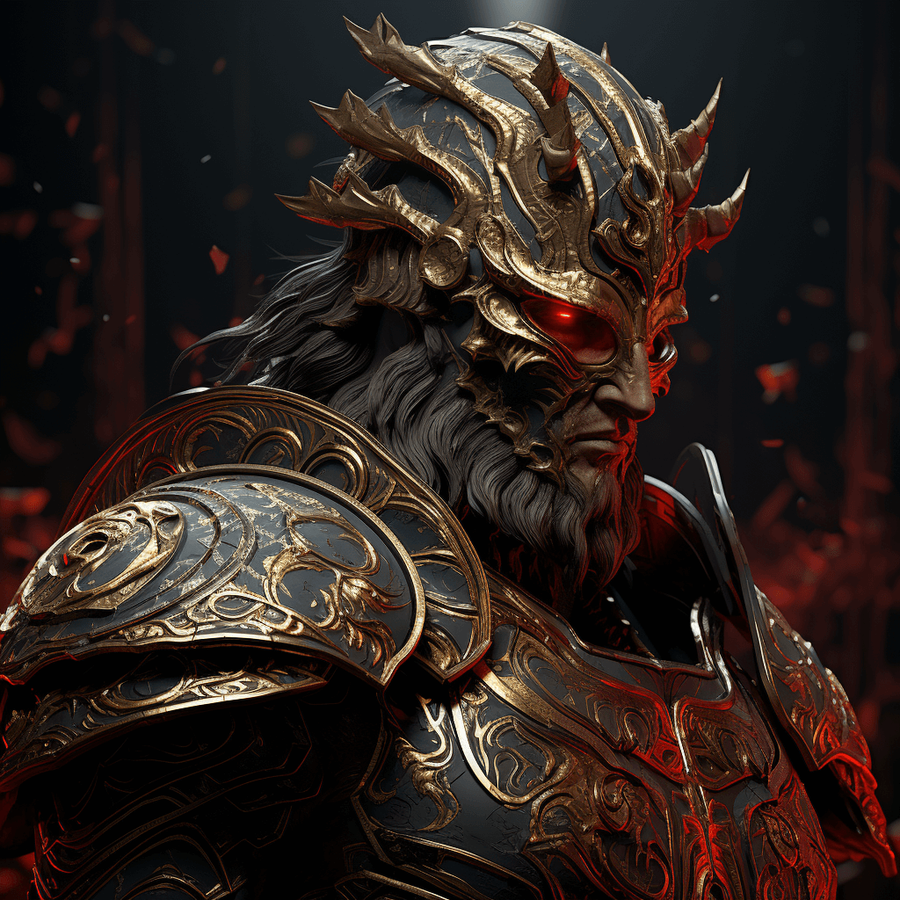
Representing the brutal and violent aspects of warfare, Ares is a stark contrast to Athena's strategic and intellectual approach to war. While not one of the most beloved gods in the pantheon, his impact on the mythos is undeniable. Often accompanied by his sons, Phobos (Fear) and Deimos (Terror), Ares was both feared and revered for his raw power and strength. Despite his fierce nature, he had a tumultuous love affair with Aphrodite, the goddess of love, producing several offspring including Eros, the god of love and desire.
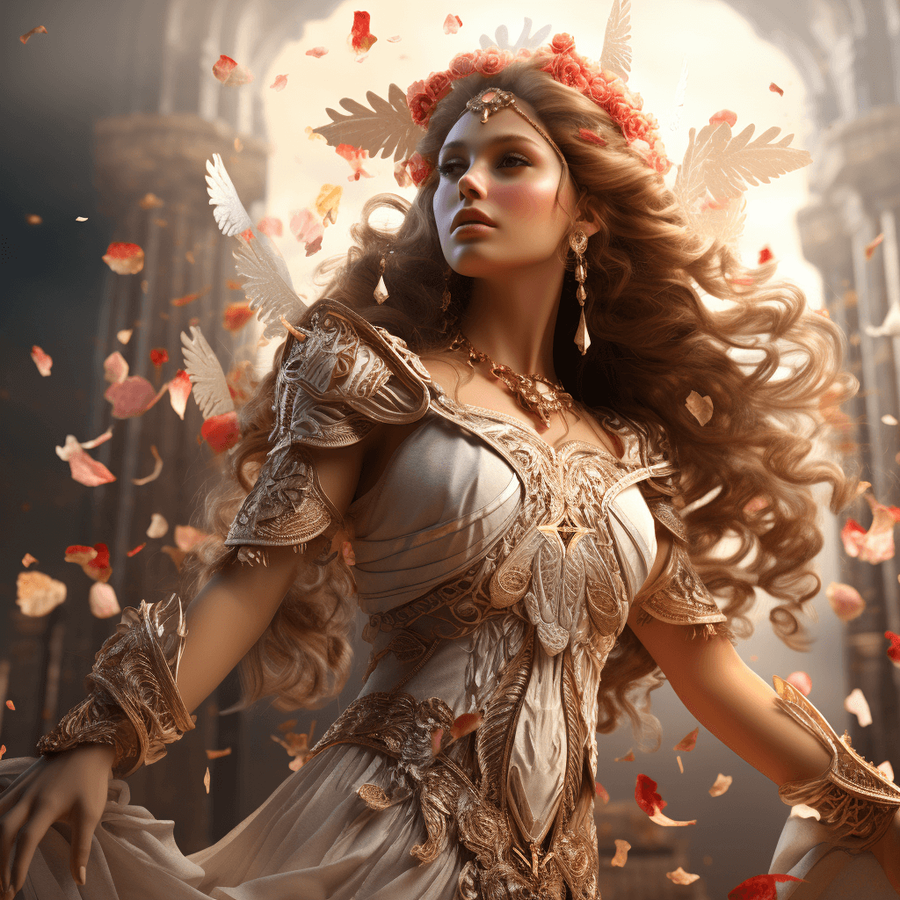
Born from the foam of the sea after Cronus castrated Uranus and cast his parts into the ocean, Aphrodite is the embodiment of beauty, love, and desire. She possessed a magical girdle that made everyone fall in love with its wearer. Her affairs and relationships are numerous, spanning gods and mortals alike. The most famous of her mortal lovers was Adonis, a beautiful youth whose tragic death brought sorrow to Aphrodite. Additionally, her involvement in the Trojan War, through the judgment of Paris, set the stage for one of the most epic conflicts in mythological history.
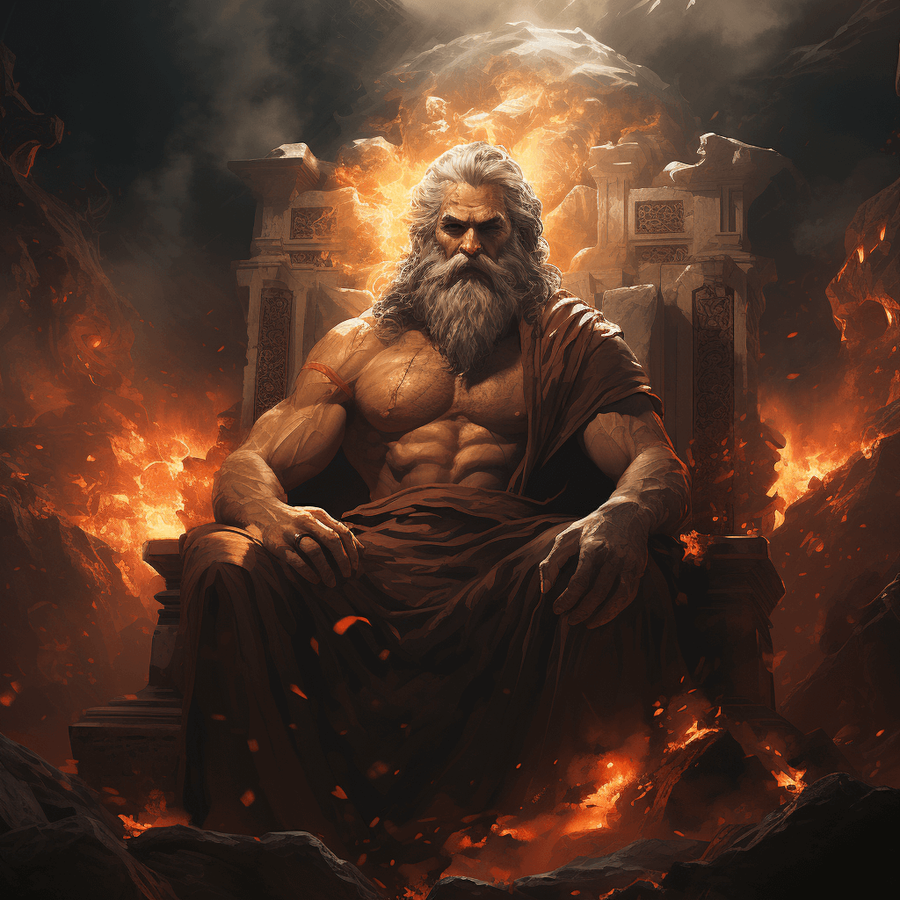
The master blacksmith and craftsman of the gods, Hephaestus was worshipped in both Athens and the island of Lemnos. Despite being the only Olympian with a physical disability, he crafted some of the most famed items in Greek mythology, including Zeus's thunderbolt, Hermes' winged sandals, and Aphrodite's magical girdle. Married to Aphrodite, their union was often tested by her numerous affairs. Nonetheless, Hephaestus's skill and craftsmanship were unparalleled, earning him a revered place among the gods.
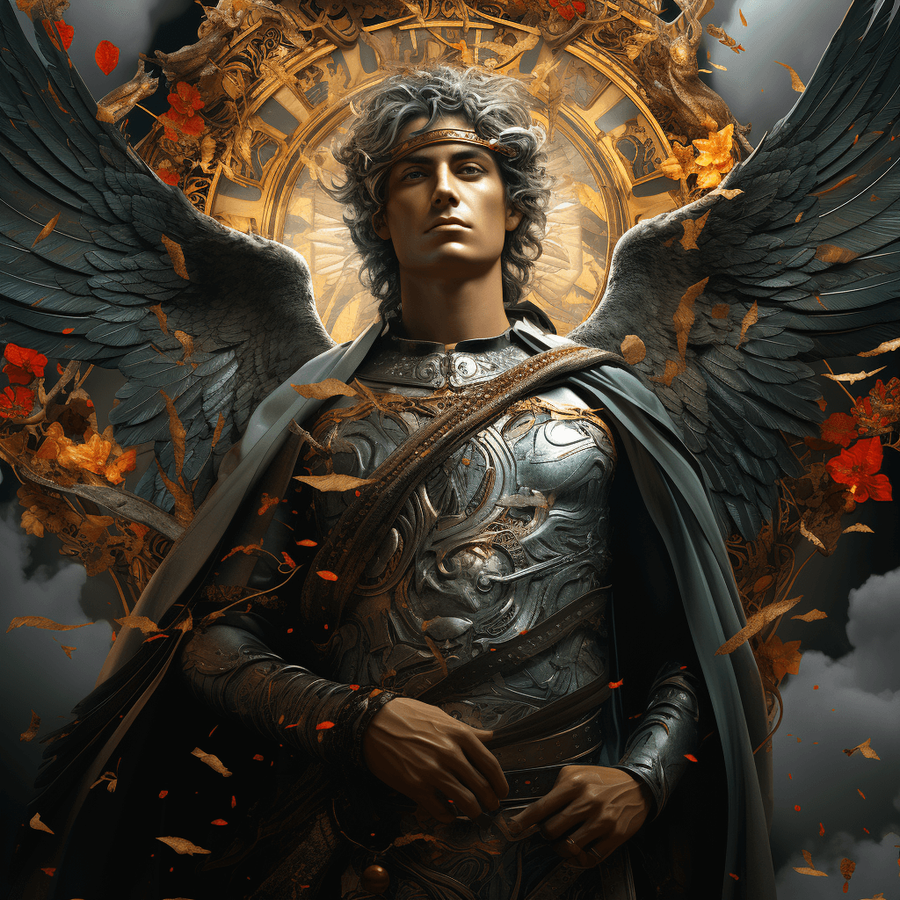
Quick-witted and fleet-footed, Hermes served as the messenger of the gods and the protector of travelers, merchants, and thieves. Often depicted with winged sandals and a caduceus (a staff entwined with two serpents), he played various roles in Greek mythology. He guided the souls of the dead to the Underworld and was the only god besides Hades and Persephone allowed to leave it freely. A jack of all trades, Hermes also introduced mortals to music by inventing the lyre, which he later gave to Apollo.
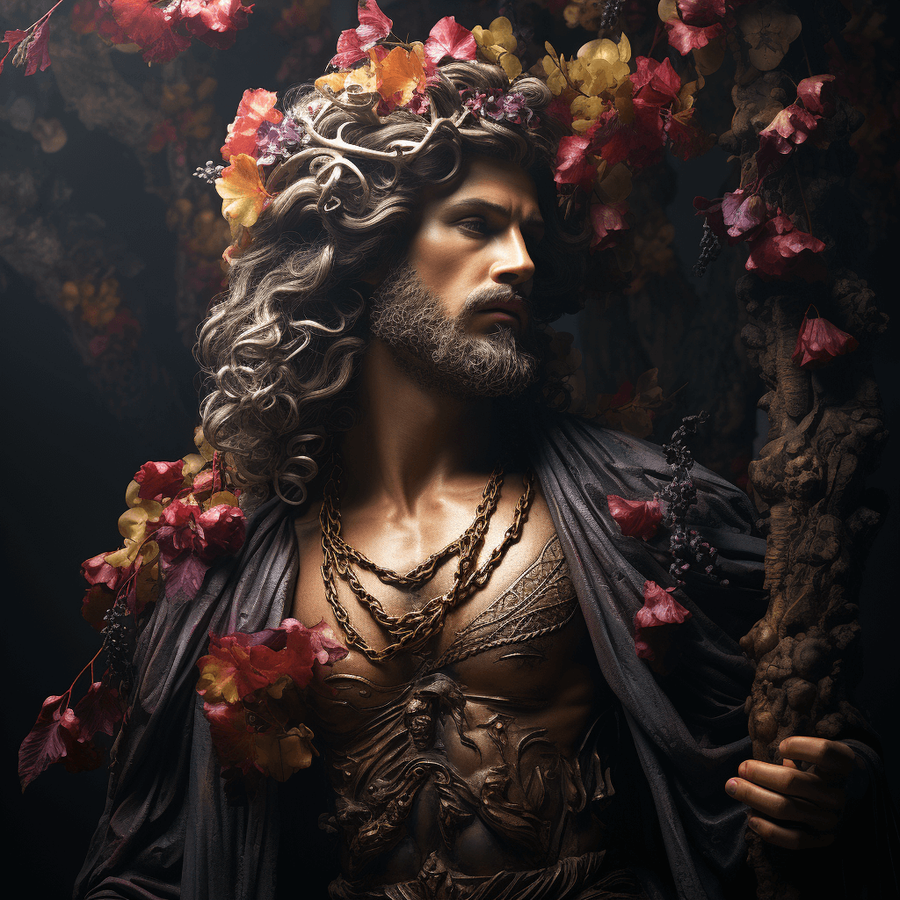
Dionysus, the last to be accepted into Mt. Olympus, represented the intoxicating power of wine, as well as its social and beneficial effects. He is also the god of theatre and ritual madness. Traveling the world to spread the joy of wine, he encountered resistance and established his mysteries to share his symbolic resurrection from death. With festivals like the Dionysia, ancient Greeks celebrated the god with theatre performances and revelries, acknowledging both the joy and the destructive power of wine.
One of the most common questions after learning the Greek gods list is how each deity maps onto Roman mythology. While the core domains stayed largely the same, the Romans renamed nearly every Olympian to fit their own pantheon.
| Greek God | Roman Counterpart | Shared Domain |
|---|---|---|
| Zeus | Jupiter | King of the Gods |
| Hera | Juno | Marriage and Family |
| Poseidon | Neptune | The Sea |
| Demeter | Ceres | Harvest and Agriculture |
| Athena | Minerva | Wisdom and Strategy |
| Apollo | Apollo | Music, Sun, and Prophecy |
| Artemis | Diana | The Hunt and Moon |
| Ares | Mars | War |
| Aphrodite | Venus | Love and Beauty |
| Hephaestus | Vulcan | The Forge and Fire |
| Hermes | Mercury | Messages and Travel |
| Dionysus | Bacchus | Wine and Revelry |
The roots of Greek mythology delve deep into the cosmos, where the primordial deities held sway. Before the Olympians, Titans, or even the grand tales of heroic mortals, there were the fundamental forces of the universe—beings who emerged at the dawn of existence. Let's journey back to a time when the universe was still young and unravel the mysteries of these ancient gods.
| Deity | Description |
|---|---|
| Chaos | Often described as the vast void or abyss from which everything originated, Chaos is the first primordial entity. Not merely an empty space, Chaos represents the unordered and infinite expanse of mass and gases, a realm of potentialities, from which all things would come into existence. |
| Gaia | The personification of Earth, Gaia is the ancestral mother of all life. Rising from Chaos, she became the foundation for everything. From her union with Uranus, she birthed the Titans, and her influence can be felt in every corner of the natural world. Her protective instincts towards her children led to several key events in Greek mythology. |
| Uranus | The primordial sky god, Uranus was both Gaia's son and consort. Representing the vast heavens, he enveloped Gaia, creating the union of Earth and Sky. However, his reign was marred by his fear of being overthrown, leading him to imprison several of his offspring deep within Gaia, setting the stage for a gripping tale of rebellion and retribution. |
| Nyx | Emerging from the shadowy corners of Chaos, Nyx, draped in the veil of night, holds dominion over dreams, sleep, and even death's gentle touch. So powerful was she that even Zeus, the mightiest of Olympians, hesitated to incur her wrath. Her lineage encompasses various aspects of night and its accompanying mysteries. |
Long before the Olympians ascended Mount Olympus and assumed their divine roles, the world was under the reign of the Titans. Born from the union of Gaia and Uranus, these colossal beings governed the ancient cosmos — an earlier branch of the Greek mythology family tree. Their tales are rife with power struggles, love, and betrayals, setting the foundation for many mythological stories that would follow. Let's dive into the tales of the most eminent Titans and their influence on Greek mythology.
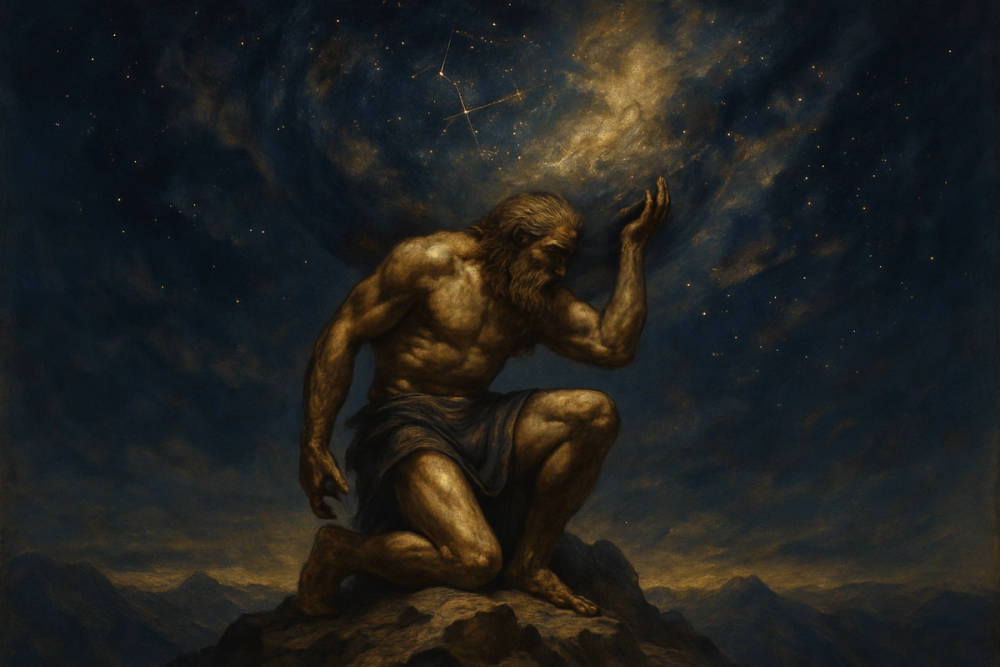
While the primary Olympian deities often overshadow their counterparts in popular narratives, there are many lesser-known gods and goddesses who played equally crucial roles in Greek mythology. These deities, though perhaps not as frequently celebrated in mainstream stories, were revered, worshipped, and represented vital aspects of ancient Greek life and culture. Let's illuminate some of these often-overlooked figures.
"Even in the shadows, these lesser-known deities radiate tales of love, duty, and the intricate tapestry of mythology that has shaped cultures for millennia."
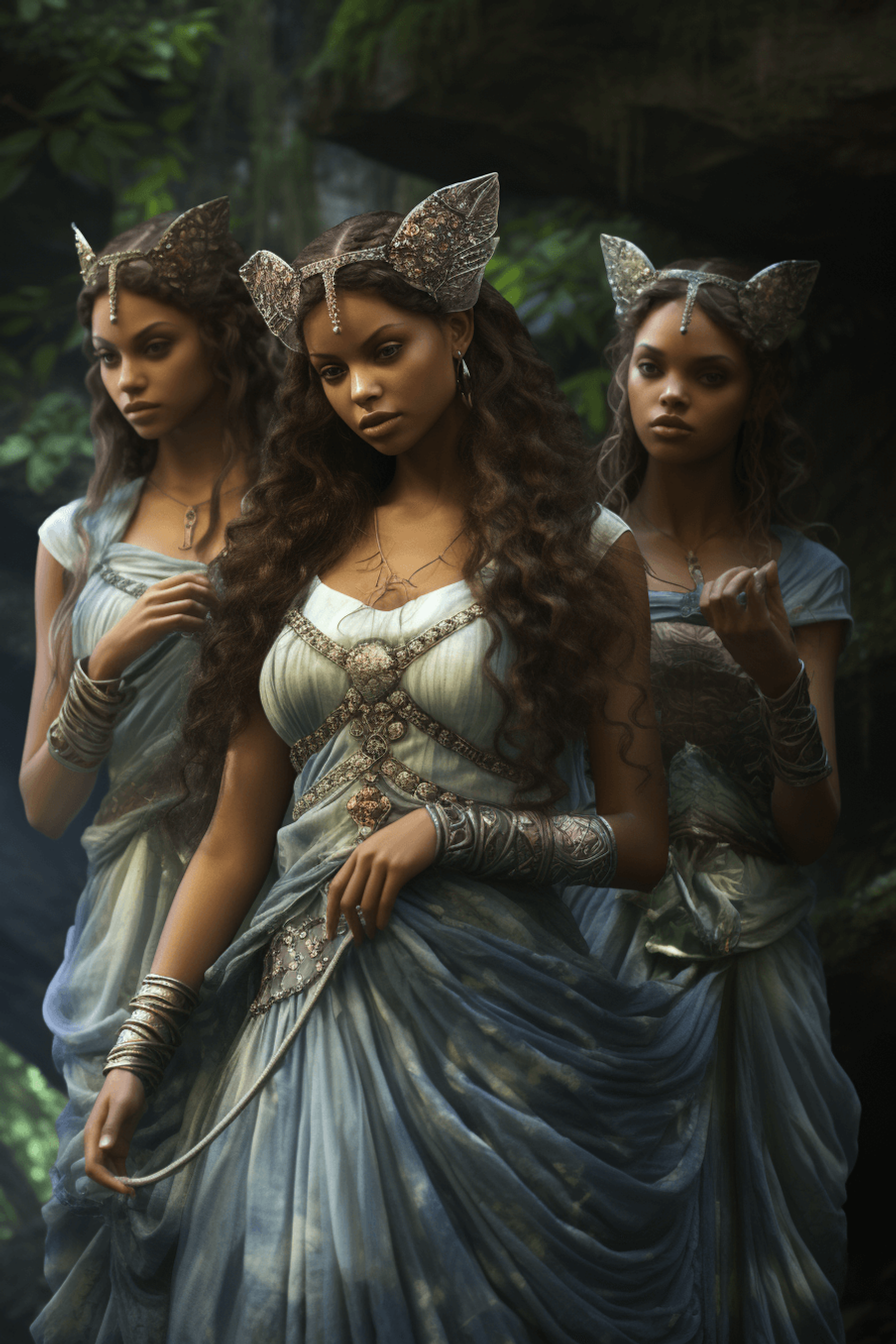
The magical realm of Greek mythology extends far beyond the well-chronicled lives of gods and goddesses. Dancing through forests, inspiring art, and whispering in the winds, the nymphs, muses, and myriad other divine entities have enlivened myths with their grace and presence. These entities, though ethereal, have their own stories to tell, profoundly impacting the myths and legends of ancient Greece.
Residing in the Mediterranean's azure depths, the Nereids and Oceanids were sea nymphs, often aiding sailors, influencing sea-related events, and participating in various oceanic celebrations.
Rooted in the heart of Greek forests, Dryads are tree nymphs, often linked to specific trees which they inhabit and protect. Each whisper of the leaves, each rustle of the branches, speaks of a Dryad's presence.
Across meadows, mountains, and seas, these divine beings paint the world of Greek mythology with intricate strokes, making it richer and more multifaceted with each tale they touch.
The Underworld in Greek mythology isn't merely a place of darkness and despair. It's a complex realm with its own rules, rulers, and residents. Unlike the stereotypical concept of "hell," the Greek Underworld is the final resting place for all souls, offering different experiences based on one's earthly deeds. Let's delve deep into this mysterious realm and meet its key figures.
The mighty Hades, with his dark cloak and stern demeanor, is the principal ruler of the Underworld. Despite his fearsome reputation, Hades is not evil; he is just and fair, ensuring that the dead are treated according to their mortal actions.
Persephone, also known as Kore, represents the Underworld's paradox. As Demeter's daughter, she embodies spring's vitality, but as Hades' queen, she becomes the embodiment of winter's decay. Her annual descent and return from the Underworld mark the seasons, and her story has resonated across generations, highlighting themes of rebirth and duality.
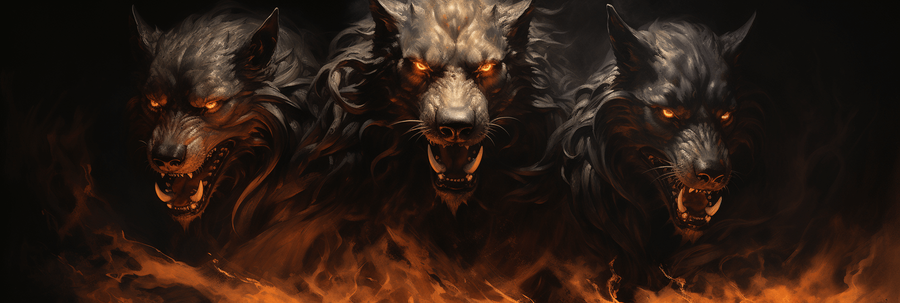
Ever vigilant at the gates of the Underworld, the fierce Cerberus ensures that no soul escapes. With three menacing heads, this beast is not just a deterrent for the departed, but also a symbol of Hades' formidable might.
"The Underworld, though shrouded in darkness, teaches us about balance, justice, and the inexorable cycle of life and death." – Ancient Greek Scholar
While the Underworld may be cloaked in mystery and myth, its inhabitants and their stories give us profound insights into ancient Greek beliefs about life, death, and what comes after.
The tapestry of Greek mythology is not only woven with gods and goddesses but also with the brave and sometimes tragic figures of demigods and heroes. Born from the union of gods and mortals, these individuals often possess exceptional talents, face insurmountable challenges, and impact the course of history and myth in profound ways.
Arguably the most renowned of all demigods, Heracles (often known as Hercules in Roman mythology) was the son of Zeus and the mortal Alcmene. His life was a tapestry of challenges, most notably the Twelve Labors, which he undertook to atone for a grave mistake. His feats range from slaying the Nemean lion to capturing the Golden Hind and even cleaning the Augean stables in a single day!
Another offspring of Zeus, Perseus is best remembered for his daring quest to behead the Gorgon Medusa. With gifts from the gods, including Hermes' winged sandals and Athena's shield, he surmounted various challenges, eventually founding the city of Mycenae.
| Hero | Divine Parent | Notable Feat |
|---|---|---|
| Achilles | Thetis (a Nereid) | His prowess in the Trojan War |
| Theseus | Poseidon | Defeating the Minotaur |
| Helen | Zeus | Being the face that launched a thousand ships |
Demigods and heroic figures hold a special place in Greek mythology, representing the potential for greatness within us all. Whether by divine intervention or personal determination, they remind us that greatness can often be born from the union of the ordinary and the extraordinary.
The concept of demigods isn't exclusive to Greek mythology. Various cultures around the world have tales of beings born from the union of gods and mortals, each with their unique stories and lessons.
The Greek pantheon was far from a harmonious family gathering. Much like any dynasty, there were squabbles, misunderstandings, and full-blown wars among the gods and goddesses. These conflicts often had repercussions for the mortal realm and became cornerstone tales in Greek mythology.
The Trojan War stands as a testament to the influence of godly disputes on mortal lives. What began as a quarrel between Hera, Athena, and Aphrodite over the title of the "fairest" led to a decade-long war, with Troy as the battleground. The mortal prince Paris was chosen to judge the contest, and each goddess offered him tempting rewards. Seduced by Aphrodite's promise of the most beautiful woman, Helen, Paris triggered a conflict that involved not just men but also gods taking sides.
The eternal struggle between Demeter, the goddess of harvest, and Hades, the god of the underworld, over Persephone is a tale of love, despair, and compromise. When Hades abducted Persephone, Demeter's grief caused the earth to wither. The resulting agreement – Persephone spending part of the year in the underworld and the rest with her mother – gave rise to the changing seasons.
The term "Pandora's box" originates from another godly feud. In revenge for Prometheus's actions, Zeus gave Pandora, the first woman, a box containing all evils. When she opened it, all but hope escaped, causing misery to humanity.
While the stories of feuds among gods provide thrilling tales of might and magic, they also offer deeper insights into human nature, exploring themes of jealousy, pride, love, and sacrifice.
The devotion of the ancient Greeks to their pantheon was profound and intricate. Through a myriad of rituals, sacrifices, festivals, and cult practices, they sought to honor, appease, and communicate with the gods. This section will delve into some of the prominent practices that were deeply entrenched in ancient Greek society.
Throughout ancient Greece, temples stood as the primary places of worship. Not merely religious structures, they were believed to be the actual homes of the gods on Earth. The magnificent Parthenon in Athens, dedicated to Athena, and the Temple of Apollo at Delphi are prime examples of such architectural marvels.
Festivals played an essential role in Greek religious practice. They often marked significant events in the myths or celebrated the gods' birthdays. The Olympian Games, held in honor of Zeus, combined religious dedication with athletic competitions. Similarly, the Dionysia was a grand festival in Athens that celebrated Dionysus, the god of wine, with theatrical performances.
One of the core elements of Greek worship was the act of sacrifice. Animals like bulls, sheep, and goats were commonly offered to appease and thank the gods. These ceremonies were seen as mutual exchanges; the mortals offered gifts, and in return, hoped for the gods' favor and blessings.
While many ancient Greek religious practices focused on communal worship, there were also personal rituals. These included daily prayers, offerings at small home altars, and wearing amulets for protection.
The vibrant tapestry of religious practices in ancient Greece showcases a society deeply connected to its deities, reflecting not just reverence but also an understanding of nature, life, and the universe's mysteries.
The legacy of the ancient Greek gods is vast and has woven itself into the very fabric of Western culture. Their myths, attributes, and stories have shaped numerous facets of art, philosophy, science, and more. Let's journey through the corridors of history and discern how these divine beings have left their indelible mark on the Western world.
The rich tapestry of Greek mythology has been a bottomless well of inspiration for artists throughout the centuries. The epic poems of Homer, the "Iliad" and the "Odyssey," remain foundational texts in world literature, teaching subsequent generations about honor, love, and divine intervention. Moreover, Greek tragedies written by playwrights such as Sophocles and Euripides delve deep into the relationships between gods, mortals, and fate.
"Mythology, in other words, is psychology misread as biography, history, and cosmology." – Joseph Campbell
While the Greeks sought answers from the gods, they also laid the groundwork for systematic thinking in philosophy and science. Figures like Socrates, Plato, and Aristotle, while often challenging mythological explanations, were undoubtedly influenced by the rich mythical culture surrounding them. The constellations, named after gods and legendary creatures, highlight the merging of mythology with early astronomical observations.
From everyday expressions to complex concepts in academia, the Greek gods' legacy endures. Their stories, once recited around ancient campfires, continue to be retold in classrooms, theaters, and homes, underscoring the timeless appeal of these mighty and flawed beings.
The 12 Olympian gods are Zeus, Hera, Poseidon, Demeter, Athena, Apollo, Artemis, Ares, Aphrodite, Hephaestus, Hermes, and Dionysus. Hestia is sometimes counted among them as well, since she originally held an Olympian seat before ceding it to Dionysus. Together they formed the ruling council of deities on Mount Olympus.
Each Olympian governed a distinct domain: Zeus ruled the sky and justice, Hera oversaw marriage, Poseidon commanded the sea, and Demeter controlled the harvest. Athena represented wisdom and strategy, Apollo governed music and prophecy, Artemis the hunt, Ares war, Aphrodite love and beauty, Hephaestus the forge, Hermes travel and messages, and Dionysus wine and revelry.
Greek mythology originated from ancient oral traditions, combined with the stories of early civilizations that interacted with the Greeks. Over time, these stories evolved and were influenced by historical events, other cultures, and the need to explain natural phenomena. Many of these tales were subsequently written down, especially during the Classical period of Greece, in works by poets like Homer and Hesiod.
The ancient Greeks had a pantheon of deities to represent and explain the various facets of life and the natural world. Each god or goddess was often linked to a particular aspect, emotion, or phenomenon. By attributing different domains to different deities, they could provide specific rituals, stories, and explanations for the vast complexity of their world.
In Greek mythology, the Titans were the pre-Olympian gods, the children of the primordial deities Uranus (Sky) and Gaia (Earth). They ruled during the Golden Age and were later overthrown by the Olympian gods, led by Zeus, in a conflict known as the Titanomachy. The Olympian gods, who resided on Mount Olympus, were the principal deities of the Greek pantheon and played more active roles in human affairs compared to the Titans.
The Olympian gods came to power after a ten-year-long battle known as the Titanomachy. Zeus and his siblings, once they reached maturity, challenged the Titans for supremacy. With the help of allies like the Cyclopes and the Hecatoncheires, the Olympians emerged victorious. After their victory, Zeus and his brothers drew lots to divide the realms – Zeus got the sky, Poseidon the sea, and Hades the Underworld. The Earth was considered common to all.
While there were common practices and rituals in the worship of gods across ancient Greece, regional variations existed. Different city-states had their own patron deities, festivals, and rituals. Temples dedicated to the same god could vary in architecture and practices based on location. Additionally, some local deities were specific to certain areas and might not have been worshipped elsewhere in Greece.
Most, but not all, Greek gods had a Roman counterpart. The Romans were influenced by Greek mythology and incorporated many of the Greek deities into their own pantheon, often with changed names and sometimes with slightly altered attributes. For instance, the Greek god Zeus became the Roman god Jupiter, and Athena became Minerva. However, not every deity had a direct match between the two cultures, and the Romans also had their indigenous gods.
Demigods, also known as "half-gods," are typically the offspring of a god and a mortal. They possess mortal characteristics but also share some divine attributes due to their godly lineage. Famous demigods include Hercules (Heracles in Greek), the son of Zeus and a mortal woman named Alcmene, and Perseus, the son of Zeus and Danaë. These figures often faced great challenges and adventures in their lifetimes.
Nymphs were minor goddesses or spirits associated with nature in Greek mythology. They personified natural elements like forests, rivers, mountains, and meadows. Nymphs were believed to protect and nurture the environment they were connected to. Their presence in myths often added depth to stories, highlighting the close relationship the ancient Greeks believed they shared with the natural world around them.
Oracles were highly revered and were considered to be the mouthpieces of the gods in ancient Greece. They played a vital role in various aspects of Greek life, from personal decisions to political strategies. The most famous oracle was the Oracle of Delphi, dedicated to the god Apollo. People from all over would make pilgrimages to seek guidance and prophecies from these sacred places.
Modern Greeks, by and large, do not believe in the ancient gods and myths in a religious sense. Today, Greece is predominantly Christian, specifically Eastern Orthodox. However, the stories, symbols, and characters from ancient Greek mythology continue to play a significant cultural and symbolic role. They are a source of national pride, appear in educational curricula, and influence modern arts and literature.
Discover Helios, the Greek Titan sun god who drove his blazing chariot across the sky—his myths, symbols, and spiritual meaning ex…
Discover Gaia, the primordial Greek goddess of Earth—her origins, myths, symbolism, dream meaning, and how to honor her energy tod…
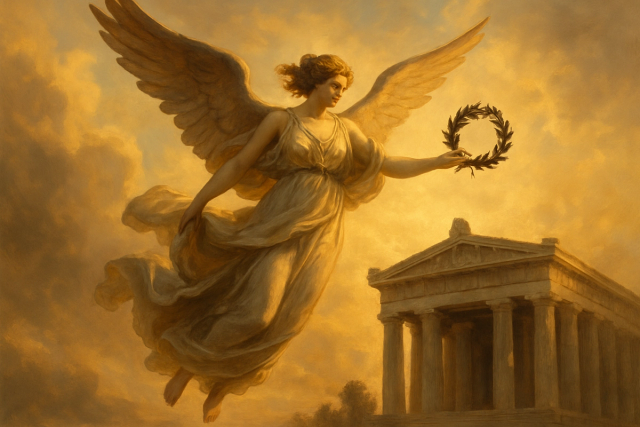
Discover Nike, the Greek goddess of victory — her myths, symbols, Roman parallel Victoria, and what she means in dreams and daily …