 Know
Know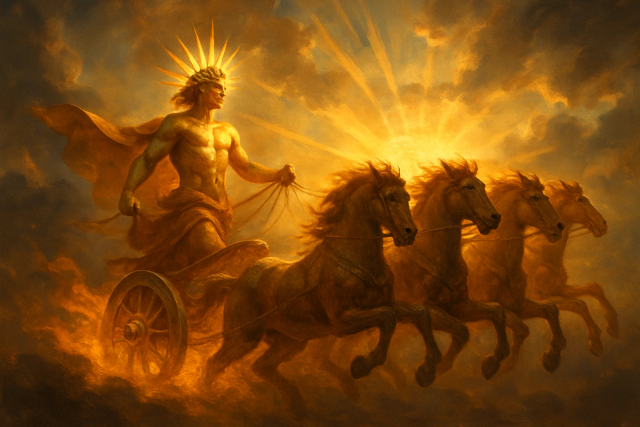
Greek Mythology
Helios: The Titan God of the Sun in Greek Myth
Discover Helios, the Greek Titan sun god who drove his blazing chariot across the sky—his myths, symbols, and spiritual meaning ex…

In the vast pantheon of Greek gods and goddesses, few have origins as enchanting and mysterious as Aphrodite. Often hailed as the embodiment of beauty, passion, and desire, her genesis story is a testament to her unparalleled allure and power.
According to ancient lore, Aphrodite was born from the sea foam that formed when Cronus, the Titan, severed the genitals of his father, Uranus, and cast them into the sea. This act, both violent and symbolic, gave rise to a deity who would come to represent the softer aspects of human existence: love, beauty, and procreation.
| Key Events | Description |
|---|---|
| Birth from Sea Foam | Aphrodite emerges fully formed from the sea, often depicted on a shell, symbolizing her birth from the ocean’s embrace. |
| Adoption into Olympus | Despite her unconventional birth, Aphrodite was welcomed into the ranks of the Olympian gods, taking her place as the goddess of love and beauty. |
| Marriage to Hephaestus | To quell the disputes among gods who desired her, Zeus married Aphrodite to Hephaestus, the god of fire and forge. However, her heart often wandered, leading to many mythological tales of passion and intrigue. |
Aphrodite’s ascent to Olympus was not without its challenges. Her unparalleled beauty often became a source of envy and competition among the gods. Yet, with her charm and diplomacy, she navigated the intricate dynamics of Olympus, earning respect and adoration. Her influence was not limited to divine affairs; she played a pivotal role in the lives of mortals, blessing them with love and, at times, testing their resolve with challenges.
In essence, Aphrodite’s journey from the turbulent sea to the majestic heights of Olympus mirrors the human quest for love: tumultuous, unpredictable, but ultimately rewarding.
Aphrodite, the Greek goddess of love and beauty, emerged from sea foam, captivating all with her unparalleled charm. Beyond romance, she influenced myths, wars, and destinies, leaving an indelible mark on art and culture throughout the ages.
The Trojan War, one of the most iconic events in Greek mythology, was not merely a clash of warriors and kingdoms. At its heart, it was a tale of divine interventions, passions, and the far-reaching consequences of choices. Among the Olympian gods who played pivotal roles in this epic saga, Aphrodite’s influence was both profound and transformative.
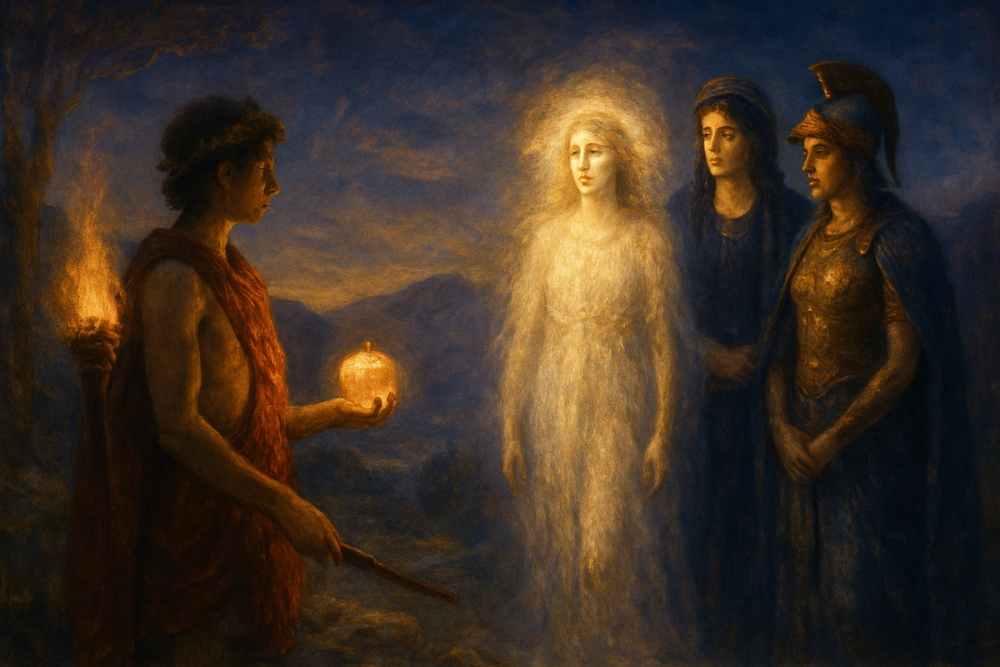
It all began with a seemingly innocuous event: the wedding of Peleus and Thetis. All gods were invited, save for Eris, the goddess of discord. In retaliation, Eris threw a golden apple inscribed with the words “To the Fairest” into the midst of the celebration. This act ignited a fierce competition among three goddesses: Hera, Athena, and Aphrodite.
Aphrodite’s involvement in the Trojan War underscores her multifaceted nature. While primarily revered as the goddess of love and beauty, she was no stranger to the intrigues and machinations of war. Her actions, driven by passion and allegiance, had ramifications that echoed through the annals of mythology.
Aphrodite, the radiant goddess of love and beauty, is often depicted with an entourage of cherubs and doves, symbolizing the softer aspects of love. However, her romantic liaisons, both divine and mortal, are tales of passion, intrigue, and sometimes, heartbreak. These tales not only highlight her allure but also provide insights into the complexities of love in the ancient world.

Among her many relationships, a few stand out, casting a light on the multifaceted nature of love:
Aphrodite’s romantic escapades serve as a reminder that love, in all its forms, is a force to be reckoned with. Whether it’s the fiery passion she shared with Ares or the tender affection for Adonis, Aphrodite’s tales are timeless narratives of love’s triumphs and tribulations.
Aphrodite, with her ethereal beauty and captivating charm, held sway not just over the gods, but also over the hearts and minds of mortals. Her influence on human affairs was profound, often altering the course of lives and entire kingdoms. But like the dual nature of love itself, Aphrodite’s interventions could be both a blessing and a curse.

Let’s delve into some of the most iconic tales that showcase her benevolence and wrath:
Whether bestowing blessings of unparalleled love or exacting revenge with devastating curses, Aphrodite’s role in the lives of mortals was undeniable. Her tales serve as timeless lessons on the power of love, the dangers of vanity, and the inescapable influence of the divine on human affairs.
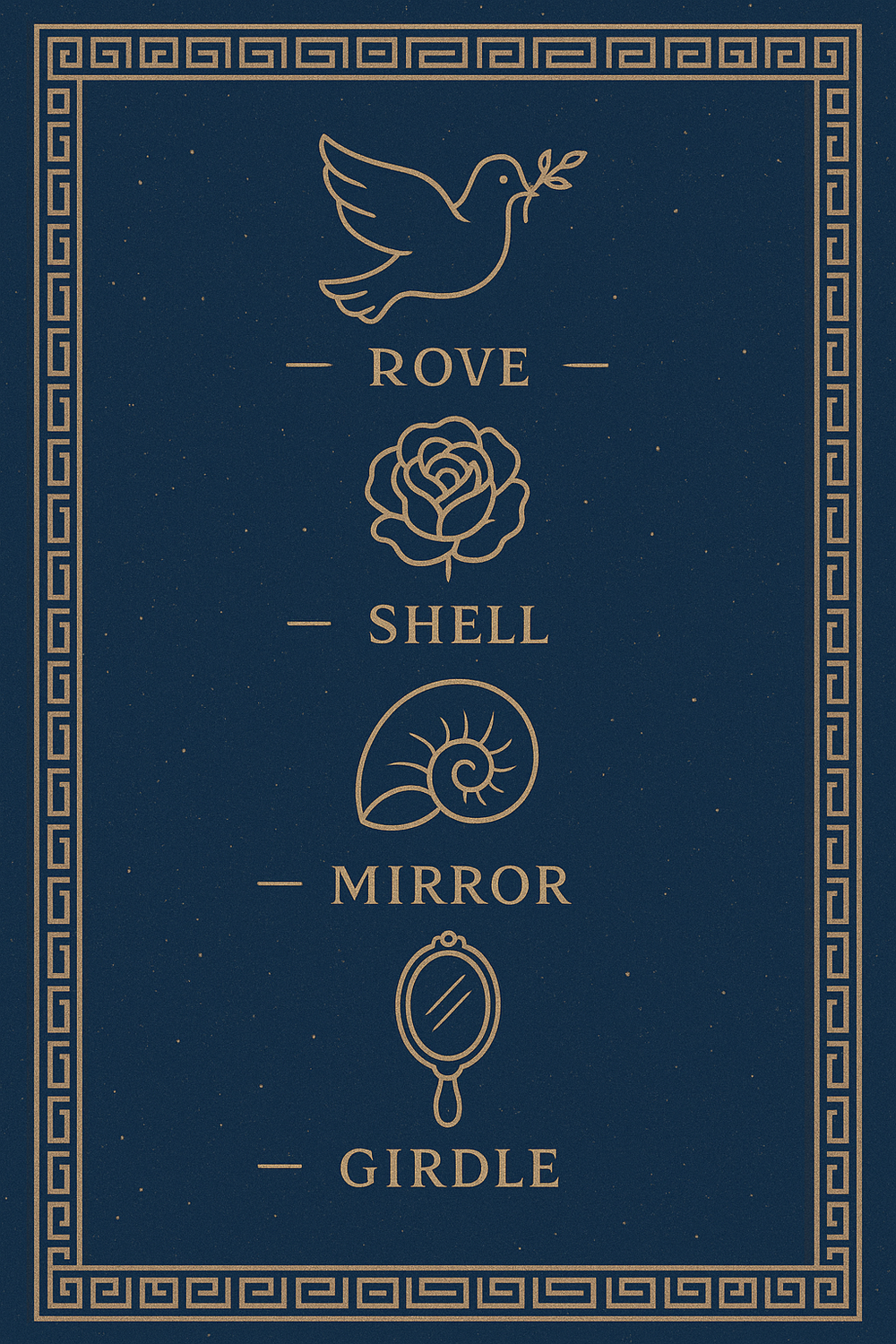
Aphrodite, the radiant goddess of love and beauty, is often depicted with a myriad of symbols that encapsulate her essence and power. These icons, deeply rooted in ancient Greek culture and mythology, provide a window into understanding the multifaceted nature of this divine figure. Let’s embark on a journey to decode some of the most prominent symbols associated with Aphrodite.
| Symbol | Meaning |
|---|---|
| Dove | Representing purity, love, and harmony, the dove is one of the most recognized symbols of Aphrodite. It embodies the gentler, nurturing aspects of love. |
| Rose | The rose, with its alluring fragrance and delicate petals, stands for beauty, passion, and desire. It’s said that the first rose bloomed when Aphrodite’s tears met the earth. |
| Shell | Often depicted in art as the vessel that carried Aphrodite from the sea to the shores of Cyprus, the shell symbolizes the goddess’s divine birth and her deep connection to the waters. |
| Mirror | A reflection of beauty and self-awareness, the mirror is a testament to Aphrodite’s allure and her dominion over physical attraction. |
| Girdle | This magical belt, often mentioned in myths, had the power to inspire desire. It underscores Aphrodite’s role as the goddess who kindles passion and attraction. |
Beyond these symbols, Aphrodite is also associated with sparrows, swans, and myrtles, each adding a unique dimension to her vast and varied persona. By understanding these symbols, one gains a deeper appreciation of Aphrodite’s influence in ancient Greek culture and her enduring legacy in the annals of mythology.
Among the many tales that revolve around Aphrodite, the enchanting narrative of Aphrodite and Psyche stands out as a testament to the complexities of love. This story, rich in allegory and profound lessons, delves deep into the human psyche, exploring themes of trust, betrayal, and redemption.
Psyche, a mortal of unparalleled beauty, inadvertently drew the ire of Aphrodite. The goddess, envious of a mortal receiving adulations that she believed were rightfully hers, plotted to have Psyche fall in love with the most unworthy of creatures. To achieve this, she enlisted the help of her son, Eros, the god of love. However, in a twist of fate, Eros himself fell deeply in love with Psyche upon seeing her.
The tale of Aphrodite and Psyche is more than just a love story. It’s a narrative that underscores the transformative power of love, the challenges it often faces, and the lengths to which one might go to preserve it. Through this tale, we’re reminded that true love, even when faced with insurmountable odds, can triumph, and that sometimes, the journey of love is as significant as its destination.
Aphrodite, the radiant goddess of love and beauty, held a significant place in the hearts and minds of the ancient Greeks. Her influence was not just limited to myths and legends; it extended to daily practices, rituals, and architectural marvels dedicated in her honor. Let’s embark on a journey to understand the reverence she commanded and the various ways the ancients paid homage to her.

Across the vast landscapes of ancient Greece and its territories, numerous temples were erected in Aphrodite’s honor. These structures, often located in places of natural beauty, were a testament to her association with love, beauty, and fertility.
| Location | Significance |
|---|---|
| Paphos, Cyprus | Believed to be the birthplace of Aphrodite, this temple was one of the most celebrated pilgrimage sites in the ancient world. |
| Aphrodisias, Turkey | A city named after the goddess, it housed a grand temple and was a center for the arts, reflecting Aphrodite’s influence on beauty and creativity. |
| Corinth, Greece | Home to a significant temple of Aphrodite, it was also a hub for her sacred priestesses, known for their unique rituals. |
Worship of Aphrodite was not just confined to her temples. Various festivals and rituals celebrated her essence and sought her blessings. The Adonia, for instance, was a festival where women would plant “gardens of Adonis”, and these fast-growing plants symbolized the transient nature of life and beauty. Another significant celebration was the Aphrodisia, a festival where her followers would purify themselves with sea water, offer sacrifices, and celebrate with dances and songs.
Aphrodite’s influence was profound, shaping not just personal beliefs but also the cultural and architectural landscape of the regions that worshipped her. Through these temples and rituals, we get a glimpse into the deep admiration and reverence the ancient world held for the goddess of love and beauty.
While Aphrodite reigns supreme in Greek mythology as the embodiment of love and beauty, she is not alone in her dominion. Across the tapestry of world mythologies, various deities echo her sentiments, each bringing a unique flavor and cultural nuance to the universal theme of love. Let’s journey across continents and epochs to meet some of these divine counterparts and understand the universality of love’s representation.
| Deity | Culture | Attributes |
|---|---|---|
| Venus | Roman | Often equated with Aphrodite, Venus was the Roman goddess of love, beauty, and fertility, celebrated for her passionate nature and her role in various myths. |
| Ishtar | Mesopotamian | A complex deity who ruled over love, beauty, sex, and war. She was known for her dual nature, capable of bestowing love and inciting conflict. |
| Parvati | Hindu | While not exclusively a goddess of love, Parvati epitomizes devotion and love, especially in her role as the consort of Shiva and mother of the universe. |
| Oshun | Yoruba | A river goddess who is also the deity of love, fertility, and beauty. Oshun is revered for her benevolence, though she can also be temperamental. |
Each of these deities, while resonating with the theme of love, brings forth unique stories, rituals, and lessons. They highlight how different cultures perceive love, beauty, and attraction. Whether it’s the passionate tales of Venus or the nurturing nature of Parvati, these deities underline the fact that love, in all its forms, is a universal force, transcending boundaries and eras.
In drawing these parallels, we not only appreciate the richness of global mythologies but also understand that the essence of love and attraction remains unchanged, regardless of the stories we weave around it.
Aphrodite, the radiant goddess of love and beauty, has been a muse for countless artists throughout history. Her ethereal beauty and captivating tales have inspired a myriad of artworks, ranging from ancient sculptures to Renaissance masterpieces. The allure of Aphrodite transcends time, making her one of the most frequently depicted deities in the annals of art history.
In ancient Greece, Aphrodite was often sculpted in marble, capturing her grace and elegance. One of the most iconic representations is the “Venus de Milo”, a statue believed to depict Aphrodite, celebrated for its exquisite craftsmanship and the goddess’s serene demeanor.
The Renaissance era saw a resurgence in the interest in Greek mythology. Artists like Botticelli brought Aphrodite to life on canvas. His masterpiece, “The Birth of Venus”, portrays the goddess emerging from the sea, symbolizing her divine birth. The painting is renowned for its delicate details, harmonious colors, and the ethereal beauty of Aphrodite.
Whether carved in stone or painted on canvas, Aphrodite’s depictions are a testament to her enduring influence in the world of art. Each artwork, while rooted in its era, speaks a universal language of love, beauty, and allure, attributes that Aphrodite has epitomized for millennia.
When one thinks of Aphrodite, images of romance, beauty, and passion often come to mind. However, delving deeper into the annals of mythology reveals a lesser-known facet of the goddess: her influence on warfare. While not traditionally associated with battles like Ares or Athena, Aphrodite’s role in various conflicts is both intriguing and unexpected.
Love, as represented by Aphrodite, is a potent force. It can inspire soldiers, sway the outcomes of battles, and even lead to conflicts. Aphrodite’s influence is not through the might of arms but through the heart’s passions. Her ability to incite love or jealousy made her a formidable player in the theater of war.
Perhaps the most prominent display of Aphrodite’s influence on warfare is her involvement in the Trojan War. It was her promise to Paris of the love of the most beautiful mortal woman, Helen, that set the stage for this legendary conflict. While the war’s roots were complex, Aphrodite’s role in kindling the passions that led to it cannot be understated.
Aphrodite’s influence on warfare serves as a reminder of love’s dual nature. It can be both a source of unity and division, peace and conflict. By understanding this aspect of the goddess, we gain a more holistic view of her character, transcending the conventional and embracing the multifaceted nature of both love and the deity who personifies it.
Aphrodite was born from the sea foam and emerged as a fully grown, beautiful woman. Her unparalleled beauty and charm made her instantly recognized as the goddess of beauty, love, and desire in Greek mythology. Her origins and the admiration she received from other gods and mortals solidified her status as the epitome of beauty.
Aphrodite’s very essence is intertwined with love and desire. She has the power to incite love and passion in both gods and mortals. Numerous myths and legends depict her influencing romantic relationships, making her the central deity associated with love in Greek mythology.
Yes, Aphrodite is often considered the embodiment of love and beauty in Greek mythology. Her symbols, such as the dove, rose, and mirror, further emphasize her association with these concepts.
Aphrodite is female and is often referred to as the goddess of love and beauty in Greek mythology.
In various artistic representations and descriptions, Aphrodite is often depicted with bright, sparkling blue eyes, symbolizing the vastness and beauty of the sea from which she was born.
Aphrodite is traditionally depicted with long, golden hair, representing her radiant beauty and allure.
Aphrodite, being the goddess of love and beauty, occasionally displayed jealousy towards other figures who were deemed beautiful or received attention, such as the mortal Psyche. Psyche’s beauty was said to rival that of Aphrodite, leading to a series of challenges set by the goddess for the mortal.
Aphrodite had many lovers, both mortal and divine. However, one of her most notable and passionate relationships was with Ares, the god of war. Their union produced several children, including Eros, the god of love.
While Aphrodite was revered for her beauty, she did have rivals in various myths. Hera and Athena, in particular, were her competitors during the Judgment of Paris, where Paris had to choose the fairest among the three goddesses.
Mortals honored Aphrodite through various rituals, offerings, and festivals. Temples dedicated to her were places of worship, and many sought her blessings for love, beauty, and fertility.
Dive briefly into the realm of Greek gods and goddesses. Discover their fascinating tales by exploring the links below.
Discover Helios, the Greek Titan sun god who drove his blazing chariot across the sky—his myths, symbols, and spiritual meaning ex…
Discover Gaia, the primordial Greek goddess of Earth—her origins, myths, symbolism, dream meaning, and how to honor her energy tod…
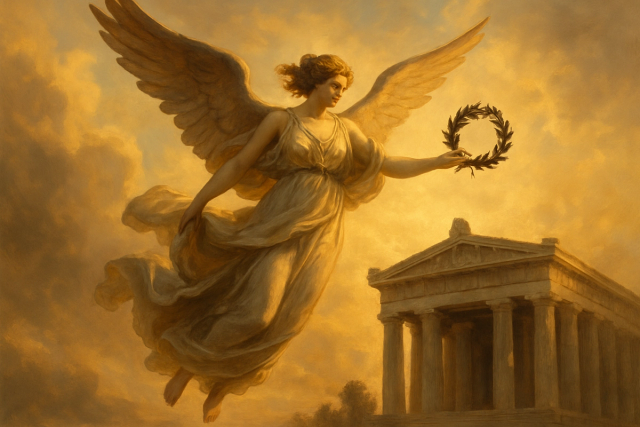
Discover Nike, the Greek goddess of victory — her myths, symbols, Roman parallel Victoria, and what she means in dreams and daily …